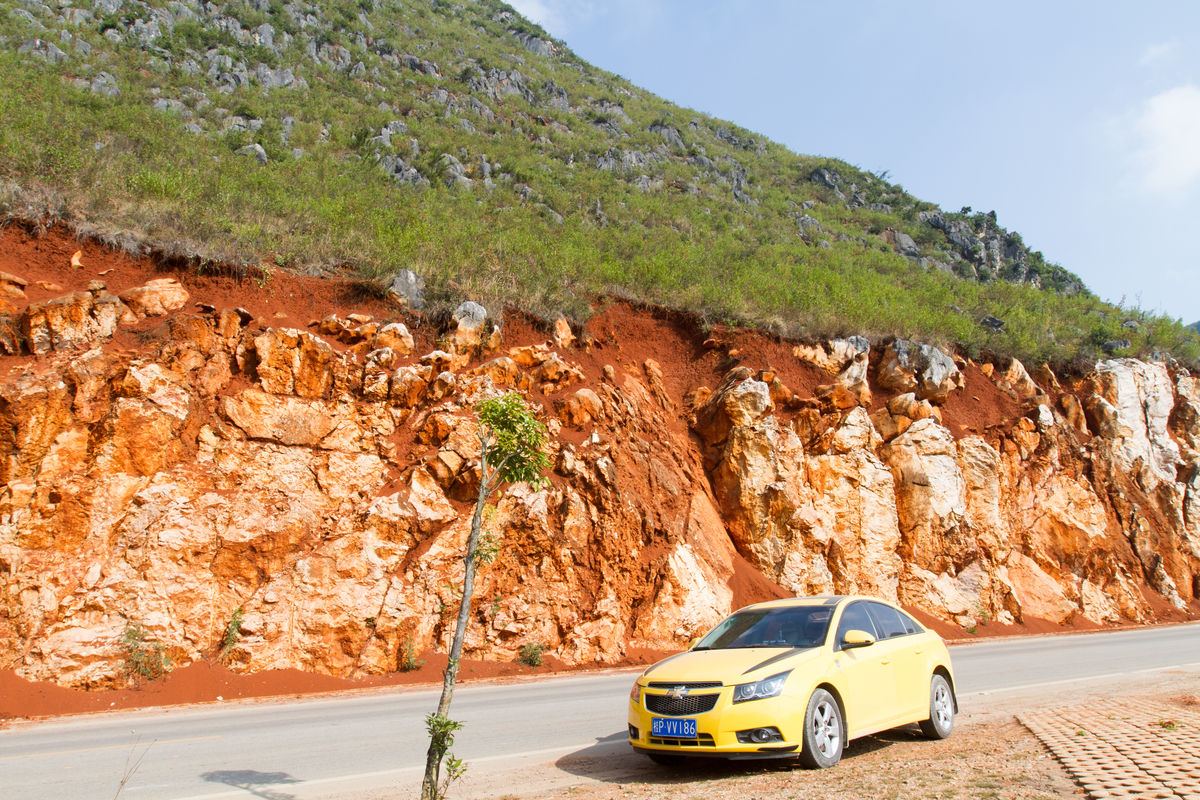
Why I planned my whole trip around highway pullouts
Last April, I pulled a petrol VW Lavida into a gravel pullout halfway between Dali and Lijiang, rolled down the window, and realised I’d spent the entire 3-hour drive staring at the road shoulder instead of the views I’d travelled 8,000 km to see. The air smelled of wet pine and rapeseed, the distant Cangshan peaks were still dusted with leftover winter snow, and I’d driven past three perfect photo spots without even slowing down.
This route, when you book Yunnan self-drive rental for foreigners, is one of the most rewarding stretches in southwest China, but it’s easy to miss the best bits if you’re just gunning for your hotel check-in. Over three trips between Dali and Lijiang, I’ve mapped out the quiet, safe pullouts worth stopping for, plus all the practical bits you need to sort out before you turn the key.
Sorting your rental before you hit the road
Let’s get the logistics out of the way first, because there’s nothing worse than fumbling with paperwork when you’re excited to start driving. All the rental options I’ve used for local trips here are petrol-only, no electric vehicles to worry about mid-journey.
If you land directly at the provincial capital, Kunming airport car rental for foreigners works as a great starting point if you’re planning to drive up to Dali first. The Lavida runs RMB 260 a day with unlimited mileage, which is ideal if you’re meandering and don’t want to track every kilometre. If you want a bit more clearance for side trips off the main highway, the Tank 300 is RMB 400 a day, with a 300km daily limit — fine for the Dali to Lijiang stretch, just don’t plan to detour all the way to Shangri-La on a whim without checking the distance.
I picked up a Lavida in Dali on my last trip, opting for Dali Lijiang car rental for foreigners with a one-way drop off in Lijiang, which adds a RMB 1,500 fee. It was worth every yuan to not have to turn around and drive back after three days of exploring.
A quick note on licences: you don’t need to sort out international permits on your own. A China temporary driving licence can be arranged for RMB 1,500 without you having to attend an in-person appointment, which saves a huge amount of faff. The rental deposit for the Lavida is RMB 3,000, refunded 5-7 working days after you return the car, once they’ve checked for any outstanding traffic fines.
Insurance is included — compulsory and commercial cover — but remember: minor scratches under RMB 1,500 come out of your pocket. If damage goes over that threshold, it goes through insurance, and you cover 30% of the cost. Scratches that don’t break the primer are fixed for free, no hidden downtime or depreciation charges to stress about. If the car breaks down from a mechanical fault, that’s covered; if you cause a breakdown, towing is on you. Just don’t forget: if you cancel for personal reasons, the RMB 600 booking deposit is non-refundable.
My pullout photo stop lineup, from Dali north
I’ve driven this stretch six times now, in spring rain, autumn golden hour, and even a freak winter mist that rolled off Erhai Lake. These are the pullouts I never skip, and the ones I tell every friend renting a car here to watch for.
- First stop, 20 minutes out of Dali: Erhai west shore bend — This small, paved pullout sits right where the road curves along the lake’s western edge. On my first trip, I stopped here at 7am, and the lake was so still it looked like polished blue glass, with the Cangshan peaks reflected perfectly on the surface. There’s enough space for 3-4 cars, no tight manoeuvring needed. Don’t linger too long if you’re here mid-morning, as tour buses start pulling up by 9.
- Second stop, halfway to Xizhou: rapeseed field overlook — In late March and early April, the fields below the road are bright yellow, stretching all the way to the lake. The gravel pullout here is slightly raised, so you get a clear view over the hedgerows without blocking the road. I once spent 20 minutes here watching a farmer herd a flock of sheep along the field edge, and got a photo that still hangs on my wall at home.
- Third stop, just before the mountain pass: village terraces — As the road starts to climb away from the lake, there’s a wide, paved pullout with views down to the white-walled villages tucked between terraced fields. Last autumn, I stopped here at golden hour, and the light hit the tile roofs so they glowed amber. It’s a bit windier here than the lakeside stops, so hold onto your hat if it’s breezy.
- Final stop, 40 minutes outside Lijiang: snow peak viewpoint — On clear days, you can see Yulong Snow Mountain peeking over the hills from this large, signed pullout. I pulled up here last April, right as a bank of cloud drifted off the peak, and the whole view lit up. There’s even a small paved area to stand on, so you don’t have to walk on the soft shoulder.
A quick tip: never stop on the main travel lanes, even if the view is stunning. I made that mistake once on my first trip, pulled over on a blind bend to grab a shot of a rainbow, and nearly had a truck round the corner too fast to stop. I don’t recommend it. The pullouts are marked, wide, and set back far enough that you don’t have to worry about zooming traffic.
Practical bits I wish I’d known on my first trip
Navigation is straightforward, but keep an eye on the weather — spring rain can make the gravel pullouts a bit slippery, so take it slow when you turn in. Parking in the pullouts is free, no fees to pay. If you’re travelling in peak season (April to October), get an early start, as the pullouts can fill up by 10am.
When you pick up the car, do a quick walkaround: check for any existing scratches, note them down before you drive off, so you don’t get charged for damage that was already there. On my last trip, I spotted a small, primer-intact scratch on the rear bumper that hadn’t been logged, and pointed it out to the rental agent before I left. No hassle, no arguments.
One last thing: if you’re planning to do this route, don’t rush. The point of booking Yunnan self-drive rental for foreigners isn’t to get from A to B as fast as possible. It’s to pull over when the light is right, breathe in the pine air, and not have to squish onto a bus with 20 other tourists all fighting for the same photo spot.