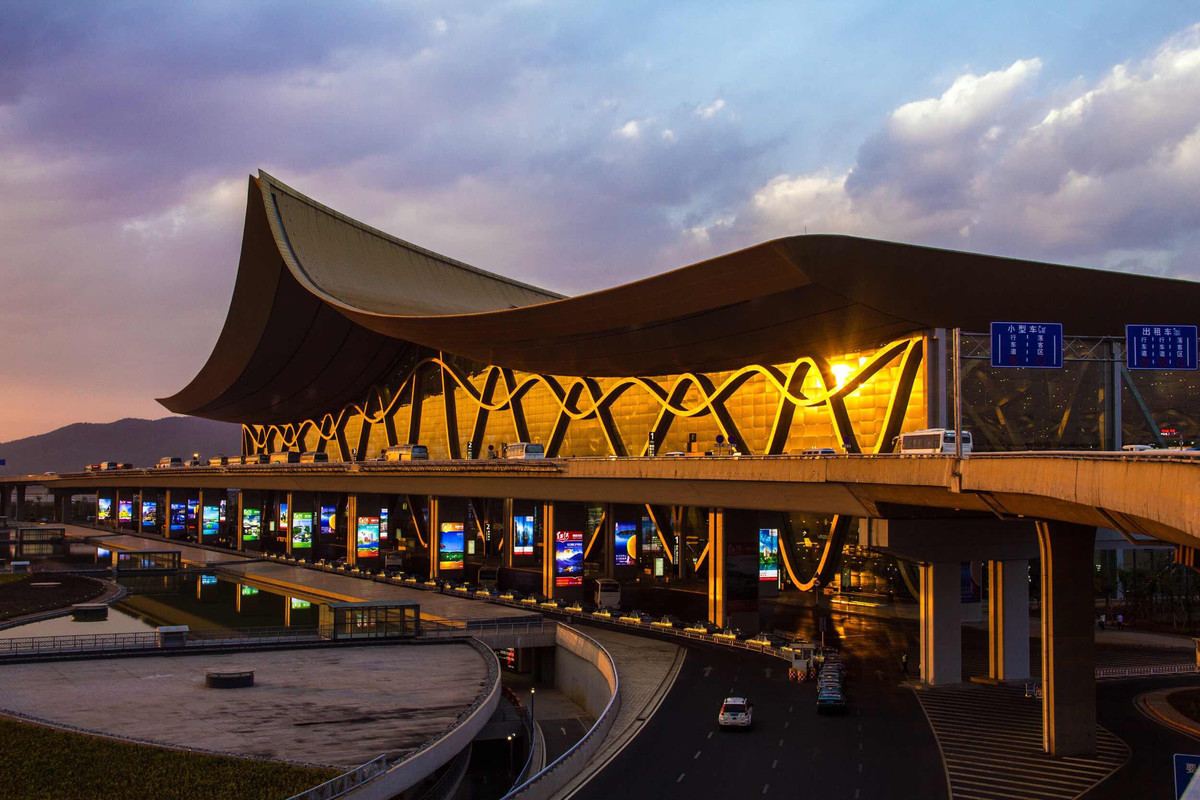
Last October, I picked up a silver VW Lavida at Kunming Changshui Airport at 6:45 a.m., keys in hand, and pulled onto the G56 westbound towards Dali. The sky was just turning pale tangerine over the Western Hills, and 10 minutes later, the low sun hit the windscreen so hard I had to squint through the glare for nearly 40 kilometres before the road curved north enough to escape it. I’d forgotten my polarised sunglasses, and the spare pair I grabbed from the airport convenience store were cheap, plastic, and did almost nothing to cut the reflection bouncing off the pale tarmac. That drive set the tone for a week of Yunnan backroad exploration, and it also taught me a hard lesson: if you’re doing Kunming airport car rental for foreigners and planning to head west at dawn, sun glare isn’t a minor nuisance—it’s a real safety hazard you need to plan for before you even leave the pickup lot.
Yunnan’s high altitude means the sun sits lower in the sky than you might expect at equivalent latitudes in the UK, especially in autumn and winter. On clear, dry mornings, the glare off the wide, smooth highways west of Kunming can turn a 3-hour drive into a tiring, squinting slog if you’re not prepared. I’ve done this trip half a dozen times now, and I still see foreign visitors pull out of the airport rental lot at sunrise, fumbling with visors, blocking the windscreen with random maps, and barely able to see the lane markings 50 metres ahead.
Why early morning westbound drives hit so hard with glare
The stretch of highway between Kunming and Chuxiong runs almost dead west for 120 kilometres, with very few dense tree cover or tall embankments to block the rising sun. Last November, I was driving a Tank 300 I’d picked up for a Shangri-La leg, and at 7:15 a.m. just past the Anning exit, the glare was so intense I had to pull into a service area for 10 minutes until the sun climbed high enough to cut through. The road surface there is a light, pale grey tarmac that reflects sunlight like a mirror, and there’s almost no oncoming traffic to break the visual haze because most truck drivers wait until 8 a.m. to hit the road.
It’s not just the Kunming-Chuxiong stretch, either. If you’re planning Dali Lijiang car rental for foreigners and picking up at Lijiang Airport for an early morning drive west to Shangri-La, the same glare hits on the straight section near the Erhai Lake west shore. I’ve had mornings there where the sun reflects off the lake water and the tarmac at the same time, creating a double glare that makes even the most familiar road feel disorienting.
What to pack and prep before you leave the rental lot
You don’t need fancy gear, but a few small items make a huge difference. First, actual polarised sunglasses. Not the tinted fashion glasses you buy at the airport kiosk—polarised lenses cut the horizontal reflection off tarmac and water, and I keep a cheap spare pair in the glovebox of every rental I take now, just in case I forget mine. Second, make sure the car’s sun visors are clean and can flip all the way down; I once rented a Lavida where the passenger-side visor was stuck halfway, and I had to hold a folded road map up to block the glare for 20 minutes.
Third, set your navigation before you start driving. The last thing you want is to fumble with a phone mount while squinting into the sun. Most rental cars come with navigation set up, but if you’re using your own device, clip it high on the windscreen, just below the rearview mirror, so you don’t have to look down to check directions.
How to choose the right rental car for glare-heavy routes
When you’re looking at Yunnan self-drive rental for foreigners, the vehicle you pick matters more than you’d think for glare management. The standard options here are all petrol, no electric vehicles, so you don’t have to worry about range anxiety on mountain roads.
For most people doing the Kunming-Dali-Lijiang loop, the VW Lavida 1.5L or Jetta 1.4T is the sensible pick. It’s RMB 260 per day, with a 3,000 rental deposit, unlimited mileage, and the windscreen is tall enough that the sun visor blocks a good portion of low-angle sun. The ride is smooth on highways, and the wide side windows mean you can crack the window a little to let cool air in if the glare makes the cabin feel stuffy—something I do on every early morning drive now, because warm, stuffy air makes eye strain way worse.
If you’re planning to detour onto rougher mountain roads towards Shangri-La, the Tank 300 2.0T is the go-to. It’s RMB 400 per day, with a 5,000 deposit, and a 300 km per day limit. The higher ride height means you sit above most of the road reflection, which cuts glare noticeably, but the smaller windscreen means the sun visor doesn’t cover as much of the upper field of view. I’d recommend it for off-road detours, but if you’re sticking to the Kunming-Dali-Lijiang highway loop, the Lavida is the more comfortable pick for long, straight morning drives.
Licensing and rental rules to sort before you travel
You don’t need to show up with any special driving documents to rent here— a China temporary driving licence can be arranged for RMB 1,500 without you having to attend in person. I sorted mine online three weeks before my last trip, and it was waiting for me at the pickup desk when I landed. Don’t leave this to the last minute; if you arrive without it, you won’t be able to drive off the lot.
A quick note on deposits and rules, so you don’t get caught out: the rental deposit is refunded 5-7 working days after you return the car, once a traffic-fine check is complete. Insurance includes compulsory and commercial cover. Minor scratches under RMB 1,500 are paid by you; damage above RMB 1,500 goes through insurance, with you bearing 30%. Scratches that don’t damage the primer are free, and there are no downtime or depreciation charges for paintwork or replaced parts—downtime is waived within 5 days for major damage. If the car breaks down for a mechanical reason, the rental team covers it; towing for a client-caused reason is at your expense. A booking deposit of RMB 600 is non-refundable if you cancel for personal reasons. If you do a one-way rental, like picking up in Kunming and dropping off in Lijiang, there’s a RMB 1,500 one-way return fee.
On-the-road tips for early morning westbound drives
My biggest piece of advice? Don’t rush out of the airport the second you land if you’re on a red-eye flight. I once got off a 12-hour flight from London, picked up the car at 6 a.m., and was so tired and jet-lagged that the glare made me dizzy. I pulled into the first service area 20 minutes out of Kunming, bought a hot coffee, and waited 40 minutes until the sun was high enough that the glare softened. It cut 40 minutes off my planned schedule, but it made the drive safe.
If you hit a really bad glare patch, don’t tailgate the car in front. The dust kicked up by the vehicle ahead mixes with the sunlight to create a hazy, fog-like effect that makes it even harder to see. Drop back 100 metres, and use the road edge line as a guide if the lane markings are washed out by reflection.
And if you’re driving in winter? The sun rises later, but the glare is harsher because the air is drier, with almost no humidity to soften the light. I’ve done a December drive from Kunming to Dali where the glare lasted until 9 a.m., and I was glad I’d packed two pairs of polarised glasses that trip.
At the end of the day, Kunming airport car rental for foreigners is one of the best ways to see Yunnan, but the small, easy-to-miss details—like preparing for that early morning westbound sun—are what turn a good trip into a great one. You don’t need to overcomplicate it. Grab the right glasses, pick the car that fits your route, sort your licence ahead of time, and take it slow when the sun hits the windscreen. The views over Erhai Lake and the Jade Dragon Snow Mountain are worth the squint.