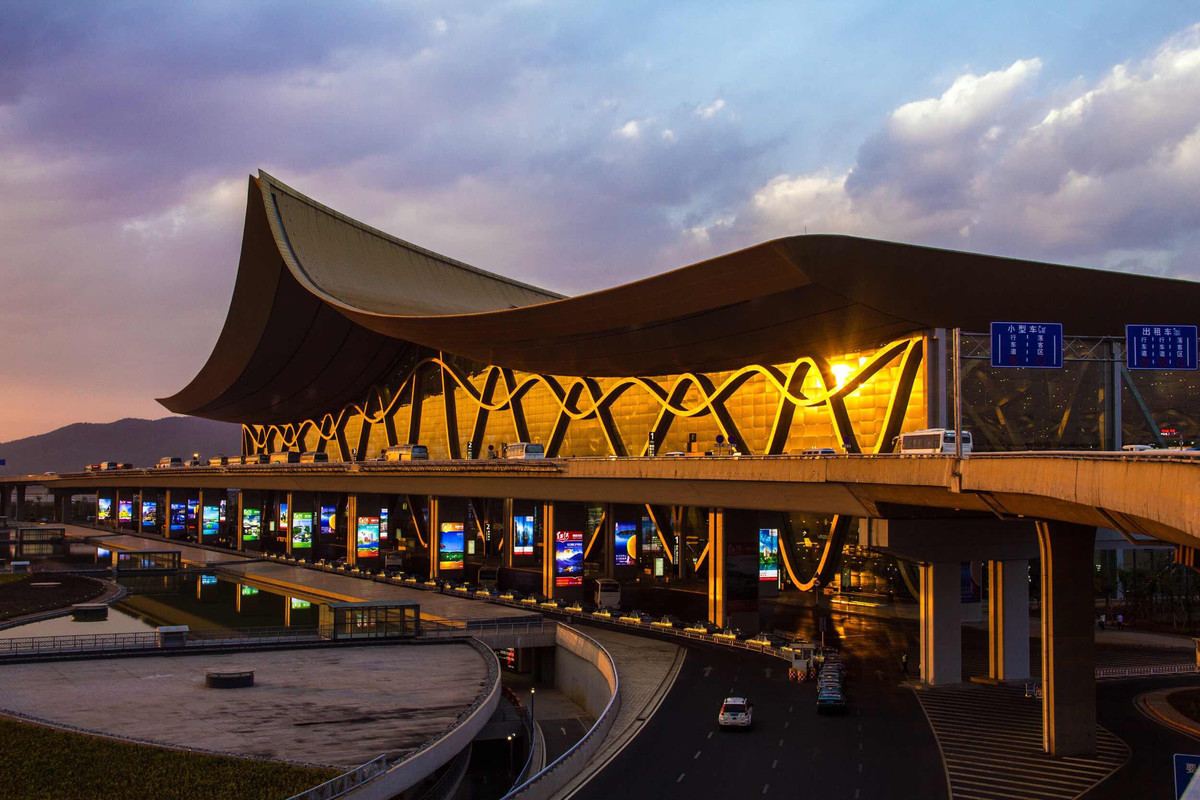
Last October, I pulled into a packed-mud courtyard outside Xizhou, lid off a clay pot of pu-erh, and watched barley smoke curl off the fields. The trip started at Kunming airport, keys in hand, with a route scribbled on a paper map: Xizhou, a slow climb over the mountains, then Shaxi. No tour bus timetables. No haggling over fares for a back road detour. Just a petrol car, a loose itinerary, and time to linger wherever the tea smelled good.
That is the whole point of this stretch of Yunnan for me. The tea houses between Xizhou and Shaxi are not the polished, Instagram-ready spots in Dali old town. They are the ones where the owner pours from a dented thermos, where the view is of a stone bridge or a barley field, and where you can sit for an hour without anyone trying to sell you a scarf.
Before you collect the keys: the paperwork that actually matters
I learned this the hard way on my first trip to Yunnan, when I spent 40 minutes at a rental desk fumbling through permit rules and almost missed my pickup slot. For anyone planning Yunnan self-drive rental for foreigners, the first thing to sort out is the China temporary driving licence. You do not need to attend in person to arrange it; it is handled as part of the booking, for RMB 1,500. I would rather get that sorted before I fly than turn up at the car park and realise I have no legal paperwork to drive.
Skip the last-minute panic. Sort the permit when you lock in your booking.
When you land, Kunming airport car rental for foreigners is the most common starting point for this route. You do not have to drive the whole way from Kunming if you would rather start closer to the tea houses, but picking up at the airport means you can be on the road to Dali before the airport coffee line gets too long. The car will be left-hand drive, petrol-powered, no electric vehicles on offer here. I prefer that on mountain roads — you can refuel at any station, no range anxiety when the clouds roll in over the hills.
Choosing the right car for the Xizhou to Shaxi road
On my last trip, I drove a VW Lavida 1.5L petrol. It cost RMB 260 per day, with a RMB 3,000 rental deposit and unlimited mileage. For the quiet, paved roads between Xizhou and Shaxi, it was perfect. Soft suspension for the potholed village lanes, enough boot space for a folding camp chair and a bag of tea cakes, no fuss. The road climbs gently, with tight switchbacks and long views over the valley, but you do not need a lifted 4x4 for most of it.
The Tank 300 2.0T is there if you want it, at RMB 400 per day with a RMB 5,000 deposit and a 300km per day limit. For my money, that is overkill for this tea house route. You would pay more, and watch the daily mileage cap, for capability you will barely use on paved village roads.
A quick note on one-way trips: if you pick up in Dali and drop off in Lijiang, expect a RMB 1,500 one-way return fee. If you loop back to your pickup point, you skip that cost — which is what I did, turning off the main road for an hour to stop at a hilltop tea house that had the best view of the Cangshan range I have ever seen.
What the deposit and insurance actually cover
I scraped the passenger side of the Lavida on a stone wall outside a village tea house once, misjudging the width of a lane lined with drying corn. It was a stupid, slow mistake. I checked the scratch when I got back to the car: no primer broken, just a faint mark on the paint. No charge. That is one of the small, unwritten rules of this rental setup that saved me a lot of stress.
The official terms are straightforward: your rental deposit is refunded 5-7 working days after you return the car, once a traffic fine check is complete. Insurance includes compulsory and commercial cover. If you get a minor scratch under RMB 1,500, you cover the cost. Damage above RMB 1,500 goes through insurance, and you pay 30% of the excess. Scratches that do not damage the primer are free. There are no downtime or depreciation charges for paintwork or replaced parts, and downtime is waived within 5 days for major damage. If the car breaks down for a mechanical reason, the provider covers it. If you cause a breakdown, towing comes out of your pocket.
One small catch: the RMB 600 booking deposit is non-refundable if you cancel for personal reasons. I always check the weather forecast for the mountain pass between Xizhou and Shaxi before I lock that in — October is usually clear, but a sudden rainstorm can turn the narrow lanes slippery fast.
My slow tea house route, Xizhou to Shaxi
I do not rush this drive. The whole point is the tea.
Start in Xizhou, early. Before the day-trippers arrive, walk the old market street, then drive 10 minutes out to the first quiet tea house — the one with the courtyard full of old tea trees, where the owner serves aged white tea with homemade barley cakes. Sit for 40 minutes. Do not check your phone.
From there, wind up the mountain road. Stop at the pull-offs where you can see the valley spread out below. If you see a small, unmarked sign for a tea house down a side lane, turn in. Half the best spots on this route are not on any map.
When you drop into Shaxi, park near the old town entrance. The tea house right by the old stone bridge serves strong, smoky pu-erh, and you can watch the horses go past on the stone path. I stayed there for two hours on my last trip, talking to a local farmer who told me about the tea terraces up in the hills.
For anyone planning Dali Lijiang car rental for foreigners, this route works because you are not tied to bus schedules. You can leave Shaxi at your own pace, stop for another pot of tea if you want, and drive back to Dali as the sun sets over the fields.
Pro tip: Fill up your petrol tank before you leave Xizhou. The stations up in the hills are smaller, and you do not want to be hunting for fuel when you are stopped at a tea house watching the light fade.
The pickup and return checklist I never skip
When you collect the car, walk around it slowly. Take photos of every existing scratch, the tyres, and the fuel level. I once missed a small dent on the rear bumper at pickup, and had to argue that it was not mine when I returned the car — never again.
Check the navigation works before you leave the car park. Make sure you have a paper map as backup, too — mobile signal drops out on the mountain stretches between Xizhou and Shaxi.
On return, fill the tank to the same level you picked it up at. Do a final walkaround, and make sure you have not left any tea cake crumbs or empty thermos bottles in the boot. It takes 10 minutes, and saves you a lot of hassle later.
This route is not about ticking off tourist spots. It is about driving slow, stopping often, and sitting in quiet courtyards while the tea cools enough to drink. That is what Yunnan self-drive rental for foreigners is for, in the end. Not the car. Not the permits. The tea.