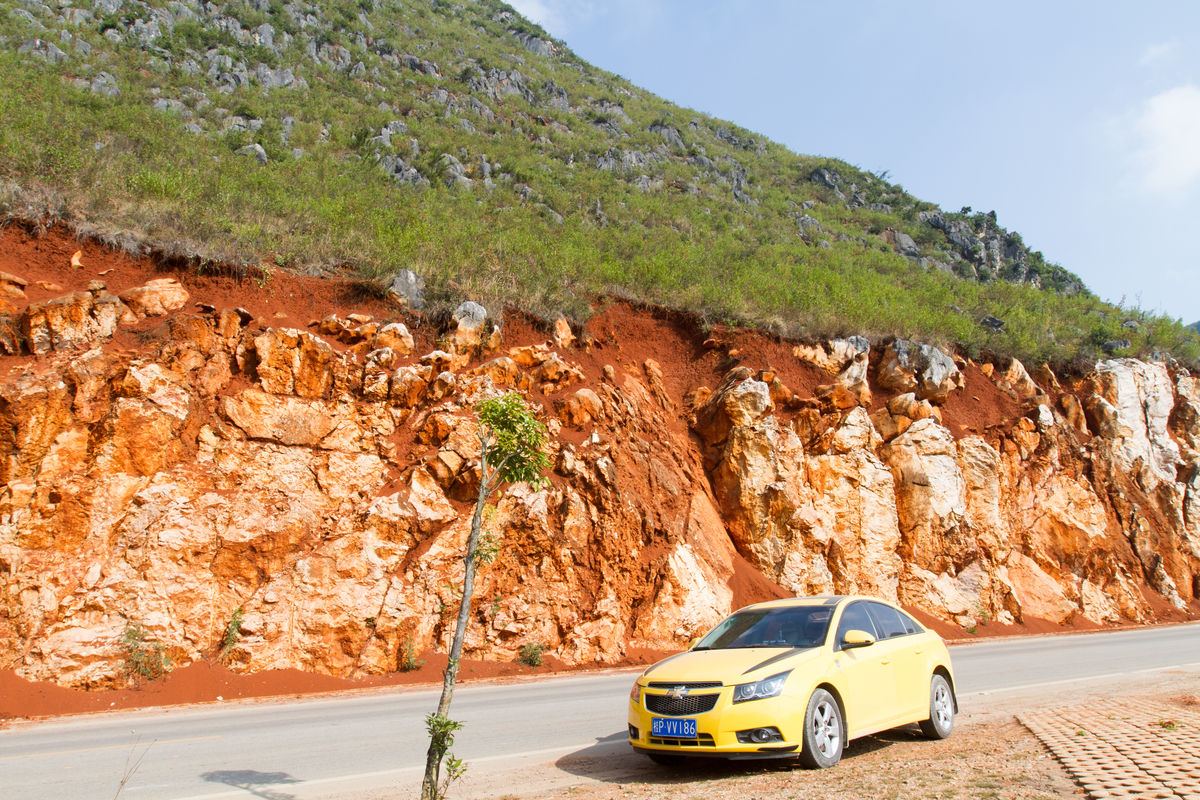
I still remember the sticky, sun-bleached tarmac of the Xizhou Ancient Town car park last October, when I circled the lot three times behind a white VW Lavida, exhaust fumes curling up through the open window, watching a family load bamboo baskets of rush-woven handicrafts into their SUV. Peak season in Yunnan means the old town’s tiny side lanes clog up by 10 a.m., and if you’re driving a rental, the last thing you want is to circle for an hour while the light on the rice paddies fades. This is the guide I wish I’d had before I booked my trip.
Why Xizhou parking needs extra planning for self-drive visitors
Xizhou is not like Dali Old Town, which has sprawling multi-storey carparks just off the main ring road. It’s a tight knot of Bai courtyard homes, narrow flagstone lanes, and farm tracks that turn to mud when the late afternoon rain rolls in off Cangshan Mountain. When I first visited in 2023, I made the mistake of following my navigation straight for the town centre, only to be waved down by a local security guard who tapped his temple and pointed up the road: “Tourist cars don’t come in here after 9.30.”
That’s the thing most guidebooks skip. Peak season—roughly mid-September to mid-November, when the rapeseed fields are still green and the sky is that sharp, unblemished Yunnan blue—brings thousands of day-trippers from Dali and Lijiang. If you’re using Yunnan self-drive rental for foreigners to string together stops across the province, you can’t waste half your afternoon hunting for a spot.
My go-to free, secure parking spots near Xizhou
After three separate trips to the area, I’ve settled on two spots that never let me down, both free to use and monitored by local village security staff. The first is the open-air lot right by the Xizhou morning market, a five-minute walk from the main ancient town gate. It’s packed by 10 a.m. on weekends, but if you arrive before 8.30, you’ll get a shaded spot under the old banyan tree, no fee attached. I left a pair of hiking boots in the back of my car there last spring, and they were exactly where I left them when I returned at dusk.
The second spot is the small paved lot by the Xizhou tie-dye workshop cluster, a 10-minute walk west of the town centre. It’s less popular with tour groups, because most coaches drop visitors right at the main gate. Last November, I pulled up there at 11 a.m. on a Saturday, and there were still four empty spots. It’s lit up at night, too, so if you stay for a Bai family dinner at a courtyard restaurant, you won’t be walking back to a dark, unlit lot.
I don’t recommend the tiny lane-side spots right on the edge of the old town. I tried parking there once, and came back to find a narrow scratch along the passenger door from a passing delivery tricycle. That’s the kind of minor damage you’ll be liable for, anyway.
Practical tips for Dali Lijiang car rental for foreigners around Xizhou
When you’re sorting out Dali Lijiang car rental for foreigners, you don’t need a big 4WD to reach Xizhou. The road from Dali’s airport to Xizhou is smooth, two-lane tarmac the whole way, no rough gravel stretches. I’ve driven the route in both a Jetta 1.4T and a Tank 300, and the smaller hatchback is far easier to manoeuvre around the narrow village lanes on the approach to the carparks.
If you’re flying into Kunming first, Kunming airport car rental for foreigners is a common starting point for longer loops that take in Dali, Lijiang and Shangri-La. Just remember: if you pick up your car in Kunming and drop it off in Lijiang, there’s a 1,500 RMB one-way return fee to factor into your budget. I did that loop last autumn, and the 600 km drive from Kunming to Dali is broken up nicely by stops in Chuxiong, so it never feels like a slog.
You don’t need to worry about sorting a driving permit on your own, either. A China temporary driving licence can be arranged for 1,500 RMB without you having to attend in person, which takes a huge weight off the pre-trip planning. The rental rates are straightforward, too: the VW Lavida 1.5L or Jetta 1.4T petrol cars run to 260 RMB a day, with a 3,000 RMB rental deposit and unlimited mileage. The Tank 300 2.0T is 400 RMB a day, with a 5,000 RMB deposit and a 300 km per day limit. For trips centred on Xizhou and the immediate Dali area, the smaller petrol car makes far more financial sense.
Parking rules I learned the hard way
Last year, I watched a fellow traveller try to squeeze their rental car into a spot right next to the town’s ancient archway, only to get a ticket from the local traffic warden. The warden explained, in slow, clear Mandarin, that the 100-metre stretch around the arch is strictly no parking, even for a minute while you jump out for a photo. I don’t speak much Mandarin, but even I caught the sharp tone of the warning.
A few quick, honest notes to save you the same hassle:
- Don’t try to drive into the old town’s core lanes. They’re barely wide enough for a bicycle, let alone a rental car, and you’ll get stuck holding up a line of local farmers on their way to the fields.
- Keep all your rental paperwork in the glove box. I’ve been stopped twice for a routine check on the main road out of Xizhou, and the traffic officers just wanted a quick glance at the temporary licence and rental agreement.
- Remember that minor scratches under 1,500 RMB are paid by you, while damage above that goes through the included insurance, with you bearing 30% of the cost. Scratches that don’t damage the primer are free, and there are no downtime or depreciation charges for paintwork or replaced parts.
Don’t overcomplicate it. Xizhou is a small, welcoming spot, and the local security staff are used to seeing foreign self-drive visitors. If you pull up and look confused, someone will always point you toward the nearest free lot. The rental deposit is refunded 5-7 working days after you return the car, once a traffic-fine check is complete, so you don’t have to worry about hidden charges popping up weeks later.
Skip the paid private lots right by the town entrance. I’ve paid the 20 RMB fee once, and the spot was no closer, no more secure, than the free market lot I use now. Save that money for a bowl of hot rice noodles at the morning market, and park where the locals park.