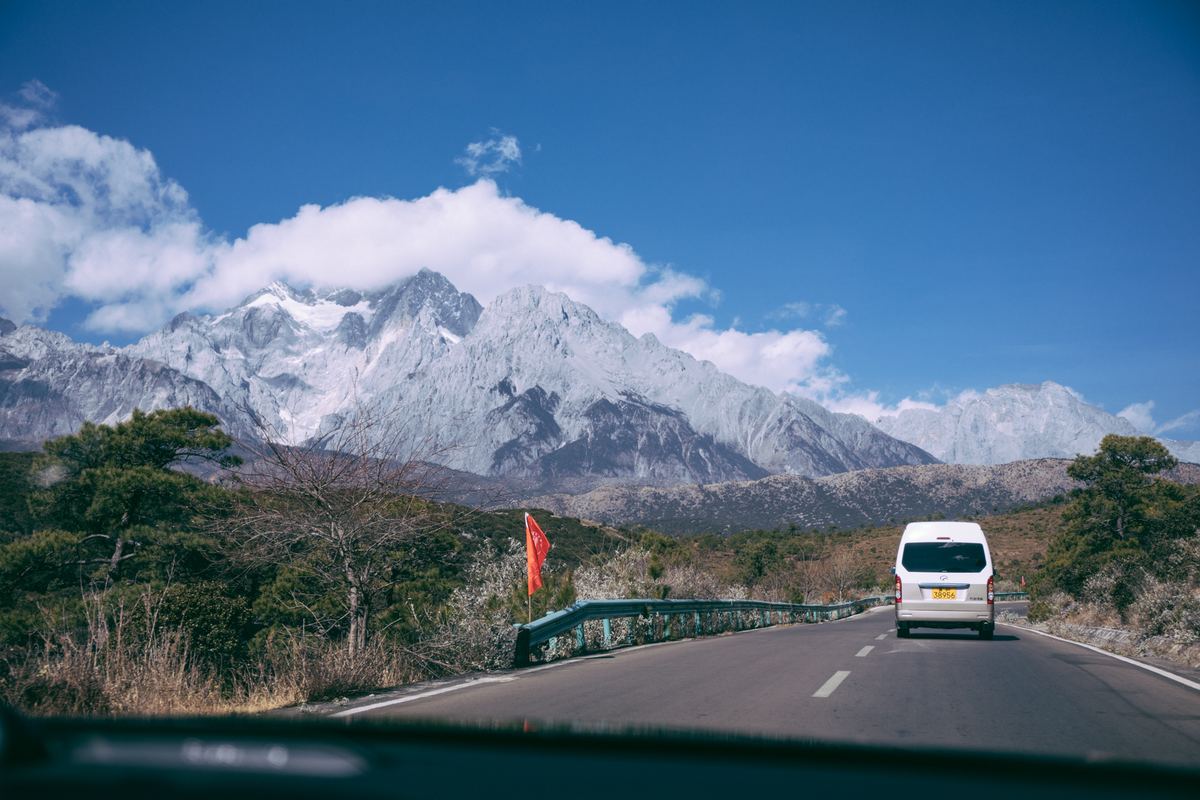
I’ve rolled down the cracked window of a silver VW Lavida 1.5L at a tiny Bai village turnoff halfway around Erhai, the sharp, sweet smell of ripe wax apple drifting over the tarmac as a group of elderly women in indigo embroidered tunics haul baskets of dried chilli onto a handcart. I’d pulled over to stretch my legs, but I froze for half a second when I reached for the door handle: my rucksack stuffed with camera gear, a half-finished notebook, and the small cloth pouch holding my rental documents was sitting right on the back seat, fully visible to anyone walking past the car.
That split second of panic is the exact reason I’m writing this. Most guides for Yunnan self-drive rental for foreigners fixate on mountain passes, viewpoint photo spots, or which tea house has the best home-roasted pu’er. Almost none talk about the quiet, niggling worry of leaving your hire car unattended for 20 minutes while you wander a village lane, buy a bowl of cold rice noodles, or chat to a farmer selling wild honey by the roadside. After three separate loops of Erhai across spring and autumn trips, I’ve worked out a system that works, no fancy locks or overpriced gear required.
Why remote Erhai village stops make luggage storage tricky
Let’s be honest: the Erhai loop isn’t the motorway run from Kunming to Dali where you can pop into a service station without a second thought. Last October, I pulled into a cluster of three farmhouses tucked under the Cangshan foothills, 20 minutes from the nearest main road turnoff. There was no staffed car park, no CCTV cameras, just a packed dirt strip where villagers parked their three-wheeled cargo bikes and a few local family cars. A 10-minute walk down a lane brought me to a terraced plot where an elderly woman was picking wild ferns, and I ended up lingering for nearly 40 minutes, trading a packet of peppermints from my pocket for a small jar of homemade rose jam.
I’d made the mistake on that first stop of leaving my laptop bag perched on the passenger seat. When I walked back, a group of curious kids had pressed their faces to the window, pointing at the bright orange case, and my stomach dropped. I’m not saying village residents are untrustworthy—far from it, most are warm and curious—but unattended valuables left in plain sight are an open invitation for opportunistic passersby, even in quiet places. And when you’re relying on Kunming airport car rental for foreigners to get from your arrival flight to your first Yunnan viewpoint, you don’t want to lose the gear you brought with you halfway through the trip.
Simple, low-effort storage tricks that actually work
I’ve tested every cheap hack going, from folding old picnic blankets over bags to shoving things under the seats. These are the ones that hold up, even on dusty, bumpy village tracks.
Use the under-floor spare tyre compartment first
Every petrol hire car I’ve used for these trips—both the VW Lavida 1.5L I drove for 10 days last spring, and the Jetta 1.4T I took up to Lijiang later—has a deep, lockable under-floor storage spot in the boot, right above the spare tyre. It’s out of line of sight for anyone peering through the back window, and the hard plastic lid keeps stray rain or road dust off your stuff. I keep a small foldable tote bag in there now, so when I pull over, I can grab anything I need to take with me in one sweep, then tuck the rest of my bags down out of sight.
For the Tank 300 2.0T I rented for a Shangri-La leg last summer, the storage under the boot floor was even deeper. I stowed my hard camera case down there when I stopped at a village to try yak butter tea, and never gave it a second thought. Just remember: if you’re driving the Tank 300, the daily rate comes with a 300 km per day limit, so plan your stops to avoid unnecessary backtracking, and make sure you don’t lock your keys in that under-floor compartment by accident. I saw a fellow traveller do that at a Xizhou village stop, and it took them two hours to get a locksmith out from the nearest town.
Never leave valuables in plain sight—even for two minutes
I used to think “it’s just a quick run to the photo spot, I’ll be back in 60 seconds” was a valid reason to leave my phone on the dashboard. Not anymore. Last year, at a popular lakeside turnoff, I watched a couple leave their handbag on the passenger seat while they ran to take a photo of the sunset over the lake. They were gone for less than three minutes, and when they came back, the window was smashed and the bag was gone. It’s not a common occurrence, but it’s the kind of mistake that ruins a whole trip.
My rule now: if it fits in my pocket, it goes in my pocket. Phones, passports, the small folder with my rental agreement, lip balm, sun cream—all of it. The only things I leave in the car are bulky, low-value items: my spare jacket, the bag of dried fruit I bought at a market, my hiking boots. I even tuck those under a blanket if I’m stopping for longer than 10 minutes. It takes 10 extra seconds, and it saves you from that tight-chested panic when you walk back to the car.
Pick parking spots where you can see the car from where you’re stopping
This is the trick I wish I’d learned on my first Erhai loop. Instead of pulling over on a blind bend where you can’t see the car once you walk away, look for spots where the village tea house, the fruit stall, or the viewpoint is within 20 metres of your parking spot. Last spring, I pulled over at a village where an old man was selling fresh walnuts by the road. I parked right next to his stall, bought a bag of walnuts, and chatted to him for 20 minutes. I could glance over at the car any time I wanted, and he kept an eye on it for me while I wandered down the lane to look at the old stone village gate.
That’s the kind of small, human touch that makes these stops worth it. You don’t need fancy secure lockers at every village. You just need to be a little bit thoughtful about where you pull over.
Quick rental logistics to remember for your trip
Let’s cut to the practical bits that people always ask about. For Dali Lijiang car rental for foreigners, you don’t need to navigate complicated paperwork on arrival. A China temporary driving licence can be arranged for 1,500 RMB without you having to attend an office in person, which is a massive weight off when you’re jet-lagged from a long flight into Kunming.
The standard petrol sedans—VW Lavida 1.5L or Jetta 1.4T—cost 260 RMB per day, with a 3,000 RMB rental deposit, and unlimited mileage, which is perfect for looping Erhai as many times as you want without worrying about extra charges. The deposit is refunded 5-7 working days after you return the car, once a check for traffic fines is complete. Insurance is included, covering both compulsory and commercial cover. Minor scratches under 1,500 RMB are paid by you, damage above that goes through insurance with you covering 30%, and scratches that don’t damage the primer are completely free. No hidden downtime or depreciation charges for paintwork or replaced parts, which is a relief when you’re navigating narrow village lanes with overhanging tree branches.
If you want to take a one-way trip, like picking up in Dali and dropping off in Lijiang, there’s a 1,500 RMB one-way return fee. Just remember, if you cancel for personal reasons, the 600 RMB booking deposit is non-refundable, so lock in your dates as firmly as you can before you pay.
I’d rather drive the humble Lavida around Erhai than a big 4x4, to be honest. The village lanes are narrow, the fuel stops are easy to find, and you don’t have to stress about exceeding a daily kilometre limit when you’re popping between photo spots and fruit stalls. Lock your doors, tuck your valuables out of sight, and take your time. The best parts of the loop aren’t the crowded viewpoints anyway—they’re the quiet village stops where someone offers you a cup of hot tea, and you don’t have to worry about your bags sitting in the car behind you.