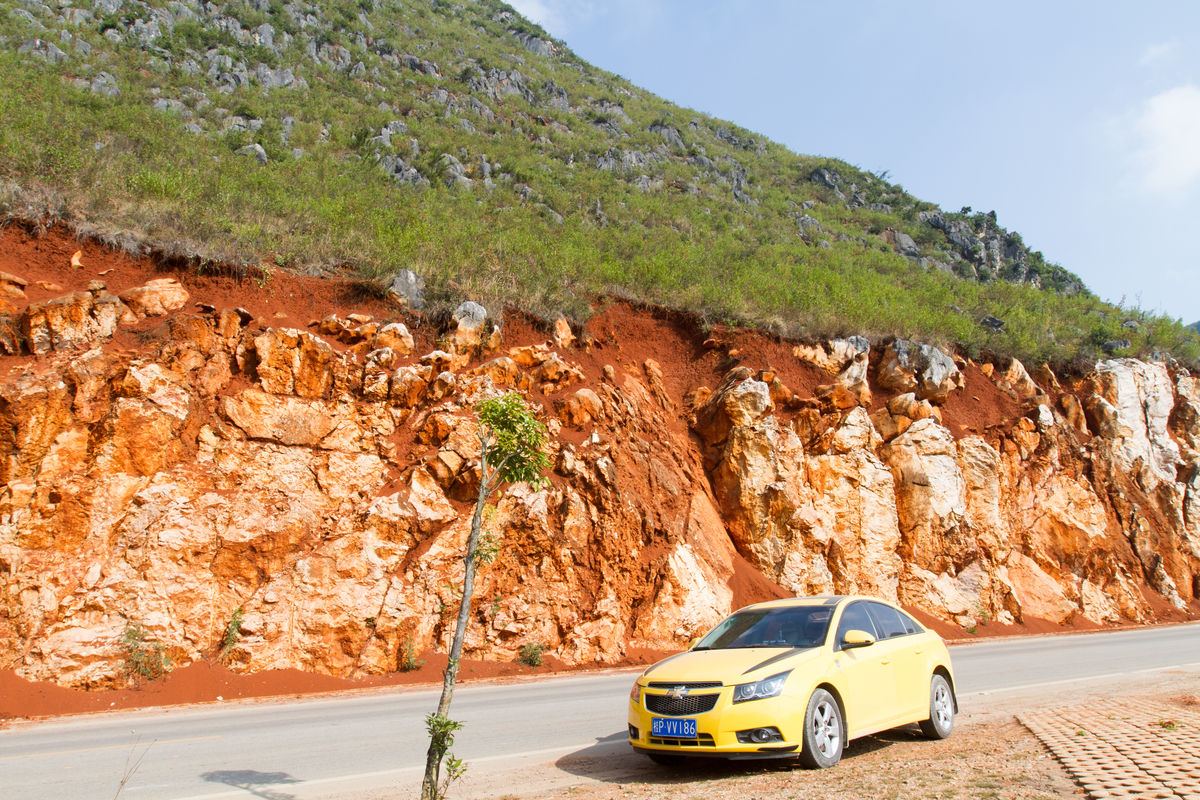
Last October, I picked up a petrol Jetta at Kunming Changshui Airport, the air sharp with the scent of cut eucalyptus from the roadside greenery, and set off west toward Dali. I’d spent three nights poring over rental insurance terms before the trip, and that caution paid off when I scraped the passenger side mirror on a rough stone wall at a village pull-off half way up the route. This guide is for any overseas visitor planning Yunnan self-drive rental for foreigners who wants to avoid the same last-minute panic I felt when I saw that fresh scratch on the paintwork.
Why insurance is non-negotiable for mountain road trips in Yunnan
The roads between Kunming, Dali, Lijiang and Shangri-La are beautiful, and unforgiving. Most routes cut through narrow mountain passes, where loose gravel kicks up at speed, unmarked stone walls line village lanes, and roadside parking spots are often little more than rutted dirt verges. On that October trip, I watched a truck ahead kick up a fist-sized stone that cracked the lower edge of my windscreen, and learned first hand that standard rental cover doesn’t always cover every knocks these roads throw at you.
Yunnan self-drive rental for foreigners is built for these routes, but the insurance terms can feel opaque if you’re used to European or UK rental policies. I’m breaking down exactly what I learned about excess fees, glass cover and tyre damage, so you don’t get caught out mid-journey.
Core insurance rules you need to know before you pick up your car
Let’s start with the basics, the bits you’ll find in every rental agreement, no matter which vehicle you book. All rental cars come with both compulsory and commercial insurance included in the daily rate, so you don’t have to track down separate cover on arrival.
I learned the excess rules the hard way with that mirror scrape. Any damage costing under RMB 1,500 to repair comes directly out of your own pocket. If the repair bill lands above RMB 1,500, the insurance covers most of it, but you’ll still pay 30% of the total cost as your excess. The mirror scrape cost RMB 800 to fix, so I paid the full amount out of pocket, no arguments.
There are small, useful exceptions. If a scratch doesn’t break through the primer layer, there’s no charge at all. I noticed a faint, hairline mark on the rear bumper when I returned the car, and the inspector ran a finger over it, told me the paint was still intact, and waved it through with no fee. There are also no downtime charges or depreciation fees for paintwork repairs or replaced parts, and downtime fees are waived for the first five days if you have a major damage claim. If the car breaks down due to a mechanical fault, the rental provider covers the cost of fixing it. If you cause the breakdown, for example by running over a sharp rock that punches a hole in the sump, you’ll cover the towing and repair costs yourself.
On the day I picked up the car, the agent walked me through the deposit rules. The refundable rental deposit depends on the car you book: RMB 3,000 for the VW Lavida 1.5L or Jetta 1.4T (which costs RMB 260 per day, with unlimited mileage), and RMB 5,000 for the Tank 300 2.0T (which costs RMB 400 per day, with a 300km per day mileage limit). The deposit comes back to your card 5-7 working days after you return the car, once the team checks for any outstanding traffic fines. If you need to drop the car off in a different city, like returning it in Lijiang after picking it up in Kunming, there’s a fixed RMB 1,500 one-way return fee. A booking deposit of RMB 600 is non-refundable if you cancel for personal reasons, so don’t lock in a booking until your travel plans are confirmed. If you don’t have a valid Chinese driving licence, the team can arrange a temporary China driving permit for RMB 1,500, no in-person appointment required.
Excess fees: how to budget for unexpected knocks
When I was planning the trip, I kept seeing vague references to “damage waivers” in rental listings, and none of them spelled out exactly how much I’d pay if something went wrong. After talking through the terms with the pickup agent, I worked out a simple budget rule for Kunming airport car rental for foreigners: set aside RMB 1,500 as a buffer for minor damage, because any repair under that threshold is your responsibility.
This matters more on mountain roads than on city motorways. I passed three separate cars pulled over on the side of the Chuxiong to Dali section, all with cracked bumpers from clipping loose boulders that had rolled onto the tarmac after light rain. If your bumper takes a knock that costs RMB 1,200 to fix, that’s your cost, no insurance claim. If the damage totals RMB 4,000, you pay RMB 1,200 (the 30% excess) and insurance covers the rest.
Don’t waste time hunting for extra excess-reduction add-ons that aren’t listed in the official terms. I asked the agent if there was a way to pay extra to waive that 30% excess for major damage, and they told me no such add-on exists for this local rental service. It’s better to plan for the known costs than pay for cover that doesn’t apply here.
Glass cover: what counts as a windscreen claim
That cracked windscreen I mentioned earlier? I stopped at a roadside pull-off 40 minutes outside Dali, and leaned in to check the chip. It was a clean, 5cm crack spreading from the lower edge of the glass, right in the driver’s line of sight. I called the rental team that evening, and they told me the glass damage would count toward the same excess rules as bodywork damage.
For anyone booking Dali Lijiang car rental for foreigners, glass cover is worth thinking about before you set off. Loose gravel is everywhere on the mountain passes, especially on the narrower roads leading up to Shangri-La. A small chip can turn into a full crack if you hit a pothole at speed, and replacing a windscreen easily lands above that RMB 1,500 threshold, meaning you’ll pay 30% of the repair cost.
There’s no separate, dedicated glass waiver you can buy for these rentals, so the best protection is simple: keep a safe distance from large trucks on gravel sections, and avoid driving at dusk when loose stones are harder to see on the tarmac. I drove the last 60km into Lijiang at a steady 60km/h after that windscreen chip, no rushing, and didn’t pick up any more damage for the rest of the trip.
Tyre damage: what to watch for on rough verges
On the last leg of my trip, driving back from Lijiang to Kunming, I pulled onto a dirt verge to take a photo of the Jade Dragon Snow Mountain peeking over the ridgeline. I didn’t notice the sharp, broken bottle half-buried in the dust until I heard a faint hiss when I got back in the car. The front right tyre had a slow puncture.
This is the part of the rental insurance that catches most overseas visitors out. Tyre damage from driving over sharp objects, potholes or rough verges is treated the same as other damage: if the repair or replacement cost comes in under RMB 1,500, you pay it yourself. If it’s above that threshold, you pay the 30% excess. I ended up paying RMB 320 to patch the tyre at a small garage on the edge of Lijiang, which fell well under that threshold.
I don’t recommend driving off the paved road onto soft dirt verges unless you have a high-clearance 4x4 like the Tank 300. For regular saloon cars like the Jetta or Lavida, the thin sidewalls are easily damaged by sharp rocks hidden in the dust. Stick to paved laybys when you want to stop for photos, and you’ll avoid the same slow puncture headache I had.
One last thing: if you’re planning Yunnan self-drive rental for foreigners, pick up your car at the airport if you can. It saves the hassle of hauling luggage across the city to a downtown office, and you can walk through all the insurance terms with the agent on site before you sign the paperwork. I did that, and it meant I knew exactly what I was liable for before I even turned the key in the ignition.