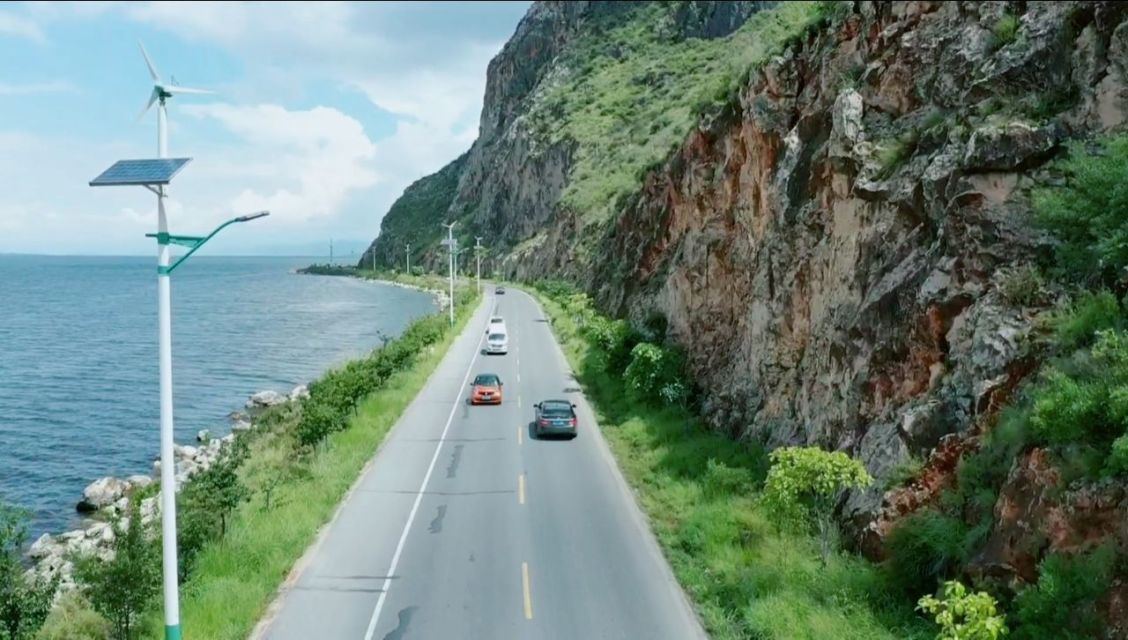
Last October, I pulled over at a sun-scorched layby just outside Xizhou, dabbing sweat off my forehead, as a rental agent’s voice crackled through my phone. A speed camera had flagged me 12km/h over the limit on a straight, empty stretch of road between Dali and Lijiang, and I’d completely missed the half-hidden village sign marking the 40km/h zone. If you’re planning a Yunnan road trip, this is the small, easy-to-mess-up detail that can turn a dream drive into a post-trip hassle. This guide covers what you actually need to know about speed camera tickets and hidden village limits when you arrange local car rental in southwest China as an overseas visitor.
Why village speed limits catch out even careful drivers
The stretch of road I was on winds between barley fields and white-walled Naxi villages, and it’s easy to settle into a smooth cruise after the climb over Cangshan. I’d driven the route twice before, so I’d mentally marked the sharp bends and sheep crossings — but I’d forgotten how fast those village limit signs pop up, often just as you crest a small rise, half-obscured by willow branches.
These zones aren’t random. Most small settlements along the Dali-Lijiang route run 40km/h limits through the village core, dropping from the 70km/h open road limit the second you pass the first cluster of houses. I’d glanced at my speedometer right after the crest, thought I was still on open road, and carried on for 30 seconds too long. The camera was mounted on a low pole next to a community notice board, the kind you’d barely notice if you’re craning to look at the snow-capped peaks to the north.
For anyone booking Yunnan self-drive rental for foreigners, this is the single most common ticket trigger. It’s not the big highway cameras near city edges — it’s these tiny village zones, where the road feels empty, the tarmac is smooth, and the limit sign is the same size as the ones marking local tea houses.
How speed camera tickets surface after you return the car
I assumed I’d hear about the ticket immediately, but that’s not how it works. When I dropped the Tank 300 back at the Lijiang city office on the last day of my trip, the agent did a quick walkaround, noted the minor scuff on the rear bumper, and told me my rental deposit would be processed once the traffic fine check was complete. I nodded, flew back to the UK, and thought that was that.
Five working days later, I got an email. The system had flagged the speed camera capture from the village road, and the fine amount would be deducted directly from my refundable rental deposit, with the remaining balance returned to my card. That’s the standard process for Kunming airport car rental for foreigners too — you don’t have to queue at a traffic police office in a foreign city, or fumble with Chinese payment apps to settle fines mid-trip. The rental team runs the fine check against the vehicle’s registration after you return it, sorts the payment on your behalf, and adjusts your deposit accordingly.
I’d paid a 5,000 RMB deposit for the Tank 300, which comes with a 300km per day mileage limit — well worth it for the rough side roads to Shaxi, even if it meant planning daily drives carefully. The VW Lavida 1.5L, at 260 RMB per day with unlimited mileage and a 3,000 RMB deposit, is the pick for longer, slower trips where you’re sticking to main roads, and the fine check process works exactly the same way for that car. If you’re doing a one-way drop, like picking up in Dali and returning in Lijiang, there’s a 1,500 RMB one-way return fee — and that fine check still runs after you hand the keys over, no matter which office you return to.
What to expect with your deposit
Don’t plan to spend that deposit money before it hits your account. The timeline is 5-7 working days after return, and that window exists specifically to catch these delayed speed camera notifications. I’d budgeted for the minor scratch I’d left on the bumper — anything under 1,500 RMB in damage comes out of your pocket, while damage above that goes through the included compulsory and commercial insurance, with you covering 30% of the cost. Scratches that don’t break through the primer are fixed for free, no hidden charges. The speed fine was a separate, small deduction, and the rest of the deposit came through once the check cleared.
Practical habits to avoid tickets on Yunnan village roads
I’ve driven this route four times now, and I’ve picked up a few hard-won habits that cut down on ticket risk, especially when you’re picking up a car for Dali Lijiang car rental for foreigners trips.
First, don’t trust your memory of the road. Even if you’ve driven it before, village limits shift. Slow down the second you see a cluster of houses, even if you can’t spot the sign yet. Last trip, I slowed down early through a small Bai village near Erhai Lake, and realised a camera was hidden right behind a banyan tree, 100m past the village entrance. I would have been caught if I’d kept my usual cruise speed.
Second, keep an eye on the road shoulder. Village speed cameras aren’t mounted on big gantries like highway ones. They’re on low, thin poles, often next to trash bins or bus stops, painted the same dull grey as the roadside utility boxes. I’ve started scanning the shoulder every time I crest a rise, because that’s where they’re always placed — right where your speedometer climbs a little as you coast downhill.
Third, don’t rush the narrow passes. The road between Lijiang and Shangri-La has more of these village zones, and the altitude means you’re often tired from the thin air. It’s easy to lose track of your speed when you’re staring at the pine forests. I set a hard rule last trip: if I’m within 2km of a named village on my navigation, I drop to 40km/h, no exceptions. It added 10 minutes to my drive, but I didn’t pick up a single ticket that week.
I know some travellers get frustrated by these limits, especially when the road feels completely empty. But these villages have kids walking to school, elderly people crossing to buy vegetables, and livestock wandering onto the tarmac. The limits aren’t there to trick you — they’re there because the road runs right through people’s front yards. And if you do get caught? The process is straightforward, no runaround, as long as you know the deposit check will catch it after you leave.
Final notes for your trip
If you’re an overseas visitor, remember you don’t need to navigate driving permit paperwork on your own. A China temporary driving licence can be arranged for 1,500 RMB, no in-person attendance required, when you book your rental. Insurance is included with every car, covering compulsory and commercial cover, and if the car breaks down from a mechanical fault, the rental team handles it — you only cover towing costs if the breakdown is from something you did. If you cancel for personal reasons, the 600 RMB booking deposit is non-refundable, so lock in your dates carefully.
I’d rather drive slowly through these villages, stop for a bowl of hot rice noodles at a roadside stall, and take in the view, than rush to beat a speed camera and end up with a fine deducted from my deposit. The best part of Yunnan self-drive is the slow bits — the stretches where you can pull over, watch the sun hit the lake, and not feel like you’re racing to the next viewpoint. The speed cameras are just a reminder to savour that slow pace, even on the empty, sun-drenched straight stretches.