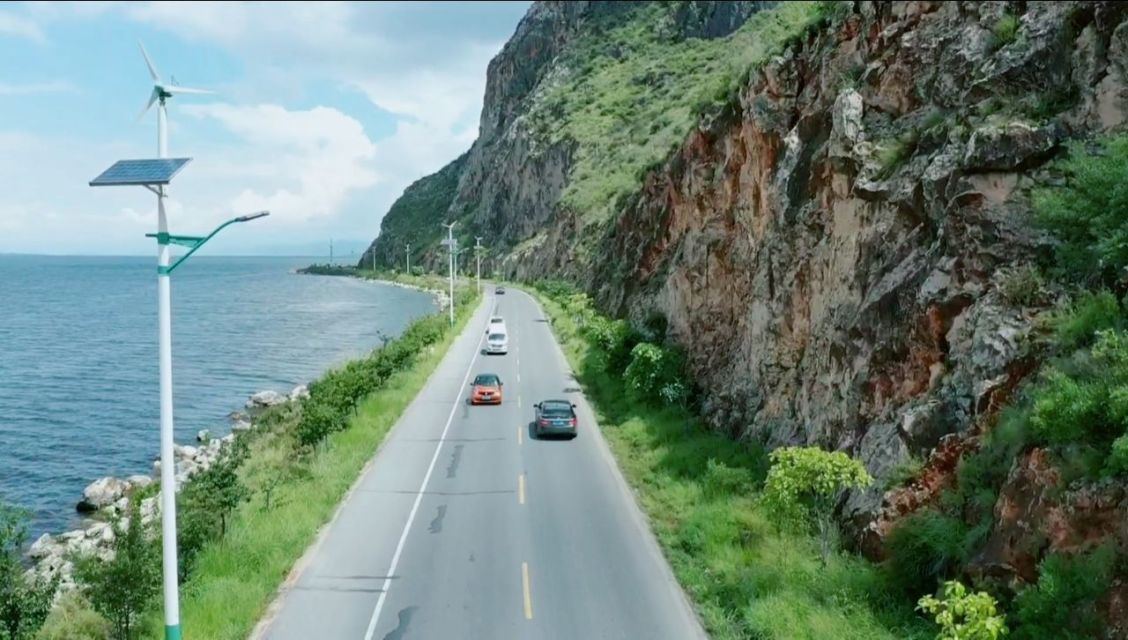
I learned the hard way that “Yunnan is warm” is the kind of half-truth that gets foreign travellers caught out. Last December, I picked up a rental car in Lijiang and headed up toward Shangri-La, thinking I’d packed enough layers. By the time I reached the high passes, the wind had turned sharp, the tarmac was glazed in patches, and my thin travel gloves were already useless.
That trip is why I’m writing this. If you’re planning Yunnan self-drive rental for foreigners over the winter, the Lijiang–Shangri-La stretch is one of the most rewarding drives in the province — but only if you prepare for the temperature drop between the old towns and the plateau.
Sorting the paperwork before you even think about snow
Let’s get the boring bit out of the way first, because it’s the part people leave to the last minute. You can’t just turn up with your home licence and expect to drive. A China temporary driving licence can be arranged for 1,500 RMB without you having to attend in person, which removes a lot of friction for overseas visitors.
I’d recommend sorting this before you fly into Kunming. If you’re arriving in the capital first, Kunming airport car rental for foreigners is a straightforward starting point — you collect the car at the airport, check the paperwork, and then make your way slowly up to the colder elevations rather than jumping straight into high passes.
Don’t make the mistake I almost made: assuming the licence is just a formality you can sort on arrival. It’s not. Build in enough time for it to be processed before your planned drive day.
Choosing the right car for the climb
Here’s where I’ll be blunt: not every rental car makes sense on this route in winter. The standard petrol options are fine for gentle driving around Dali and Lijiang, but when you’re climbing toward Shangri-La, the altitude, the cold mornings, and the occasional icy patch change the equation.
The two common choices for this kind of trip are the VW Lavida 1.5L or Jetta 1.4T petrol, at 260 RMB per day, with a 3,000 RMB rental deposit and unlimited mileage. That’s good value if you’re pottering around lower elevations, stopping at tea houses and old towns. But if you’re set on the full Lijiang to Shangri-La run in mid-winter, the Tank 300 2.0T at 400 RMB per day, with a 5,000 RMB deposit and a 300 km daily limit, gives you far more reassurance on the higher passes.
I drove the Tank 300 on that December trip. On the climb out of Lijiang, the temperature gauge dropped steadily, and I was glad I’d gone for the higher ground clearance. I passed a few smaller cars crawling slowly over frosted patches, their drivers clearly not expecting the ice on the shaded stretches of road.
One thing to note: if you pick up in one city and drop off in another — say, collecting in Lijiang and returning in Shangri-La — there’s a 1,500 RMB one-way return fee. Plan that into your budget. If you’re basing yourself in the northwest, Dali Lijiang car rental for foreigners is a common setup, but the one-way fee means it’s worth deciding your route before you book.
The rental deposit is refunded 5–7 working days after you return the car, once a traffic-fine check is complete. Keep that timeline in mind if you’re flying out of China soon after your trip.
Insurance, scratches and the small print that matters
I’ve seen enough foreign renters panic over tiny scuffs on Chinese rental cars, so let’s be clear about the cover. Insurance includes compulsory and commercial cover. Minor scratches under 1,500 RMB are paid by you; damage above that goes through insurance, with you bearing 30%.
The good bit? Scratches that don’t damage the primer are free. There are no downtime or depreciation charges for paintwork or replaced parts, and downtime is waived within 5 days for major damage. If the car breaks down for a mechanical reason, the rental provider covers it. Towing for a client-caused reason is at your expense.
On that December drive, I scraped the lower trim on a loose stone pull-off. I checked the paint, it hadn’t broken through the primer, and there was no charge. I’d have been cross with myself if I’d damaged it worse, but the rules are clear enough that you don’t have to fear every tiny bump.
One last booking note: the 600 RMB booking deposit is non-refundable if you cancel for personal reasons. Lock in your dates only when you’re confident they’re fixed.
Building your winter road trip kit
Now for the part that makes the difference between a memorable drive and a miserable one. I packed light on my first trip up to Shangri-La, and I regretted it. Here’s what I’d never leave Lijiang without now:
- Thick, windproof gloves. The thin travel gloves I brought were useless at –5°C when I had to step out of the car to check a frosted stretch of road.
- A warm hat and neck gaiter. The wind on the high passes cuts right through a thin jacket, even when the sun is out.
- A reusable water bottle that won’t freeze in the car overnight.
- Snacks that don’t need heating — long drives on mountain roads can take longer than you expect, especially if you stop for views.
- Sunglasses. The glare off frost and snow on the higher stretches is brutal on your eyes, even on bright days.
I stopped at a viewpoint just below the pass, stepped out to take a photo, and within two minutes my ears were burning. That’s the thing about winter driving in Yunnan: the sun feels warm in the car, but the second you open the door, the cold is unforgiving.
Pickup and return: don’t rush the checklist
When you collect the car, take five minutes to walk around it with the agent. Note any existing scuffs, check the tyres, and make sure you know how the heating works. I’ve seen travellers jump in, start driving, and only realise the heater isn’t working properly once they’re halfway up a cold, winding road.
On return, allow plenty of time. Don’t turn up 10 minutes before your flight. The inspection takes a little while, and you don’t want to be rushing through it.
Yunnan’s winter roads are quiet, the views are extraordinary, and the drive from Lijiang to Shangri-La is one you’ll remember. Just don’t underestimate the cold. Pack the layers, sort the paperwork early, choose a car that feels right for the elevation, and you’ll have a trip worth writing home about.