My Unplanned Morning on the Cangshan Foothills
I was sat on a splintered wooden stool outside a tiny farm hut last April, steam curling off a hand-thrown ceramic mug of bourbon-process coffee, when I realised I’d never have found this spot on a bus. The narrow, rutted track I’d bumped up 20 minutes earlier winds between old pear orchards and wild camellia thickets, no signposts, no public transport routes, just the faint crunch of gravel under my tyres. He just took a handful of loose RMB notes from my palm and grinned, pointing to the mist creeping down the Cangshan peaks behind his coffee bushes. Kunming airport car rental for foreigners has one bottleneck, and this is it.
This is the exact joy of self-driving this part of Yunnan, the kind of unscripted detour you can’t pull off when you’re tied to a group tour or a fixed timetable. A lot of overseas visitors don’t realise how easy it is to arrange once you know the process, and that’s what I’m breaking down here, from picking up your vehicle to tracking down those hidden coffee farms most tourists never even hear about. That is the side of Yunnan self-drive rental for foreigners the brochures leave out.
Sorting Your Rental Before You Even Leave Kunming
I’ve done this route three times now, and the last time I landed at Changshui, I skipped the usual scrum at the airport taxi rank and headed straight to the pickup point. Kunming airport car rental for foreigners is straightforward these days, no hoops to jump through that you can’t sort out well in advance. You don’t have to turn up with a stack of confusing paperwork, either – the team will arrange your China temporary driving licence for 1500 without you attending in person, so it’s all ready and waiting for you when you touch down.
I picked the 1.5L VW Lavida that trip, 260 RMB a day, unlimited mileage. It’s not flashy, but it eats up the winding mountain roads west of Dali old town no bother, and I didn’t have to stress about scraping the sides on overhanging peach branches. If you’re planning to veer off the tarmac onto some of the steeper farm tracks, though, the 2.0T Tank 300 is a solid call at 400 RMB a day, though do note it has a 300 km per day limit. I tried that once in monsoon season, when the lower tracks were slick with mud, and the four-wheel drive pulled me up a slope I’d never have made it up in the smaller saloon.
Yunnan self-drive rental for foreigners works on a simple system, no hidden fine print once you go through the pickup checklist. The rental deposit for the Lavida is 3000 RMB, 5000 RMB for the Tank 300, and it gets refunded 5-7 working days after you drop the car back, once the traffic fine check is complete. There’s a 600 RMB booking deposit that’s non-refundable if you cancel for personal reasons, but that’s clearly stated up front, no last-minute surprises. The insurance covers both compulsory and commercial cover, just to be clear: minor scratches under 1500 RMB are paid by you, any damage above 1500 RMB goes through insurance with you bearing 30%, and scratches that don’t damage the primer are free. No downtime or depreciation charges for paintwork or replaced parts, and downtime is waived within 5 days for major damage. If the vehicle breaks down for a mechanical reason, that’s fully covered, though towing for a client-caused reason comes at your own expense. I learned that the hard way once, when I tried to drive through a shallow ford that turned out to be deeper than it looked, and had to call a tow truck out. Worth checking the weather forecast before you head off-piste, trust me.
Dali Lijiang Car Rental for Foreigners: Extending Your Trip North
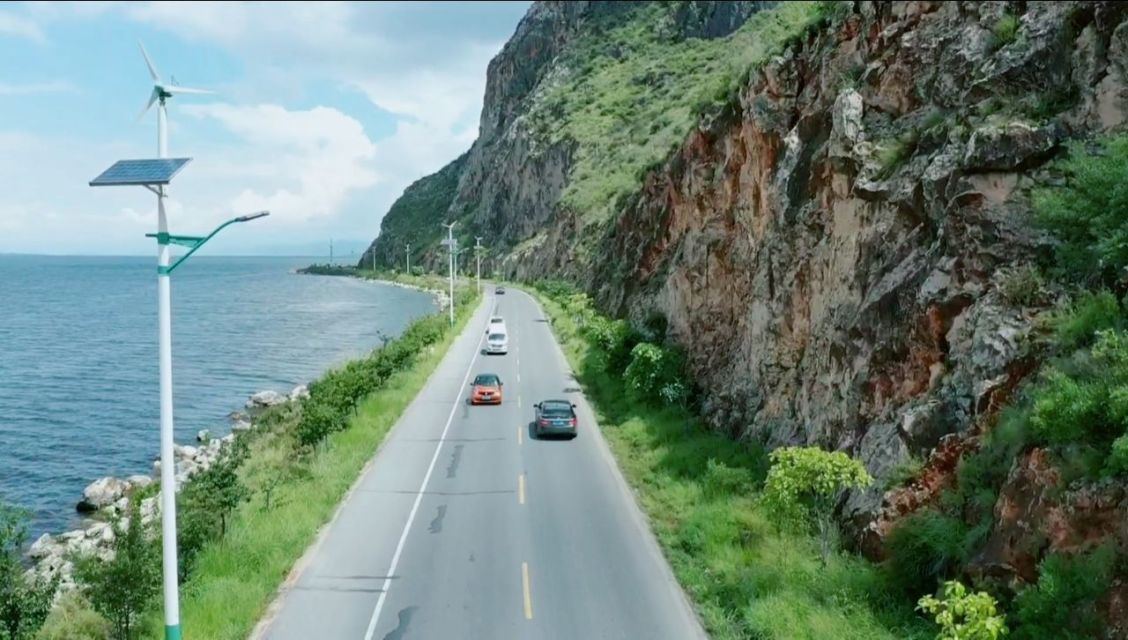
Most people I meet on the road in Dali end up heading north to Lijiang after a few days exploring the lake and the foothills, and you don’t have to double back to drop the car off in Dali if you don’t want to. The one-way return fee for dropping off in Lijiang is 1500 RMB, which is far less hassle than catching a crowded bus back with all your bags. Dali Lijiang car rental for foreigners lets you take the slow route along the west shore of Erhai Lake, stopping off at tiny villages where the Bai people sell homemade three-tea sets on the roadside, rather than sticking to the main highway that all the tour buses use.
I did that last trip, too. I left Dali at 8am, no alarm set, just rolled out of my guesthouse, grabbed a rice noodle bowl from the stall at the end of the old town’s main gate, and hit the road. I stopped for two hours at a little wooden dock where a group of old men were fishing for crucian carp, then detoured up a side lane to a temple I’d never seen mentioned online, where the monks gave me a cup of wild honey tea. You can’t do that on a scheduled coach.
Navigating The Cangshan Foothills Coffee Route
Now for the bit you’re here for: those hidden coffee farms west of Dali old town. Most visitors never head past the main cable car stations on the east side of Cangshan, but if you take the small road that turns off just past the Dali University west gate, you’ll climb up past pine forests and old stone villages, and the air starts to smell different – rich, slightly nutty, with that faint green scent of unroasted coffee cherries.
I’m not going to give you a list of exact farm addresses. Half the fun is getting lost a little, stopping when you see a patch of glossy dark green coffee bushes tucked between the corn fields. But a few tips I’ve picked up over the trips: go before midday, when the mist is still clinging to the lower slopes and the farmers are out harvesting the ripe red cherries. Don’t drive too fast, there are often stray goats and free-range chickens wandering across the tarmac, and the occasional old farmer herding a small flock of sheep that will take their time crossing the road, no rush at all.
Last time I was up there, I followed a farmer on a beat-up electric scooter for three kilometres down a dirt track, because I saw he had a wicker basket full of coffee cherries slung over his shoulder. He led me back to his family’s small farm, where his wife was sorting beans on a bamboo mat laid out in the sun, and they let me help pick a handful of cherries before they sat me down for lunch. We ate stir-fried wild mushrooms and steamed rice, and they poured me a cup of coffee they’d roasted over a wood fire in their small courtyard. It tasted nothing like the thin, bitter stuff you get in the tourist cafes down in the old town – it was sweet, with hints of orange peel and honey, and I left with a small bag of beans they’d wrapped in old newspaper for 50 RMB.
There are a couple of small, family-run roasteries tucked into the foothills too, no big signs out front, just a small stack of wooden crates by the door to mark them. You can sit and watch them roast small batches over old cast-iron machines, and the owners will usually let you taste three or four different processes, from natural washed to honey, no pressure to buy anything. I usually bring a small empty vacuum bag with me to stock up, because the price is a third of what you’d pay back in the old town, and the beans are 48 hours off the farm, not sitting on a shelf for two weeks.
Small Practical Bits No One Tells You
Parking up in the foothills is almost always free. Most farm owners will wave you into a small patch of flat ground by their hut, no one’s going to ask you for cash. If you’re heading up after October, bring a thin jacket. The temperature drops 5 degrees as soon as the sun goes behind the Cangshan peaks, even if it was 22 degrees down in Dali old town at midday.
I don’t recommend taking the Tank 300 unless you’re actually planning to drive up the very steep, unpaved tracks to the highest farms. The Lavida handles every single paved and most of the well-used gravel tracks up there perfectly well, and the unlimited mileage means you don’t have to count your kilometres as you detour around looking for new spots. I once drove all the way from Dali to a small village 40 km north, no extra charges, no hassle.
Yunnan self-drive rental for foreigners doesn’t have to be complicated. You don’t need to pre-book every stop, you don’t need a rigid itinerary. Just grab your keys when you land, point the car west out of the old town, and follow the smell of roasting coffee.
Last month I got a message from a friend back in the UK, who did this route after I told him about the coffee farms. He sent me a photo of him sat on that same splintered wooden stool I was on back in April, holding that same hand-thrown mug, and he said he’d met the same farmer, who remembered me turning up unannounced. That’s the bit no travel guide can sell you. You can’t get that on a group tour.
Don’t overplan it. Just go.