My First Fumble With Yunnan’s Rural Backroads
I’d pulled out of Dali’s old town at 9am last October, sun gilding the eroded red clay banks that sloped down to Erhai Lake, windows wound all the way down to let the crisp, pine-scented air flood the cabin. I was behind the wheel of a 1.5L VW Lavida, fresh from picking it up as part of a Dali Lijiang car rental for foreigners, and I’d stupidly set my navigation to the unmarked rural backroad instead of the smooth main highway. Ten minutes in, a flock of snow-white geese waddled single-file across the tarmac, led by an old woman in a indigo embroidered apron who shook her walking stick at me like I’d wandered onto her private farm. I hit the brakes so hard my half-drunk cup of pu’er tea sloshed all over the passenger seat. That was when I realised none of the road rules I’d learned driving around the UK were going to cut it here. Yunnan self-drive rental for foreigners has one bottleneck, and this is it.
Most overseas visitors I meet planning a Yunnan road trip fixate on the postcard shots of Dali’s Three Pagodas or Lijiang’s cobblestone old town, and forget that the 100 odd kilometres of winding road between them, and the stretches further north towards Shangri-La, are living, working routes shared by farmers, herders, and every animal they own. You don’t rush this drive. If you try, you’ll end up slamming on brakes every 30 seconds, fraying your own nerves and startling a goat so hard it bolts into your wing mirror. That is the side of Kunming airport car rental for foreigners the brochures leave out.
Getting Set Up Before You Even Turn The Key
I didn’t learn until my third trip that you don’t have to mess around trying to sort paperwork yourself. A China temporary driving licence can be arranged for 1500 without the client attending in person, which means you can step off the plane at Kunming Changshui, walk straight to the pickup desk and be on the road the same day. That first trip I faffed around for three days trying to sort documentation, until a local hiker I met over a bowl of crossing-the-bridge noodles laughed and told me I was wasting my time. It’s far simpler to arrange everything ahead, so all you have to do is run through the pickup checklist, check for existing scratches on the bodywork, and go. Everyone I know who has dealt with Yunnan self-drive rental for foreigners tripped on this.
There are two sensible petrol vehicle options for most routes here. The VW Lavida 1.5L or Jetta 1.4T will set you back 260 per day, with a 3000 rental deposit and unlimited mileage, perfect if you’re sticking to the main roads and the smaller rural lanes around Dali and Lijiang. If you’re planning to head further north up to Shangri-La, where the tarmac gets patchy and some of the higher unpaved side tracks get slippery after rain, the Tank 300 2.0T is 400 per day, with a 5000 rental deposit and a 300km per day limit. I took the Tank 300 up a rutted track last November to a tiny Tibetan village outside Lijiang that no bus tours reach, and the extra clearance saved me from bottoming out on a half-buried rock three separate times. Worth the extra cost if you’re the sort of traveller who likes to detour off the mapped routes.
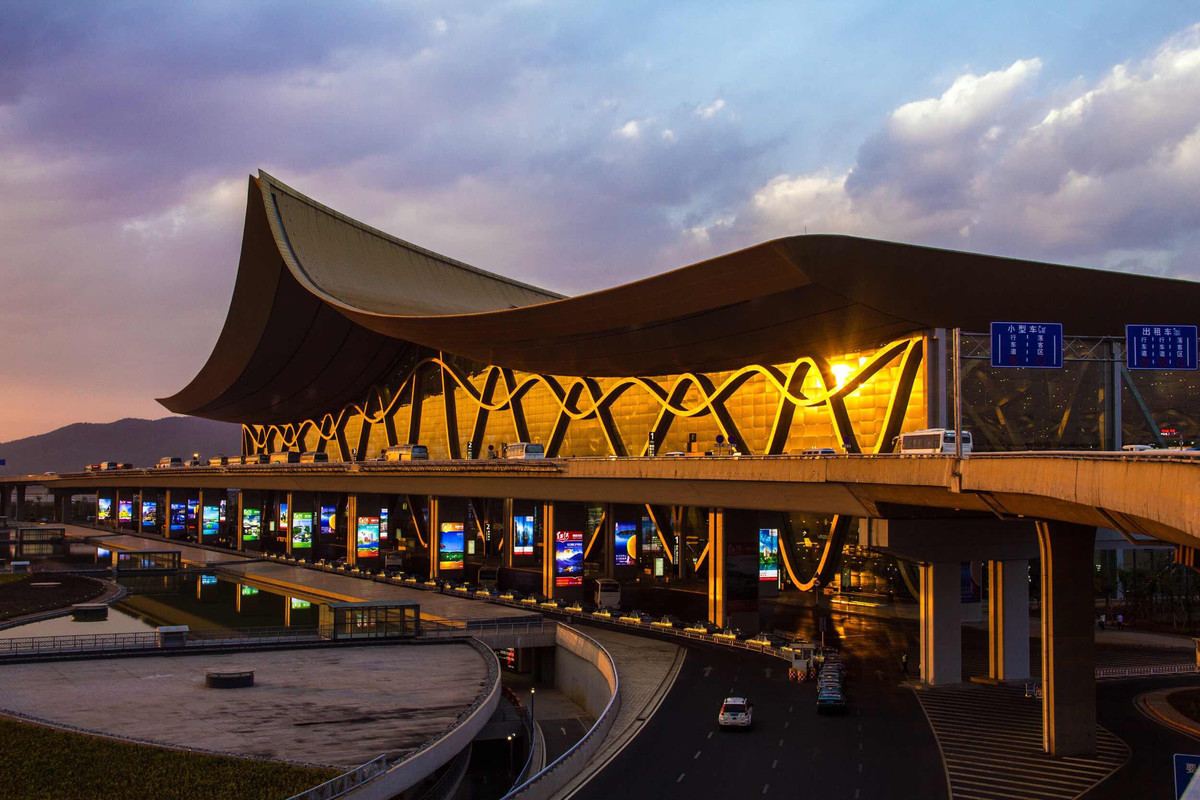
For anyone flying in and heading straight out on their trip, Kunming airport car rental for foreigners is a hassle-free starting point, no need to drag your luggage across the city to a downtown office. You can also arrange one-way returns, for example dropping the car off in Lijiang, for a 1500 fee, which saves you doubling back on yourself when you’d rather spend an extra day wandering Lijiang’s old town instead of retracing 200km of road.
A quick note on deposits: the booking deposit of 600 is non-refundable if you cancel for personal reasons, so don’t lock it in until your travel dates are confirmed. The main rental deposit gets refunded 5-7 working days after you drop the car back, once the traffic fine check is complete, no hoops to jump through as long as you’ve stuck to the road rules.
Adjusting To The Slow Pace No Sat Nav Will Tell You About
I was 20 minutes outside Lijiang last spring, cruising along a straight stretch of road lined with pink cherry blossom, when I glanced in my rear view mirror and saw a tractor coming up behind me, piled high with sacks of potatoes, its driver waving one arm out the window to overtake. I pulled over, and as he passed he gave me a big grin and a thumbs up. That’s the vibe out here. Nobody’s in a rush. If you drive like you’re on a British motorway, you’re going to stand out, and you’re going to miss all the best bits.
Forget the speed limit numbers you see printed on the roadside signs. On the rural lanes outside Lijiang, the real speed limit is whatever the old man herding his 12 goats down the middle of the road decides it is. Last month I spent 12 minutes crawling behind a herd of black goats, their bells tinkling, the herder ambling 10 metres behind them smoking a cigarette. I didn’t even get annoyed. I rolled down the window, breathed in the smell of wild mint growing at the side of the road, and watched a pair of red-billed blue magpies dart between the oak trees. If I’d been in a hurry I’d have missed them entirely.
There are no cattle grids out here. No underpasses for livestock. No warning signs 500 metres ahead telling you to watch for crossing animals. The first time you see a 500kg water buffalo standing stock still in the middle of your lane, chewing cud and staring right at you, your first instinct is to swerve. Don’t. Just brake, wait, and he’ll eventually amble off to the grass on the other side. They know what they’re doing. You’re the visitor.
I keep a little notepad in the door pocket now, with a list of small rules I’ve scribbled down after four trips on these roads:
- Never overtake around a blind corner. There’s a 50% chance there’s a herd of yaks just out of sight on the other side.
- Slow down to 20km/h when you pass a village. Kids chase dogs into the road, old ladies carry baskets of vegetables right up to the tarmac edge, nobody looks before they step out.
- If a farmer waves you past his herd, go very slow. A skittish lamb could dart under your wheels before you react.
It’s not just animals, either. You’ll pass cyclists wobbling along with baskets full of fresh lychees, old men trundling on three-wheeled scooters with no lights, groups of schoolkids walking home in a line along the side of the road. Everyone shares the same bit of tarmac. The trick is to stop treating it like a normal road, and start treating it like a shared public space. Drop your speed, turn off the loud podcast, and pay attention.
The Fine Print On Damage And Insurance You Need To Know
I scratched the side of the Lavida on a bramble bush that jutted out onto a narrow lane outside Xizhou last October, and I panicked at first, thinking I’d be hit with a huge bill. It turned out minor scratches under 1500 are paid by the client, damage above 1500 goes through insurance with the client bearing 30%, and scratches that don’t damage the primer are completely free. There are no downtime or depreciation charges for paintwork or replaced parts, and downtime is waived within 5 days for major damage. That bramble scratch didn’t even break the clear coat, so I didn’t pay a penny.
If the vehicle breaks down for a mechanical reason, that’s covered. If you wrap it around a tree because you were driving too fast on a wet corner, towing for a client-caused reason is at your own expense. That’s fair enough. I always do a full walk around the car before I drive away, snap a few photos of every existing mark on my phone, so there’s no argument when I drop it back.
Last month I met a couple from Canada who’d booked a Yunnan self-drive rental for foreigners and tried to rush the whole Dali to Lijiang stretch in an hour and a half. They ended up slamming on brakes for a group of crossing pigs, skidded on a patch of wet moss, and ended up in a ditch. No one was hurt, but they were shaken. They told me later they’d wished someone had told them to slow down, that the drive wasn’t a race to tick off the next destination.
That’s the thing most guides leave out. The best bits of this part of Yunnan aren’t in the old towns. They’re the unplanned stops: pulling over to buy a bag of wild strawberries from a kid sitting on a stone wall, stopping to watch a group of Naxi men play mahjong under a tree, waiting 10 minutes for a herd of yaks to cross the road so slowly you end up chatting to the herder in broken Mandarin over a shared cigarette.
You don’t come to this part of the world to drive fast. You come to move at the same pace as the land. The Dali Lijiang car rental for foreigners set up is built for that, no hidden hoops, no stupid fees, just a solid car and the open road. All you have to do is stop rushing. Let the geese go first. Let the goats take their time. You’ll get to Lijiang eventually, and the bits in between will be the ones you remember.