A Slow Drive to Dali’s Hidden Family Wineries
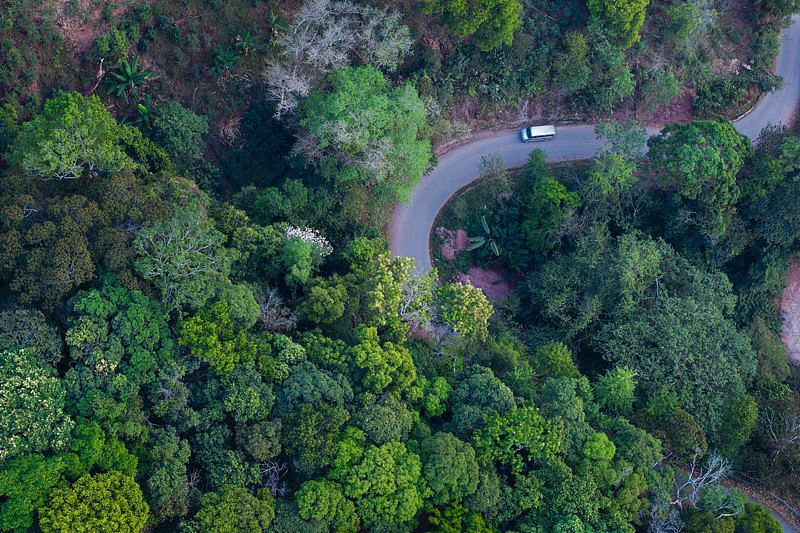
I was last on this stretch of road in late October, the hills above Erhai Lake still warm enough that I’d rolled the window all the way down, letting the sharp, sweet scent of ripening cabernet franc drift over the dash. I’d pulled off the main Dali to Lijiang highway half an hour earlier, following a rutted, signposted side lane that wound up through terraced vineyards, no tour buses, no loud groups, just the low hum of my 1.5L VW Lavida and the distant clink of glass from a stone farmhouse half hidden in the vines. Yunnan self-drive rental for foreigners has one bottleneck, and this is it.
For years I’d heard visitors to Yunnan say they couldn’t get out to these small, family-run wineries, that the local buses only run to the main villages, that taxi drivers won’t wait around for a two-hour private tasting. It’s true, this is the kind of experience that only works if you have your own set of wheels, and that’s where local self-drive options open up a whole side of Dali most overseas travellers never get to see. That is the side of Kunming airport car rental for foreigners the brochures leave out.
Sorting Out Your Rental Before You Leave Kunming
Most people fly into Kunming first, right? You land, still a little jet lagged, staring out at the red soil of the terraced hills rolling past the airport perimeter, and the last thing you want is to mess around with complicated paperwork. That’s why Kunming airport car rental for foreigners is such a straightforward, no-fuss setup these days, no hoops to jump through beyond a quick check of your details at the pickup desk. Everyone I know who has dealt with Yunnan self-drive rental for foreigners tripped on this.
I turned up at the airport office at 9am last trip, still sipping a lukewarm milky tea I’d bought at the arrivals hall stall, and the whole handover took less than 20 minutes. The temporary China driving licence can be arranged for 1500 without you needing to attend in person, which I’d sorted a week before I flew over, so all I had to do was walk around the car with the attendant, tick off the small existing scratch on the rear bumper, and take the keys. The Lavida I picked up was 260 RMB a day, unlimited mileage, and the 3000 rental deposit would be refunded 5-7 working days after I dropped the car back, once the traffic fine check came through. The tricky part of Kunming airport car rental for foreigners is always the bit nobody explains.
I’ve seen a lot of overseas travellers make the mistake of booking a rental that limits their mileage to something silly, but for this trip, the unlimited allowance on the smaller petrol cars was perfect. I didn’t have to watch the odometer tick over every time I detoured to stop at a roadside persimmon stall or pull over to take a photo of Erhai Lake glinting silver at sunrise.
The one time I messed up, a few years back, I booked a 4WD thinking I’d need it for the hill roads up to the wineries, and it was total overkill. Sure, the Tank 300 2.0T is 400 RMB a day, great if you’re heading further north up to Shangri-La later in your trip, but the lanes up to these family vineyards are all well graded now. You won’t need the extra clearance, and the 300 km per day limit on that model would have had me stressing that I’d run over the allowance before I even got halfway to Lijiang. Stick to the smaller saloon for this trip, trust me.
Planning Your Route From Dali Out To The Vineyards
Once you’ve picked up your car, you can take the old highway north from Kunming, stopping for a bowl of crossing-the-bridge noodles in Chuxiong if you want, and roll into Dali by late afternoon. The great thing about Yunnan self-drive rental for foreigners is that you’re not locked into any set itinerary. You can spend two days wandering the old town’s cobblestone lanes, drinking rough local coffee, before you even point the car at the hills.
The wineries I’m talking about aren’t the big, commercial ones with glossy tasting rooms on the main tourist strip. They’re the ones run by families who have tended their vines for two or three generations, who press their grapes in small concrete tanks at the back of their farmhouses, who only do private tastings for visitors who turn up under their own steam. You won’t find them on the standard tour itineraries.
I pulled up at the first one just after 11am that October day. The owner was out tying up vines at the edge of his plot, and he wiped his hands on his faded blue work jacket before he waved me over. He didn’t have a printed tasting menu. He just led me through a low wooden door into his stone cellar, pulled three dusty bottles off a shelf, and set them down on a rough-hewn wooden table next to a plate of his wife’s homemade walnuts and dried pear slices. We tasted a light, crisp rosé that had been bottled two weeks prior, a deep earthy cabernet, and a small batch sweet wine that they only make 200 bottles of a year. No rush, no hard sell, we just sat there for an hour, talking about how the late summer rain that year had made the skins thicker, how they don’t use any commercial fertiliser on the vines.
There’s no way you’d get that experience on a group tour. The roads between these small vineyards twist and wind through the hills, past villages where old women sell wild honey from wicker baskets at the side of the road, where children chase goats across the verges. You can stop wherever you want, no one is hurrying you on to the next stop.
Driving On To Lijiang, If You Want To Extend The Trip
If you’ve got more time, it’s a simple, scenic three hour drive north from Dali up to Lijiang, and Dali Lijiang car rental for foreigners lets you do that one-way trip easily if you don’t want to retrace your steps. The one-way return fee is 1500, which works out well if you’d rather drop the car off near Lijiang’s old town than drive all the way back south to Dali.
I did that on my last trip, after three days wandering the vineyards. I packed my half dozen bottles of wine carefully in the boot, wrapped in an old hoodie so they wouldn’t rattle, and set off north as the sun was coming up over the Cangshan mountains. The road runs along the eastern edge of Erhai Lake for the first 40 kilometres, the water so blue that morning it looked like someone had tipped a bucket of indigo into it. I stopped twice, once to buy a bag of roasted chestnuts from a roadside vendor, once just to sit on a stone wall and watch the cormorants dive for fish.
Just a few quick practical notes, from someone who’s scraped a bumper on a narrow Yunnan village lane before, so you don’t make the same mistakes. Insurance includes compulsory and commercial cover, but minor scratches under 1500 are paid by the client, while damage above 1500 goes through insurance with the client bearing 30%. The good bit, that a lot of other rental setups don’t offer, is that scratches that don’t damage the primer are free. No downtime or depreciation charges for paintwork or replaced parts, and downtime is waived within 5 days for major damage. If the car breaks down for a mechanical reason, it’s all covered, but towing for a client-caused reason comes out of your pocket. I once misjudged a tight turn on a narrow hill lane and slid a little way off the tarmac, and the tow truck that came out cost me a fair bit more than I’d budgeted for, so take the narrow vineyard lanes slow, no need to rush.
The booking deposit of 600 is non-refundable if you cancel for personal reasons, so it’s worth locking your dates in once you’re sure of your itinerary. Pickup and return can be done at the airport or the city office, whichever is more convenient for you, and the staff will walk you through a full checklist before you drive off, pointing out every small existing mark on the paintwork so there’s no confusion later.
Navigation works fine on the local maps, even up in the hills. You might lose signal for five minutes on the highest stretch of road between two wineries, but as long as you’ve downloaded your route ahead of time, you won’t get lost. Parking at all these small family wineries is free, usually just a small patch of gravel right outside the farmhouse gate, no ticket machines, no attendants, you just pull in and turn the engine off.
It was late afternoon by the time I pulled into Lijiang. The old town’s tiled roofs were glowing gold in the sunset, and I could smell wood smoke drifting up from the village houses at the edge of the new town. The bottles of wine in the boot were safe, I’d had three days of slow, unplanned detours, of tastings that ran on longer than I’d scheduled, of stopping to chat to vine owners who had no interest in rushing me off to the next group. That’s the thing about self-drive here. You’re not tied to anyone else’s timeline. You can spend an extra hour sitting at a wooden table in a stone cellar, drinking wine that’s never been sold outside the local area, and no one is going to blow a whistle to tell you it’s time to leave.
I still have one of the bottles from that trip, tucked in the back of my kitchen cupboard back home. I’m saving it for when I head back next spring, when the vines are just putting out their first green leaves, and the hills above Dali are full of peach blossom. I’ll rent the same small Lavida again. No need for anything bigger.