My Erhai Lake Parking Hack: No Permits, No Fines, Front Row Views
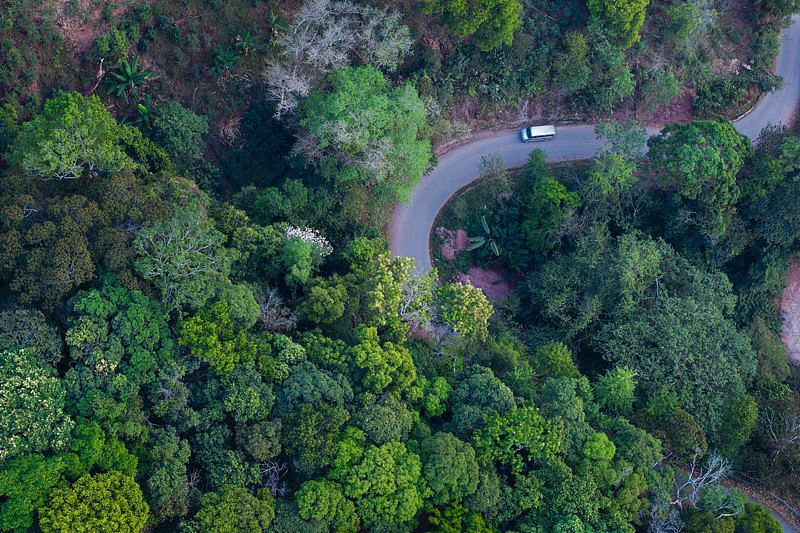
Last April, I pulled off the main Dali ring road in a 1.5L VW Lavida, wind whipping through the open window, and spotted a strip of tarmac tucked between a stand of willows and the lake’s shore. The water was that pale, milky blue you only get an hour after sunrise, and there wasn’t a parking attendant in sight. I’d spent the previous 45 minutes circling a crowded official car park 2 kilometres back, watching coach loads of tourists pile out and block every unobstructed view of the water, and I was this close to giving up and driving back to my guesthouse. That spot wasn’t marked with a single blue residential permit sign, no painted lines even, and I ended up sitting there for two hours, drinking jasmine tea from my thermos, watching local fishermen mend their nets right on the shoreline. That’s the kind of spot no map app will flag for you, and the kind of find that makes a Yunnan self-drive rental for foreigners feel like the best decision you’ve made all trip.
I’ve done this stretch four times now, and I’ve learned that most of the unmarked free spots aren’t accidents. They’re little pull-offs left by road maintenance crews, or old access tracks to disused fishing jetties, that the local council hasn’t gotten around to painting lines on yet. The catch? A lot of them do have tiny, easy-to-miss signs in Chinese only that mark them as for local residents only. I’ve made the mistake of pulling into one once, and a very nice older lady who lived in the nearby village came over and gestured for me to move, no anger, just a clear shake of the head. I apologised, reversed out slowly, and found a better spot 300 metres further west that didn’t have any signs at all. No fine, no hassle, but it taught me to slow down and scan the verges properly before I turn the engine off. Yunnan self-drive rental for foreigners has one bottleneck, and this is it.
How to Spot the Non-Residential Spots Before You Stop
It’s not rocket science, but it’s easy to miss if you’re staring at your navigation instead of the road ahead. The resident-only spots almost always have a small red or blue sign nailed to a wooden post or stone wall, usually at head height, with white Chinese characters on it. They’re almost never placed where you can see them from the main road, you only spot them once you’ve turned into the pull-off. The spots you want are the ones that have tyre tracks leading off the main road, worn a little into the grass at the edges, with no signage of any kind. I’ve found most of them on the western shore of Erhai, between Xizhou and Shuanglang, where the road curves close enough to the water that you can park and step straight onto a small pebbly beach. Last trip I found one that was big enough for three cars, completely hidden by a line of oleander bushes, and I had an unobstructed view of the Cangshan mountain range reflected in the lake at sunset that I haven’t seen a single photo of online. That is the side of Kunming airport car rental for foreigners the brochures leave out.
Don’t park on the grass, by the way. Even if it looks firm, a lot of the shoreline is damp just under the surface, and I saw a small saloon car get stuck there last spring. The driver had to flag down a passing tractor to pull them out, and I can tell you if that was your fault, towing for a client-caused reason is at the client’s expense. Stick to the hard packed tarmac or compacted gravel, and you’ll be fine. Everyone I know who has dealt with Yunnan self-drive rental for foreigners tripped on this.
Prepping Your Rental Before You Leave Kunming
I always tell people to pick up their car as soon as they land, rather than waiting until they get to Dali. Kunming airport car rental for foreigners is straightforward, and it means you don’t have to mess around with local buses or expensive private transfers once you step off the plane. The process is simple, no hoops you can’t clear easily. A China temporary driving licence can be arranged for 1500 without the client attending in person, so you can sort that out before you even leave your home country, and it’ll be waiting for you when you turn up to pick the keys up.
I usually go for the VW Lavida 1.5L, which comes in at 260 per day, with a 3000 rental deposit and unlimited mileage. That’s more than enough power for the Dali to Lijiang mountain roads, and it sips petrol so you won’t be stopping every hour to fill up. If you’re planning on heading further up to Shangri-La, though, the Tank 300 2.0T is a solid pick, at 400 per day, 5000 rental deposit, with a 300 km per day limit. I took that up the winding mountain road to the Yangtze bend last autumn, and the extra torque made short work of the steep hairpins, no slipping at all. The tricky part of Kunming airport car rental for foreigners is always the bit nobody explains.
Don’t stress too much about the deposit. The rental deposit is refunded 5-7 working days after return, once a traffic-fine check is complete, no hidden hoops. Insurance includes compulsory and commercial cover, and the rules are clear too. Minor scratches under 1500 are paid by the client; damage above 1500 goes through insurance with the client bearing 30%. Scratches that do not damage the primer are free; no downtime or depreciation charges for paintwork or replaced parts; downtime is waived within 5 days for major damage. If the vehicle breaks down for a mechanical reason, we cover it. Just remember the booking deposit of 600 is non-refundable if you cancel for personal reasons, so plan your dates with a little leeway if you can.
One thing I will say: don’t book a one-way drop off unless you really need it. The one-way return fee if you’re leaving the car in Lijiang is 1500, which adds a fair bit to your total, so I’d usually recommend driving the loop back to your original pickup point if you can spare the two extra hours on the road.
Why Dali Lijiang Car Rental for Foreigners Beats Any Other Way to See the Area
I’ve done this trip by bus, by private hire car, even by bicycle once (don’t do that in July, the midday sun will melt the soles of your shoes), and nothing comes close to the freedom of having your own set of wheels. The public buses only stop at the big, touristy villages, and the private drivers will almost always try to steer you to the overpriced viewpoints that pay them a commission. When you’re driving yourself, you can pull over at that random unmarked parking spot I told you about, stay there until the sun dips below the Cangshan peaks, and then keep driving north to Lijiang whenever you feel like it, no schedule, no one waiting for you.
I was with a friend last May, we’d been on the road for three hours, and we spotted an unmarked pull-off just north of Dali Old Town. We parked, walked 50 metres down a dirt path, and found a small family-run tea house right on the lake shore that didn’t have a single review online. We sat there for three hours, drinking local erhai tea, talking to the owner who grew all his own plants in the garden behind the house. We never would have found that place if we’d been on a bus, or if we’d had to follow a pre-planned itinerary.
Navigation is straightforward, even if you don’t read Chinese. The main ring road around Erhai is well signposted, all the major routes to Lijiang are clearly marked, and the mountain roads are well maintained, no potholes big enough to damage your tyres. I don’t recommend driving after dark, though. There are a lot of unlit farm vehicles on the roads after sunset, and the mountain bends don’t have guardrails in a few sections. Set off early in the morning, when the light over the lake is soft, and you’ll have the whole road almost to yourself for the first few hours.
A quick tip for the parking spots: if you see a local parked there, with no permit visible, that’s a good sign it’s not resident-only. Give them a small wave, they’ll almost always give you a nod back to say it’s fine. I’ve never had a problem with any local resident when I’ve parked in the right spots, most of them are just happy to see people enjoying the lake without making a mess. Just take your rubbish with you, don’t play loud music, and you’ll be left completely undisturbed.
Last time I was there, I parked in one of those spots at 6am, rolled the driver’s seat back, and napped for an hour while the sun came up over the lake. A group of local elders walked past, carrying their fishing nets, and one of them gestured at my thermos, made a drinking motion, and laughed. I poured him a cup of tea, we sat there for ten minutes, no shared language, just sipping tea and watching the herons fish in the shallow water. That’s the kind of small, perfect moment you don’t get when you’re herded from one tourist site to the next.
The popular self-drive routes are around Kunming, Dali, Lijiang and Shangri-La in Yunnan, and there’s no better way to explore them than with your own rental car. Pickup and return at the airport or city office is easy, the checklist at pickup is straightforward, no confusing paperwork. I’ve done this trip so many times now, I don’t even use a map for the Erhai shoreline anymore, I just follow the curve of the lake, keep an eye out for the tyre tracks in the verge, and I always find a new spot I haven’t seen before.
Don’t overplan it. Half the best bits of a self-drive trip in Yunnan are the unplanned stops, the random parking spot with a view you didn’t know existed, the small tea house you stumble on by accident. Slow down, keep your eyes on the verges, and you’ll find more than enough free, quiet spots to sit and watch Erhai Lake go by, no permits, no fines, no crowds.