Why I Skip Bus Tours For Erhai Shore Stops
Last October, I pulled off the main Dali dual carriageway 10 minutes north of Shuanglang, sun glinting off Erhai’s silver surface so bright I had to squint through the windscreen. I was behind the wheel of a 1.5L VW Lavida, fresh off a two-hour drive from Dali Old Town, and my usual pre-booked chain car park was full of tour coaches, the air thick with exhaust and loud speaker announcements. A silver-haired woman in a indigo embroidered apron waved me through a wooden gate half-hidden by jasmine, pointing to a patch of level tarmac right at the edge of her garden. That was the first time I realised you don’t have to pay over the odds for parking if you know where to look, and that the best spots for Erhai sunrises are never listed on mainstream travel apps. Kunming airport car rental for foreigners has one bottleneck, and this is it.
I’ve done this route half a dozen times now, and I’d never go back to being herded between viewpoints on a scheduled coach. The stretch of shore between Xizhou and Shuanglang has little coves where you can sit and watch cormorants fish at dusk, old stone fishing jetties that see barely a handful of visitors a day, and family-run guesthouses that let you step straight from your bedroom path onto the lakeshore without crossing a single busy road. But if you’re a foreign visitor, sorting out the logistics of getting your car in the first place takes a little prior planning, and that’s where a lot of first-timers trip up. That is the side of Yunnan self-drive rental for foreigners the brochures leave out.
Sorting Your Rental Before You Leave Kunming
The first time I planned this trip, I spent three days scrolling through forums trying to work out how to get a legal car as a non-resident. I quickly learned that Yunnan self-drive rental for foreigners isn’t something you can book through international platforms, and that the process is far simpler when you arrange it with a local provider who knows the rules for overseas visitors.
Last spring, I flew into Kunming Changshui on a red-eye, bleary-eyed and hauling a rucksack stuffed with waterproofs and hiking boots, and walked straight to the pickup desk right in the airport arrivals hall. Kunming airport car rental for foreigners is set up for exactly this kind of last-minute arrival, and I didn’t have to traipse across half the city to a distant office to sign paperwork. The team had already prepped the China temporary driving licence for 1500, no need for me to attend in person, so I was sitting in the driver’s seat of that same reliable Lavida 20 minutes after I cleared the arrivals doors.
The rates are straightforward, no hidden add-ons. The 1.5L VW Lavida or 1.4T Jetta come in at 260 per day, with a 3000 rental deposit and unlimited mileage, which is perfect if you’re pootling along the Erhai shore and don’t need extra power for high mountain passes. If you’re planning to head further up to Shangri-La after Dali, the 2.0T Tank 300 is 400 per day, with a 5000 rental deposit and a 300 km per day limit. I took the Tank 300 up to a remote meadow outside Shangri-La last trip, and the extra clearance made short work of the unpaved side roads, but for the Shuanglang shore stretch, the smaller petrol cars are more than enough, and far easier to manoeuvre down the narrow village lanes.
One thing I learned the hard way: if you’re ending your trip in Lijiang instead of looping back to Kunming, the one-way return fee is 1500. I tried to haggle it once, after a long day driving through rain, and the staff just showed me the paperwork for the driver who has to go and collect the car and bring it back to base. Fair enough, I thought, it’s a long drive back.
There’s a 600 booking deposit that’s non-refundable if you cancel for personal reasons, so I always double check my travel dates before I lock that in. The rental deposit gets refunded 5-7 working days after you return the car, once they’ve run the traffic fine check, and the insurance includes both compulsory and commercial cover. Minor scratches under 1500 are paid by you, damage above that goes through insurance with you covering 30%, but scratches that don’t damage the primer are completely free. There are no downtime or depreciation charges for paintwork or replaced parts, and downtime is waived within 5 days for major damage, which is a huge relief if you’re worried about scraping a side mirror on a narrow stone lane in Dali Old Town. If the car breaks down for a mechanical fault, that’s all covered, but towing for a client-caused mistake comes out of your pocket. I know someone who drove off the edge of a village track into a ditch outside Xizhou last year, and that towing bill was a lot more than a day’s rental. Don’t be that person.
Driving Down To Dali, Then Hunting For That Perfect Parking Spot
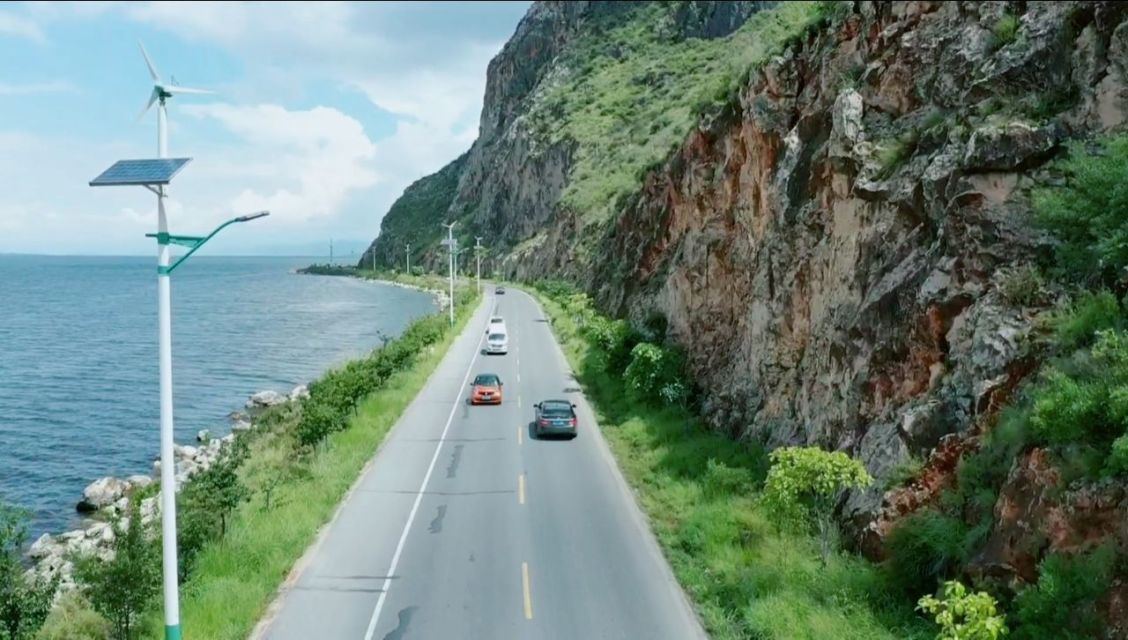
The drive from Kunming to Dali is around three and a half hours, mostly on smooth dual carriageway, with the red soil hills rolling past your window, dotted with white pagodas and tea plantations. By the time you hit the Erhai ring road, the air has softened, the eucalyptus trees are scenting the breeze, and all you want to do is pull over and sit by the water.
That’s where Dali Lijiang car rental for foreigners really comes into its own. You’re not tied to any bus timetable, you don’t have to haul your suitcase onto a local minibus, and you can veer off down any unmarked side lane that looks like it leads to a quiet bit of shore. The stretch north of Shuanglang is my favourite part of the whole lake, far quieter than the built-up areas around the south bank, where the old fishing villages still hum with daily life, not just tourist bars.
Most of the big official car parks around Shuanglang charge by the hour, and if you’re staying two nights, that adds up to far more than you want to pay. The family-run guesthouses tucked along the unmarked lanes just back from the shore almost all have small, private parking patches that they reserve for their guests, and many of them are happy to let you park your car right on their land, for a fraction of the official car park price, sometimes even for free if you’re booking a room for two nights or more.
Last October, when that lady in the indigo apron waved me in, I parked the Lavida right under a pear tree, its branches heavy with small green fruit, 10 steps from a little stone path that led straight down to a quiet, pebbly cove on Erhai. The guesthouse only had six rooms, all with wooden balconies looking out over the water, and the owner brought me a cup of wild chrysanthemum tea as soon as I dropped my bags. I didn’t have to get in the car once for the whole 48 hours I stayed there. I walked down to the shore at 6am to watch the sun come up over the lake, ate grilled fish at a tiny roadside stall 5 minutes away, and sat on the balcony until midnight listening to the crickets. The parking cost me nothing extra.
Not all of these guesthouses list their parking on booking sites, though. A lot of them don’t even have websites. The trick is to drive slowly down the small side lanes that run parallel to the lakeshore, well away from the main Shuanglang tourist strip, and look for the guesthouses that have a patch of open, level ground beside their main building. Pop your head in the door, ask if they have space for your car, and most of the time the owner will nod, gesture to the spot, and offer to show you the room rates. A lot of these spots are so close to the shore that you can roll your window down at night and smell the lake water.
There are a few small rules to bear in mind, though. Don’t block the access lane for other villagers, don’t park on any planted vegetable beds, and if the owner asks you to move your car a little to make space for their own tractor, just do it. These are people’s homes, not commercial car parks, and being polite goes a very long way. I once shared a bottle of local rice wine with an elderly guesthouse owner after dinner, and he took me out in his small wooden fishing boat at sunrise the next morning, something no tour company would ever have offered me.
Later in the trip, when I drove up the Lijiang, I stayed in a similar family spot just outside the Old Town, with parking tucked behind a courtyard full of peonies. Dali Lijiang car rental for foreigners opens up all these tiny, unmarked spots that you would never find if you were travelling on public transport, and the whole experience feels far more rooted in the place, rather than just ticking off the main tourist sights.
Final Quick Checks Before You Set Off
Navigation is straightforward enough, once you get used to the local place names popping up on the screen. I always snap a photo of the rental car’s fuel gauge and body for scratches before I drive away from the pickup point, so there’s no confusion later on. All the cars are petrol, no electric vehicles, so you never have to hunt for a charging point out on the remote country lanes. The popular self-drive routes around Kunming, Dali, Lijiang and Shangri-La are all clearly signed, and the roads are in good condition for most of the year, though you’ll want to take extra care if you’re travelling in the rainy season, when some of the higher mountain roads can get slippery.
I still meet overseas travellers in Dali Old Town who tell me they thought it was impossible to self-drive in Yunnan. That’s never been the case, not if you go through the right local provider. Yunnan self-drive rental for foreigners gives you the freedom to slow down, to stop for an hour to watch a herd of goats cross the road, to linger at that quiet lakeside cove until the sun dips below the Cangshan mountains, no one rushing you to get back on a bus. You don’t have to stick to the standard itineraries. You can make your own route.
I’m already planning my next trip back this autumn. I’ve got my eye on a little guesthouse I spotted last time, even further north along the shore, where the owner grows her own oranges in the garden. I’m going to book the Lavida again, drive slow, and park right under the orange trees, 10 steps from the water.