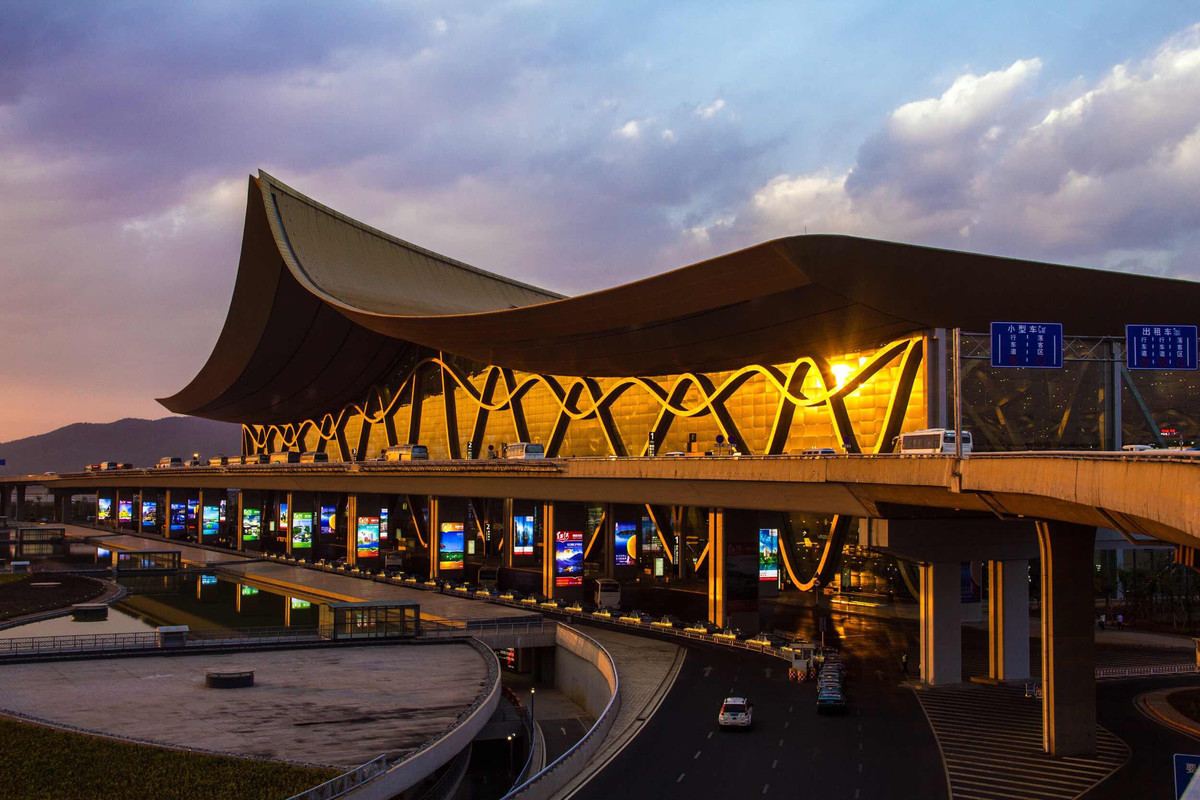
My early morning Erhai lakeside picnic find, no crowds in sight
I’d pulled off the tarmac an hour before sunrise last October, the air sharp enough to make my knuckles pink through the open car window, and the only sound the low lap of Erhai’s water against smooth, grey limestone. I’d been staying in Dali for three days already, and every popular lakeside spot I’d tried had been packed by 9am with tour groups, selfie sticks held high, no space to lay a blanket without bumping elbows. That morning, I’d turned down an unmarked dirt track I’d spotted the day before, parked the 1.5L VW Lavida well off the grass, and walked 50 metres to a small, curved cove where willow fronds brushed the water’s surface. I pulled the cold steamed buns and jar of wild honey I’d picked up from a local stall the night before out of my backpack, and sat there for two full hours without seeing another soul. It hit me then that most visitors to Dali never find spots like this, because they don’t have the flexibility to drive outside the main tourist corridors, and most overseas travellers never even realise that self-driving around this part of Yunnan is a real, accessible option. Yunnan self-drive rental for foreigners has one bottleneck, and this is it.
Sorting out your rental before you hit the lakeside roads
I’ve spoken to so many overseas visitors who assume you can’t rent a car to drive around Yunnan as a foreign national, and that’s the first myth to bust. I’d arranged my paperwork and vehicle through a local operator, no hoops to jump through in person, and the whole process was smoother than I’d expected. A China temporary driving licence can be arranged for 1500 without the client attending in person, so you don’t have to carve extra time out of your holiday to sit in an office somewhere sorting forms. I picked my car up straight from the arrivals hall forecourt, and that’s where the first of the practical wins lands: Kunming airport car rental for foreigners means you can jump straight behind the wheel the second you collect your luggage, no faffing with bus connections across the city to a distant rental office. That saved me almost two full hours on my first trip, time I used to stop for a bowl of crossing-the-bridge noodles halfway to Chuxiong before the rush hour hit.
I went for the VW Lavida 1.5L petrol model, which costs 260 per day, with a rental deposit of 3000 and unlimited mileage. That’s perfect for the eastern Erhai shore roads, which are mostly well-paved, no steep gradients or rough tracks to navigate. If you’re planning to veer off onto some of the higher, less maintained roads further north towards the villages past Shuanglang, you might want to consider the Tank 300 2.0T, which comes in at 400 per day with a 5000 rental deposit and a 300km per day limit. Just remember that if you’re dropping the car off in Lijiang at the end of your trip, there’s a one-way return fee of 1500 to factor in. I didn’t need that on this last trip, I looped back to Dali to drop the car off, but a friend of mine did the Dali to Lijiang run last spring and said the convenience of not having to backtrack made the fee well worth it. That is the side of Kunming airport car rental for foreigners the brochures leave out.
Yunnan self-drive rental for foreigners opens up routes you’d never reach on public transport, and the eastern shore of Erhai is the perfect place to test it out. Most tour buses stick to the western ring road, stopping at the big, well-known viewing platforms where the cafes charge three times the local price for a can of iced tea. The eastern shore gets barely a fraction of that traffic, especially before 10am on weekdays, and there are dozens of little pull-offs, quiet coves and shaded clearings that are only accessible if you have your own set of wheels.
The rules you need to know before you turn the key
I made a silly mistake on my first ever Yunnan self-drive trip, I scraped the side of the car against a low stone wall while reversing out of a village lane, and I had no idea what the damage policy covered until I called the operator to check. Let me save you that same panic. Insurance includes compulsory and commercial cover, but minor scratches under 1500 are paid by the client, while damage above 1500 goes through insurance with the client bearing 30%. Scratches that don’t damage the primer are free, which took a weight off my shoulders when I realised my little scrape was only a light mark on the clear coat. There are no downtime or depreciation charges for paintwork or replaced parts, and downtime is waived within 5 days for major damage, which is a far better deal than I’ve found on rental services in a lot of other countries. The rental deposit is refunded 5-7 working days after you return the vehicle, once the traffic fine check is complete, so don’t panic if you don’t see the money hit your account the second you hand the keys back. The only other fee to note is that a booking deposit of 600 is non-refundable if you cancel for personal reasons, so I’d only lock in your dates once your flights are fully confirmed. Everyone I know who has dealt with Yunnan self-drive rental for foreigners tripped on this.
One more thing. If the vehicle breaks down for a mechanical reason, that’s fully covered, but towing for a client-caused reason is at the client’s expense. I learnt that one the hard way when I tried to drive down a very muddy track after a heavy rainstorm, got stuck in the mud, and had to call a local farmer with a tractor to pull me out. Worth every penny to get back to the main road, but it was a mistake I won’t make twice. The tricky part of Kunming airport car rental for foreigners is always the bit nobody explains.
Finding those quiet picnic spots, no crowds allowed
Dali Lijiang car rental for foreigners isn’t just for driving between the two cities. It’s for the slow, unplanned detours that turn a good trip into a memorable one. Last October, I left my Dali guesthouse at 5.30am, when the sky was still streaked pale pink and the cuckoos were calling from the hills above the old town. I took the eastern shore road north past the new Dali city, away from the crowds around the popular western shore viewing points, and within 20 minutes I was on a quiet two-lane road that runs right alongside the lake, with almost no other cars on it. I stopped at three different spots that morning, all completely empty, perfect for picnics.
The first is a small clearing under a stand of eucalyptus trees, about 12km north of the new Dali port. There’s space to pull two cars off the road, a flat grassy bank that slopes gently down to the water, and a few large smooth boulders you can use as a makeshift table. I laid my blanket out there, ate a peach I’d bought from a roadside stall, and watched the local fishermen push their small wooden boats out onto the lake to set their nets. Not a single tourist passed for almost an hour.
The second spot is a little further north, just past a tiny village where the locals sell homemade pickled plums from stalls outside their front gates. There’s a small, unmarked concrete slipway for fishing boats, and the water here is so clear you can see small silver fish darting around the stones under the surface. I brought a thermos of hot pu’er tea with me, and sat there watching the sun rise over the distant Cangshan mountains, the light glinting off the water so bright I had to put my sunglasses on. I met one local grandmother there, gathering wild mint from the edge of the shore, who gave me a small handful to add to my tea. We communicated mostly through hand gestures, but she laughed when I showed her my picnic spread, and gestured for me to stay as long as I liked.
The third spot is a 10 minute drive south of Shuanglang, tucked behind a small bamboo grove. Most visitors to Shuanglang never walk far enough south to find it, because they’re all crowded around the main old town promenade taking photos of the lake. There’s a shallow sandy patch of shore here, perfect for wading if the weather’s warm enough, and the bamboo grove gives you total shade even in the middle of the day. I’ve brought friends here for lunch on a weekday, and we’ve stayed until 2pm without seeing more than two or three local cyclists pass by on the road above.
The trick to keeping these spots quiet is to visit outside peak hours. Weekends and national holidays will see more local visitors out driving the eastern shore, so aim for a weekday, arrive before 9am, and you’ll almost certainly have the whole place to yourself. Bring your own food and drink, because there are almost no cafes or shops along this stretch of road, and remember to take all your rubbish away with you. These little coves are some of the most unspoilt bits of Erhai left, and it’s up to everyone who visits to keep them that way.
Don’t try to follow a strict schedule. The best moments on this stretch of road are the unplanned ones. I once stopped to help a local man fix a puncture on his tractor, and he invited me back to his house for a lunch of home-grown potatoes and fried eggs. I would never have met him if I’d been on a tour bus, rushing to get to the next scheduled stop before the rest of the group.
I don’t recommend trying to drive these roads after dark, though. There are unmarked speed bumps, stray dogs wandering across the tarmac, and a lot of cyclists with no lights. Stick to driving between sunrise and sunset, take it slow, and you’ll be fine.