Arriving at Kunming Airport With 40kg of Hiking Gear
I stepped off the red-eye from Chiang Mai last October, my hiking boots still caked in the red dust of Doi Inthanon, and hauled two overstuffed 100-litre kit bags, a full-size carbon fibre tripod, three camera bodies, a 200-500mm telephoto, and a folded lightweight camping stove through the arrivals hall. The Yunnan sun was slanting low through the terminal glass, sharp enough to make my eyes water after 12 hours of cabin gloom, and I realised with a quiet groan that the small hatchback I’d half-booked on a generic international rental site three weeks prior would never fit all my gear, not even if I strapped a bag to the passenger seat and wedged the tripod between the front seats. Yunnan self-drive rental for foreigners has one bottleneck, and this is it.
I’d done this stretch a dozen times before, but I’d never landed with this much photography gear, and the thought of hauling it all on public buses up to Dali’s Cangshan Mountain trails, then on to the tiger leaping gorge viewpoints, felt like a special kind of self-inflicted punishment. That’s when I remembered the local service I’d used two years prior, that does Kunming airport car rental for foreigners, and that specialises in kitting vehicles out with extra roof rack space for exactly this kind of overloaded hiking and camera kit. That is the side of Dali Lijiang car rental for foreigners the brochures leave out.
I wandered over to the pickup desk near the domestic arrivals exit, and the member of staff on duty didn’t even blink when I dumped both kit bags on the counter and gestured at the tripod sticking out the top of one. They said they could fit an extended, lockable roof rack to any of the available vehicles, no extra hidden charge for the rack itself, as long as I specified the need when I confirmed my booking 48 hours in advance. Everyone I know who has dealt with Yunnan self-drive rental for foreigners tripped on this.
What Vehicles Work Best For Gear-Heavy Trips
I’ve made the mistake of picking the wrong car for a Yunnan high-altitude drive before. Once, I took a 1.2L hatchback up the winding road from Lijiang to Shangri-La, and it laboured so hard past 3000m that I had to pull over three times to let the engine cool, while a line of local farm trucks overtook me, their drivers grinning and waving. That’s a mistake you don’t want to make when you’ve got 10kg of camera gear in the boot and a dawn shot of a mountain lake you’re desperate to catch. The tricky part of Kunming airport car rental for foreigners is always the bit nobody explains.
The two petrol options that work perfectly for most travellers are the VW Lavida 1.5L and Jetta 1.4T, both 260 RMB per day, with a 3000 RMB rental deposit and unlimited mileage. I took the Jetta 1.4T on my most recent trip, and even fully loaded with gear on the roof and two passengers, it pulled the steep switchbacks up to Erhai Lake’s west bank without any protest. The extra roof rack locks securely, so you don’t have to worry about your gear shifting on the gravel side tracks that lead to some of the lesser-photographed rice terrace viewpoints south of Dali.
If you’re planning to head further up some of the rougher unpaved tracks that lead to remote hiking trailheads outside Shangri-La, the Tank 300 2.0T is the sturdier option, at 400 RMB per day, with a 5000 RMB rental deposit and a 300 km per day limit. I drove one of these last spring, when I was heading out to shoot the rhododendron blooms in the hills around Haba Snow Mountain, and the extra ground clearance saved me from getting stuck in a patch of soft meltwater mud that I would have definitely got a smaller car stuck in. The roof rack on the Tank 300 is wide enough to fit two full kit bags strapped side by side, leaving the entire boot free for sleeping bags, food supplies, and any fragile camera gear you’d rather keep inside the cabin.
There are no electric vehicles in the fleet, which I’m personally very glad about. You don’t want to be hunting for a charging point on a remote mountain pass 40km from the nearest town, when you’ve got a dawn shot to make.
Sorting Your Temporary Driving Licence
Let’s get this bit clear first. You can’t use an international driving permit here. A China temporary driving licence can be arranged for 1500 RMB without the client attending in person, which takes all the hassle out of the process. I’ve seen other travellers waste a full day of their holiday queuing at a traffic office to sort paperwork, so this bit is a huge time saver. You just hand over the required copies of your passport and home driving licence when you send in your booking details, and everything is processed before you land, so you can pick up the keys straight from the airport desk without any extra detours.
I made a daft mistake on my first trip, where I forgot to send a clear scan of my home driving licence, and it delayed the processing by a few hours. I sat drinking terrible instant coffee in the airport cafe, watching other self-drive travellers head out onto the Kunming ring road, and promised myself I’d never make that slip up again. Just double check your scans are legible before you send them, and you won’t run into that same frustration.
This is where Yunnan self-drive rental for foreigners stands apart from the generic international rental platforms that operate in major Chinese cities. Most of those bigger companies don’t cater specifically to people heading out on multi-day mountain drives, and they don’t have the local knowledge to walk you through exactly what paperwork you need to have sorted before you arrive.
Working Out Routes and One-Way Fees
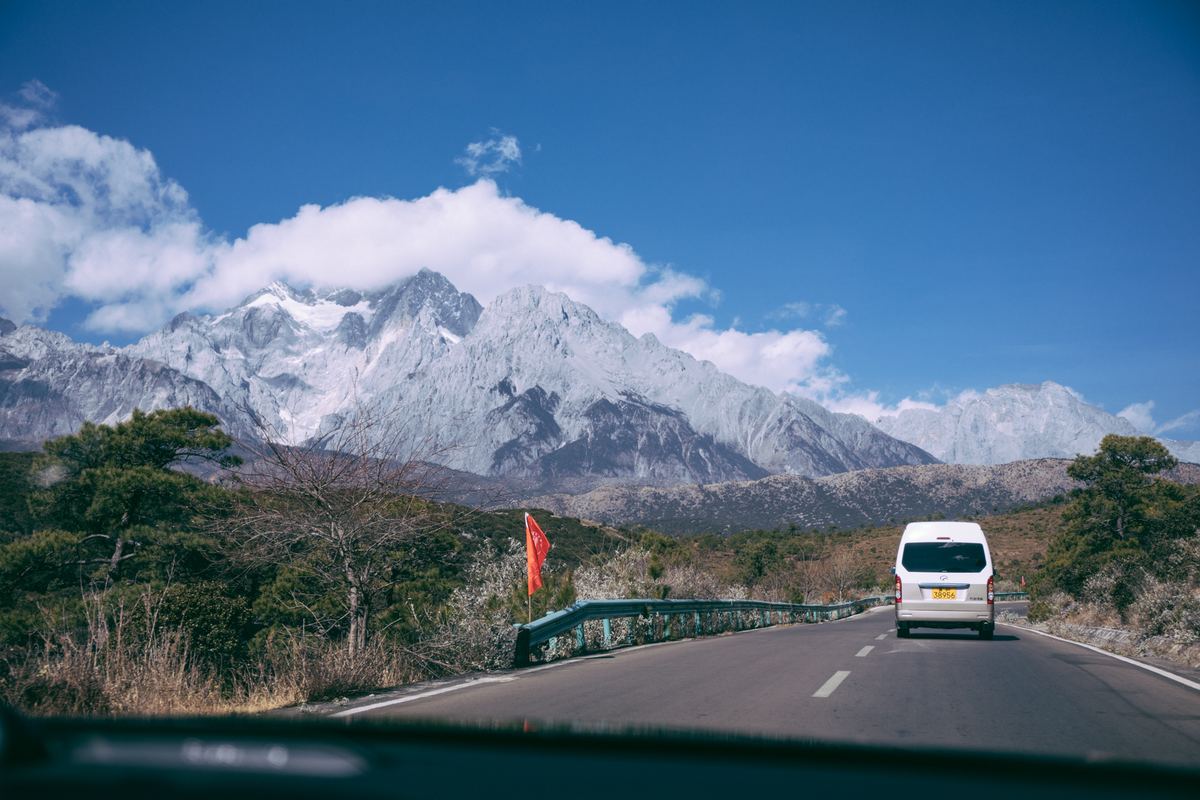
The most popular routes loop up from Kunming, through the red soil hills to Dali, then on past the ancient villages to Lijiang, and further north to Shangri-La. If you don’t want to drive all the way back to Kunming at the end of your trip, you can drop the car off at Lijiang instead, for a one-way return fee of 1500 RMB. I did this last time, after 10 days on the road, and it saved me a full 8 hours of tiring highway driving that I would have much rather spent sitting in a Dali courtyard drinking pu’er tea, or squeezing in one last short hike up Cangshan.
Dali Lijiang car rental for foreigners works just as smoothly if you decide to pick up a vehicle closer to those old towns, but landing in Kunming and starting your drive there lets you ease yourself into the rhythm of Chinese road rules, before you hit the winding mountain roads further north. The traffic around Kunming’s outer ring road is steady, no sudden unexpected hairpins, so you can get used to how the car handles before you start tackling the more challenging stretches of road around Erhai Lake.
I’ve met a lot of travellers who try to cram the entire Kunming to Shangri-La loop into 5 days, and they end up exhausted, missing the sunrise shots they travelled all that way to get. Take it slow. Stop at the small roadside noodle stalls halfway between Kunming and Dali, try the local goat cheese, and don’t rush. The unlimited mileage on the smaller cars means you don’t have to watch the odometer like a hawk, stopping whenever you spot a stretch of road that looks like it leads to a good photography spot.
Deposits, Insurance and Fine Print You Actually Need To Know
I don’t normally bother reading all the small print on rental agreements, but after a friend of mine got stung with a huge unexpected bill for a tiny scratch that the rental company claimed had damaged the primer, I started paying attention. All the insurance here includes compulsory and commercial cover, and there are a few very fair rules that are worth knowing before you sign anything.
Minor scratches under 1500 RMB are paid by the client, but any scratches that do not damage the primer are free, which is a huge relief if you brush past a stray bush on a narrow mountain track. Damage above 1500 RMB goes through insurance, with the client bearing 30% of the cost. There are no downtime or depreciation charges for paintwork or replaced parts, and downtime is waived within 5 days for major damage. That’s a lot more lenient than most of the international rental firms I’ve used elsewhere in the world.
The rental deposit, either 3000 RMB or 5000 RMB depending on which vehicle you pick, is refunded 5-7 working days after you return the car, once the full traffic fine check is complete. I got mine back 6 days after I dropped the car off in Lijiang last trip, no hidden deductions, no hoops to jump through. The 600 RMB booking deposit is non-refundable if you cancel for personal reasons, though, so bear that in mind before you confirm if your travel plans are still a little up in the air.
If the vehicle breaks down for a mechanical reason, that’s fully covered. Just call the support line, and someone will come out to help. Towing for a client-caused reason, like if you drive off the edge of a track and get stuck in mud, is at the client’s expense. I saw a tourist get their 4x4 stuck in a rice paddy outside Dali last spring, and it took three local farmers and two buffalo to pull them out. Don’t be that person.
When you pick the car up, do the full walkaround check with the member of staff, point out every tiny existing mark, take photos if you want to, and make sure the navigation is set up to the language you prefer. Check the roof rack bolts are tightened properly before you load all your gear up. I once skipped that last step, and had to pull over 20 minutes outside Kunming to retighten a loose bolt that was rattling so loud I could hear it over the radio.
It’s a tiny, boring step, but it saves you a whole lot of hassle later on.
That’s all there is to it. No hoops, no unnecessary paperwork, just a solid, well-maintained car with enough roof space to carry all your hiking and photography gear, so you can spend your time chasing sunsets and mountain views, not hauling heavy bags on public transport.