Dali Lijiang Car Rental for Foreigners: The Quiet Backroad to Heqing You’ve Not Seen
I first stumbled on this stretch of tarmac back in late July, when the monsoon rains had softened the edges of Dali’s Cangshan foothills and the rice fields stretched bright, electric green as far as the eye could see. I’d pulled off the main Dali to Lijiang highway, sick of the slow crawl of tour buses and the blare of loudspeaker announcements at every viewpoint, and followed a narrow sign pointing to a village called Xizhou. Before I knew it, I was on a road no one in my group’s pre-trip research had marked, flanked on one side by water villages where old women washed bamboo baskets in stone canals, and on the other by terraced rice paddies where herons stood stock still, waiting for small fish to swim past.
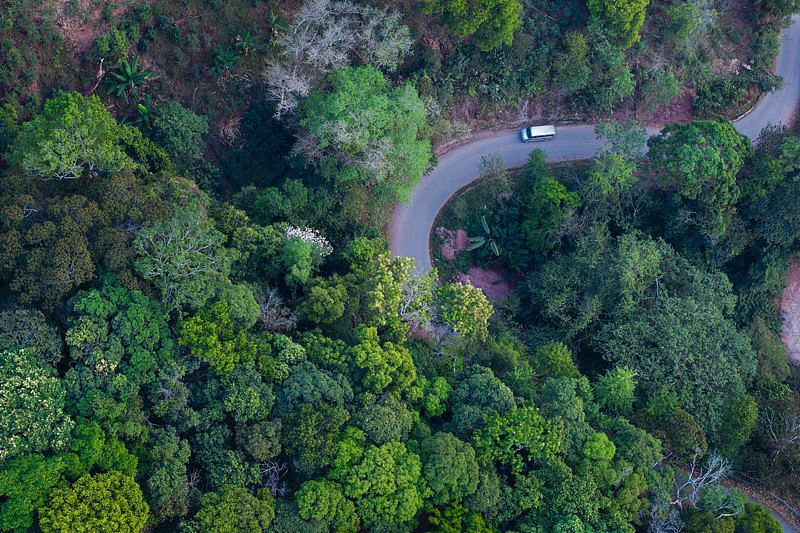
This 70-kilometre backroad from Dali to Heqing is the kind of drive that makes all the early mornings and navigation faff worth it. You won’t find crowds of selfie sticks, no overpriced coffee shops with neon signs, just the slow, soft rhythm of rural Yunnan unfolding at the pace you choose. And the best part? You can stop anywhere you like, no timetable, no driver waiting to rush you back to the bus.
Getting Your Rental Sorted Before You Set Off
I’ve lost count of the number of overseas travellers I’ve met wandering Dali’s old town, frustrated because they assumed they could just turn up at a random rental kiosk and drive out the same day. It doesn’t work that way, but the process is far simpler than most people fear. A China temporary driving licence can be arranged for 1500 without the client attending in person, so you can get all the paperwork sorted before you even land, no awkward last-minute trips to local offices.
Yunnan self-drive rental for foreigners is set up specifically for visitors who want to skip the standard tour bus routes, and there are pick-up points right across the region to suit your itinerary. If you’re flying in first, Kunming airport car rental for foreigners lets you grab your vehicle as soon as you step out of arrivals, so you don’t have to drag your luggage across town to a city office before you start exploring. I’ve done that both ways, and grabbing the car straight at the airport saves at least an hour of faff after a long international flight.
Let’s talk vehicle options, because I’ve tested both the common petrol models on these roads and I know what works. The VW Lavida 1.5L or Jetta 1.4T petrol comes in at 260 per day, with a rental deposit of 3000 and unlimited mileage, which is perfect for this Heqing backroad. The tarmac is smooth all the way, no potholes deep enough to swallow a small suitcase, so you don’t need anything bigger. If you’re planning to push on up into the hills around Shangri-La after Heqing, though, the Tank 300 2.0T is a solid bet, at 400 per day with a 5000 rental deposit and a 300 km per day limit. I took the Lavida on this exact route last summer, and it hummed along no problem even when I detoured down a tiny lane to watch a group of villagers harvest water chestnuts by hand.
There’s a one-way return fee of 1500 if you drop the car off in Lijiang at the end of your trip, which is ideal if you don’t want to double back to Dali after exploring Heqing’s ancient ponds. The 600 booking deposit is non-refundable if you cancel for personal reasons, so I’d hold off locking it in until your flights are confirmed.
The rental deposit is refunded 5-7 working days after return, once a traffic-fine check is complete, and all vehicles come with compulsory and commercial cover. A quick note on damage rules, because I’ve had friends who’ve panicked over a tiny scratch before: minor scratches under 1500 are paid by the client, damage above 1500 goes through insurance with the client bearing 30%, and scratches that don’t damage the primer are free. There are no downtime or depreciation charges for paintwork or replaced parts, and downtime is waived within 5 days for major damage. If the vehicle breaks down for a mechanical reason, it’s covered, but towing for a client-caused reason is at the client’s expense. I scraped a wing mirror on a stray bamboo pole sticking out of a farmer’s cart last trip, and the whole process was sorted in 10 minutes at the return desk, no hidden hoops to jump through.
The Drive: Dali to Heqing, Slow Lane All The Way
Leave Dali after a slow breakfast of erkuai rice cakes and sweet milk tea, around 9am, when the low sun is gilding the tops of Cangshan and the road is still cool under your tyres. You’ll turn off the main Dali-Lijiang highway just north of Xizhou, at the small junction marked by a giant old banyan tree where an old man sells cold sour plum drinks from a wicker basket. That’s the turn you don’t want to miss.
For the first 10 kilometres, the road winds between rice fields so green they hurt your eyes in the sun. Local farmers cycle past you with baskets of seedlings strapped to the back of their bikes, and children run along the canal banks chasing white ducks. I pulled over once, sat on a low stone wall, and watched an old man lead a water buffalo through the paddy for 20 minutes, no one bothered me, no one tried to sell me anything. That’s the magic of this route. You don’t get that on the main highway.
Halfway along, you’ll pass a cluster of small water villages where the houses are built right up to the edge of the irrigation canals. Wooden footbridges arch over the water, and women lay bright blue and red embroidered clothes out on the stone banks to dry. There’s no formal car park here, just a patch of hard packed dirt by the side of the road, so you can pull in, lock the car, and wander the lanes for as long as you like. I met a grandmother there last year who invited me into her courtyard for a cup of home brewed tea, and showed me her grandchild’s school books, no agenda, no request for payment. That’s the kind of moment you’d never get on a scheduled group tour.
The road climbs gently for the last 15 kilometres before you drop down into Heqing, where the sky opens up and you can see the string of ancient ponds that ring the old town, their surfaces dotted with white egrets. Dali Lijiang car rental for foreigners lets you take this detour at your own pace, no one breathing down your neck to make a lunch reservation 100 kilometres away. I’ve done this drive in two hours flat, and I’ve done it over six, stopping for tea, stopping to help a farmer fix his cart wheel, stopping just to sit and watch the clouds drift over the rice. Both were perfect.
A Few Small Tips I Wish Someone Had Told Me Before My First Trip
Navigation works fine on local mapping apps, but download the offline map before you leave Dali, because there are a couple of short stretches where the signal drops out completely. I learned that the hard way, when I drove 2 kilometres down the wrong lane before I realised I had no idea where I was, and had to ask a teenager on a scooter for directions. He laughed, pointed me back the right way, and even rode ahead to show me the turn.
Parking is free almost everywhere along this backroad. You’ll never struggle to find a spot to pull over, even in the busiest season, because hardly any tourists come this way. I don’t recommend trying to drive this stretch after dark, though. There are no street lights, and stray cows and dogs sometimes wander onto the tarmac. Leave Heqing by 5pm if you’re heading on to Lijiang, so you get to the main highway before the sun sets.
Yunnan self-drive rental for foreigners doesn’t have to be limited to the well-trodden main roads. Some of the best bits of this part of the province are the little stretches of tarmac that don’t make it onto the standard tourist maps. Kunming airport car rental for foreigners means you can pick up your car the second you land, and plot your own route, no pre-planned stops, no fixed schedule. Dali Lijiang car rental for foreigners opens up even more of these quiet backroads, letting you see the parts of Yunnan that most visitors never get close to.
I still get messages from people I met on that first trip, telling me they did the drive, and they stopped at that same banyan tree, and they drank sour plum juice from that same old man’s wicker basket. It never gets old. The road’s still there, the rice fields are still bright green in July, and the villages haven’t changed a bit.