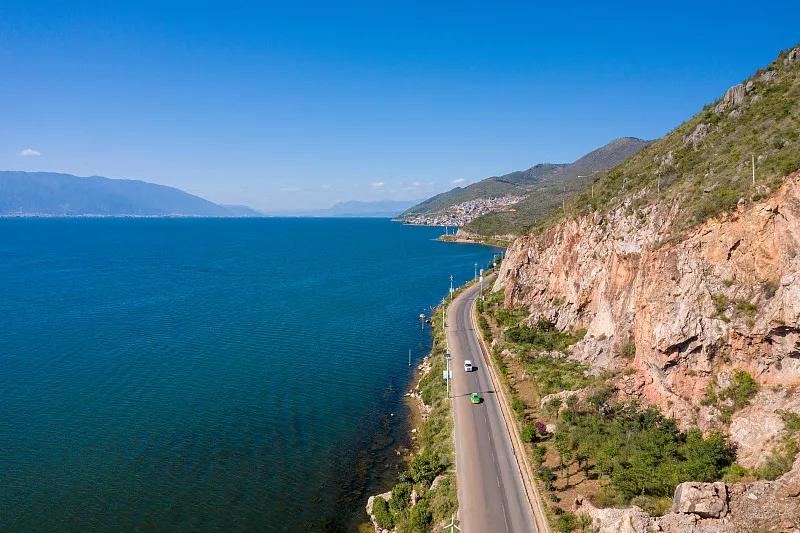
Finding Lijiang’s Hidden Tibetan Monasteries: Why You Need Your Own Set of Wheels
I was huddled on a stone wall outside Lijiang’s old town last March, sharing a packet of roasted chestnuts with a local Tibetan horseman, when he mentioned three monasteries tucked into the pine-cloaked folds of the hills north of the city that no bus or tour group ever reaches. He drew a rough map in the dust with his riding crop, marking rutted dirt tracks that wind past yak pastures and wild pear orchards, and laughed when I said I could probably flag a taxi to get there. No, he said, the drivers won’t go. The roads get too narrow, too rocky, and most don’t bother to make the trip when there are no fares waiting at the other end. That’s when I knew the only way to see these quiet, unpolished sites, where monks still churn butter tea by hand and prostrating pilgrims walk the kora paths without a single tourist camera pointed their way, was to rent a car. Kunming airport car rental for foreigners has one bottleneck, and this is it.
Most overseas visitors stick to the well-trodden route between Dali and Lijiang, hopping on public buses or organised minibuses that only stop at the big, ticketed monasteries on the main tourist trail. But if you’ve got the time to wander, Yunnan’s remote Tibetan Buddhist sites are some of the most peaceful, unspoiled places you can visit in the whole province. You just can’t get to them without your own transport. That is the side of Dali Lijiang car rental for foreigners the brochures leave out.
Sorting Out Your Rental Before You Hit The Hills
I’ve done this drive three times now, and the first thing I tell anyone planning the trip is to sort your paperwork properly before you turn up at the pickup point. You can’t use an International Driving Permit here, but a China temporary driving licence can be arranged for 1500 without the client attending in person, so you can get all that sorted before you even land, no awkward last-minute trips to a government office required. Everyone I know who has dealt with Yunnan self-drive rental for foreigners tripped on this.
Last autumn I flew into Kunming to start a longer Yunnan loop, and I picked up my vehicle right outside the terminal. Kunming airport car rental for foreigners is straightforward these days, no hoops to jump through beyond confirming your booking and checking the paperwork before you turn the key in the ignition. I went for the 1.5L VW Lavida that time, 260 RMB a day with unlimited mileage, which was more than enough power for the winding mountain roads once you get north of Dali. The rental deposit for that vehicle is 3000 RMB, refunded 5-7 working days after you drop the car back once the traffic fine check is complete, so you don’t have to hang around waiting for cash before you head to your next destination.
There’s no need to pre-book a fancy 4x4 for most of these routes, I’ve found. The Lavida handled all the unpaved sections fine, as long as you take it slow over the loose gravel. If you’re planning to push further north up to higher passes though, the Tank 300 2.0T is a solid choice at 400 RMB a day, though it comes with a 300 km per day limit and a 5000 RMB rental deposit. I hired one in June last year when the rains had washed out a few stretches of the back roads, and its extra clearance saved me from getting stuck in a muddy rut that would have left the smaller petrol car high and dry. The tricky part of Kunming airport car rental for foreigners is always the bit nobody explains.
Yunnan self-drive rental for foreigners works best if you plan your pickup and drop off points to match your itinerary. I usually fly into Kunming, pick the car up there, drive west to Dali for a few days wandering the old town’s cobblestone lanes, then head north to Lijiang, and drop the car off there at the end of the trip. The one-way return fee for that route is 1500 RMB, which is well worth it to avoid doubling back 200 km of mountain road you’ve already driven.
Don’t forget the insurance terms before you set off. The cover includes both compulsory and commercial insurance, but minor scratches under 1500 RMB are paid by the client, and damage above 1500 RMB goes through insurance with the client bearing 30%. The good bit is that scratches that don’t damage the primer are free, no downtime or depreciation charges for paintwork or replaced parts, and downtime is waived within 5 days for major damage. I scraped the side of the Lavida on a loose rock on my last trip, and because it only marked the clear coat, I didn’t pay a penny. That took a huge weight off my shoulders, I can tell you. If the vehicle breaks down for a mechanical reason, it’s all covered, but towing for a client-caused reason is at your expense, so take it slow on the unpaved bits and you won’t have to worry about that.
The Drives To The Hidden Monasteries
Most people doing the Yunnan circuit head straight from Dali to Lijiang on the new highway, and Dali Lijiang car rental for foreigners means you can peel off onto the smaller, unmarked roads that turn off the main route to find the monasteries no one else visits. None of these sites have big ticket booths, or crowds of tour guides with megaphones, or stalls selling mass-produced souvenirs. They’re still living, working monasteries, where the monks will often invite you in for a bowl of butter tea if you sit quietly and don’t take photos without asking first.
The first one I found is only 45 minutes north of Lijiang, down a track that turns off the main road to Shangri-La just after the small village of Baisha. I missed the turn the first time, ended up driving into a yak herder’s pasture, and had to reverse 2 km back out while a herd of curious calves followed me down the track. The second time I spotted the small wooden sign half hidden by pine branches, and followed the rutted road up through a forest of spruce until I rounded a bend and saw the whole monastery clinging to the side of the hill, its whitewashed walls glowing in the midday sun. There were only seven monks there that day, all under the age of 30, and they were in the middle of a prayer ceremony. I sat on the veranda outside for an hour, listening to the low hum of their chanting, watching vultures circle high above the valley, and no one bothered me at all.
The second monastery is a bit further, a two hour drive from Lijiang, and the last 10 km is all dirt track that winds up a steep hillside past small farming hamlets where people grow potatoes and raise black pigs. I passed an old woman leading a flock of goats down the road, and she stopped to wave and offer me a handful of wild strawberries she’d picked that morning. The monastery itself is tiny, no bigger than a large cottage, built around a sacred spring that bubbles up out of the rock behind the main hall. A single elderly monk lives there alone, and he spent half an hour showing me the old thangka paintings that line the walls, some of them over 200 years old, their colours still bright and vivid.
The third one is my favourite, a three hour drive from Lijiang, tucked away in a hidden valley that you can’t even see from the main road. When I arrived there last March, the whole valley was full of blooming wild peach trees, their pink blossoms drifting across the courtyard in the soft wind. A group of pilgrims from a nearby village were doing the kora around the monastery’s outer walls, turning each of the big wooden prayer wheels as they passed, and they gestured for me to join them. I walked around three times with them, the sound of the wheels clicking in my ears, and no one asked me for a ticket or tried to sell me anything.
There are a few small things to remember when you’re driving these roads. The mountain passes can get foggy very quickly, even on a sunny day down in Lijiang, so keep your headlights on and don’t overtake on the bends. Parking is free at all of these monasteries, there’s a small flat patch of gravel outside each one that’s big enough for two or three cars. Don’t try to drive up the tracks after heavy rain, they get slippery and you can easily slide off the edge. I learned that the hard way last summer, when I tried to head up to the second monastery the day after a storm, and ended up slipping into a ditch. A group of local farmers with a tractor pulled me out for nothing, but I wasted two hours of daylight that I’d rather have spent sitting in the monastery courtyard.
Last Practical Bits Before You Go
Your booking deposit of 600 RMB is non-refundable if you cancel for personal reasons, so make sure your travel dates are locked in before you confirm. Pickup and return is available at the airport or city office, so you can arrange to collect the car wherever suits your itinerary best. I always do a full walkaround of the vehicle before I drive away, taking quick photos of any existing scratches on my phone, so there’s no confusion when I drop it back off later.
Navigation works fine on all the main and minor roads, even up to the monasteries, though the last few hundred metres of some of the tracks don’t show up on some maps, so keep an eye out for the small wooden signs nailed to pine trees. Don’t rush the drives. You’ll pass endless views of snow-capped peaks, small villages where people are drying chillies on their roofs, and flocks of sheep wandering across the tarmac. Stop whenever you want. That’s the whole point of having your own car, after all.