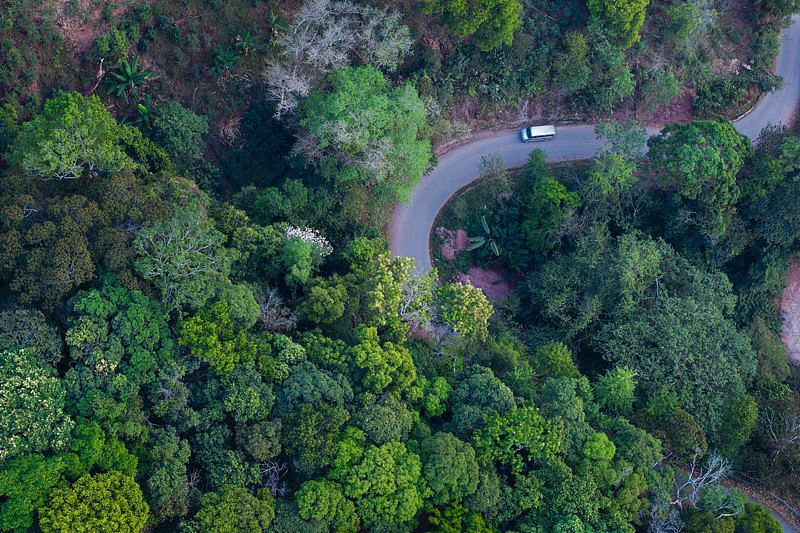
Last October, I pulled a white VW Lavida onto a flat, shaded patch of tarmac 100 metres from the south gate of Dali Ancient Town, the mid-autumn sun slanting low over the Cangshan peaks. The seatbelt buckle clicked, and I exhaled — three days of stressing about wheelchair access, steep curbs and chaotic tourist parking melted away. I was travelling with my mum, who uses a folding mobility scooter after a knee replacement, and we’d spent months researching Yunnan self-drive rental for foreigners before we even booked our flights. If you’re planning a trip along the Dali-Lijiang corridor with reduced mobility, parking shouldn’t be the part that derails your holiday. Let me walk you through what I learned, from picking up the car to finding that rare, flat, step-free spot right where you need it.
Starting off right: picking up your car without the airport chaos
I landed at Kunming Changshui on a crisp, cloudless Tuesday, the air sharp enough to make my ears pop after the 12-hour flight from London. I’d sorted Kunming airport car rental for foreigners ahead of time, and the handover was straightforward: no fumbling for confusing paperwork, a quick walkaround to note existing minor scratches, and a reminder that a China temporary driving licence can be arranged for 1,500 without you needing to attend in person. We opted for the Lavida at 260 RMB a day, with a 3,000 RMB refundable rental deposit, unlimited mileage, and insurance that covers both compulsory and commercial cover. The only catch? Minor scratches under 1,500 RMB come out of your own pocket, and any damage over that goes through insurance with a 30% client excess. We skipped the Tank 300, even though it’s great for mountain roads, because the 5,000 RMB deposit, 300km daily limit and 1,500 RMB one-way return fee to Lijiang would have blown our budget for three days of slow, accessible travel.
Don’t make my first-timer mistake: I tried to wing our Dali parking plan on the drive down, only to circle the ancient town’s east gate for 40 minutes at midday, the sun beating through the windscreen while my mum shifted uncomfortably in the passenger seat. That stretch of road is sloped, the curbs are high, and the closest disabled bays were full by 10am on a public holiday. I’d rather circle an extra 10 minutes for a good spot than park half a kilometre away and force her to tackle uneven stone paving on her scooter.
Accessible parking near Dali’s core attractions, from someone who’s tested every lot
Dali Ancient Town: skip the east gate, head south
The south gate public car park is my go-to now. It’s flat, the bays near the entrance are wide enough to pull a scooter out of the boot without squeezing between cars, and the paved path from the lot to the gate has no steps. We parked there last October on a weekday, and had a spot within five minutes. The east gate lot, by contrast, is on a sharp incline, and the path leading into town is paved with uneven, worn stone that jolts a mobility scooter so badly my mum said it felt like riding a fairground bump-a-car. Hard pass.
Erhai Lake shoreline: pick the west side for flat, easy access
We drove the western loop of Erhai on our second day, the water glinting so bright it hurt to look at without sunglasses. The waterfront car parks at Xizhou and Zhoucheng are all level, with designated accessible bays right next to the lakeside promenade. I’d avoid the eastern shore pull-offs at midday in peak season — the gravel verges are soft, and there are no marked bays, so you end up parking metres from the road with no safe path down to the water. We stopped at a small tea house near Xizhou, the owner waving us into a wide, flat bay right outside, and sat sipping pu-erh while watching cormorants dip into the lake. That’s the kind of unplanned stop you can only make if you’re driving yourself, instead of being herded onto a tour bus with a fixed schedule.
Cangshan Mountain: book the cable car parking in advance
The Cangshan cable car base car park has wide, flat accessible bays right next to the entrance ramp, no steps to navigate from the car to the ticket office. We arrived at 8.30am, when the lot was half empty, and had no trouble pulling in. If you turn up after 11am on a weekend, you’ll be directed to the overflow lot, which is a 10-minute walk up a sloped path — not ideal for anyone with limited mobility.
Little hacks that make Dali Lijiang car rental for foreigners work for reduced mobility travellers
We skipped the drive up to Lijiang in the end, opting to stay in Dali for the full week rather than rush the mountain pass. The road between Dali and Lijiang climbs steeply, with sharp switchbacks that leave even me a little queasy, and the old town in Lijiang is crisscrossed with uneven stone steps that make scooter access tricky. If you do plan to do the full Dali Lijiang car rental for foreigners route, remember the one-way return fee to Lijiang is 1,500 RMB, so factor that into your budget if you don’t want to drive back.
A few things I wish I’d known before we set off:
- Mark accessible parking spots on your navigation before you leave Kunming — don’t rely on finding a bay when you arrive, especially during national holidays.
- Take photos of every scratch on the car at pickup, even the tiny ones. We spotted a faint mark on the rear bumper, noted it on the handover form, and didn’t have any issues when we returned the car in Dali.
- The rental deposit is refunded 5-7 working days after you drop the car off, once a traffic-fine check is complete, so don’t panic if you don’t see the money hit your account immediately.
We dropped the Lavida off at the Dali city office on our last day, the boot stuffed with tie-dye scarves and bags of pu-erh tea. The handover check took 10 minutes, no hidden fees, no faff. My mum was already planning her next trip, talking about going back to Erhai to watch the sunrise over the lake. That’s the point of self-drive, isn’t it? You don’t have to rush, you don’t have to haul your bags up and down bus steps, and you can stop whenever you want, right where it’s easy for you.