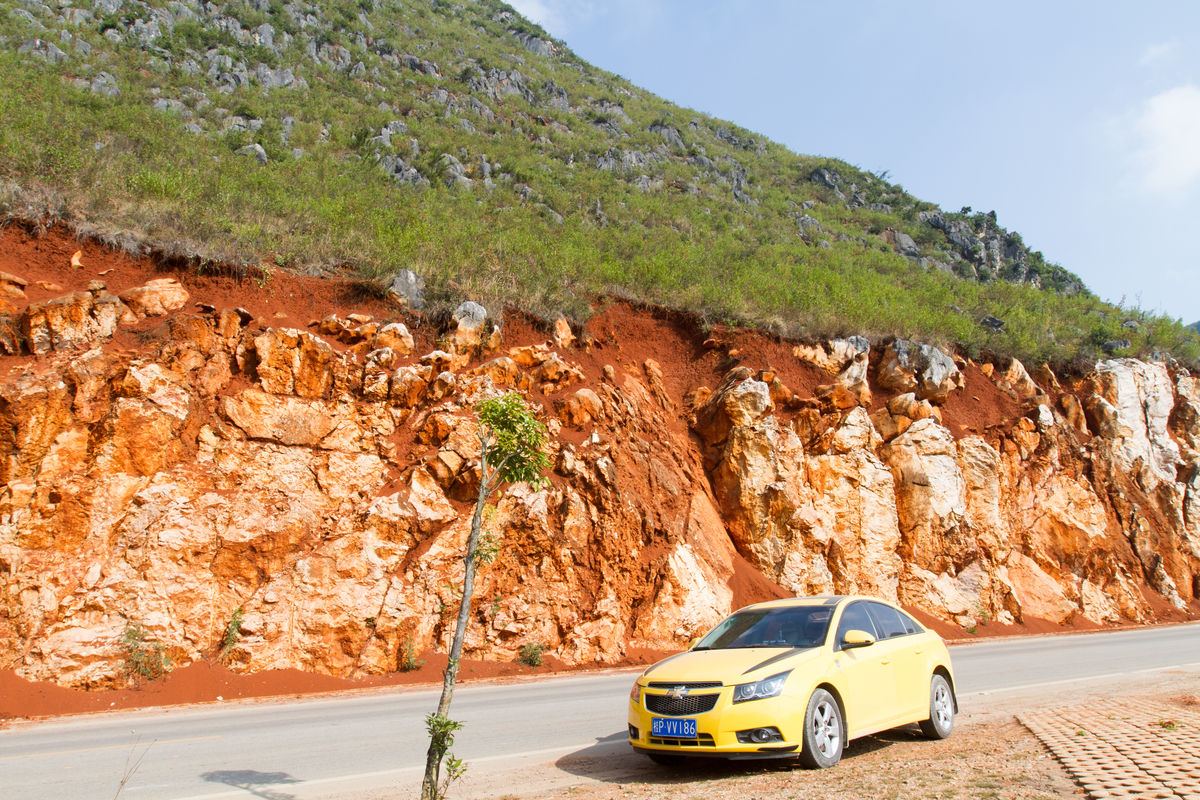
Last October, I rolled out of Dali’s old town in a rented VW Lavida, windows down, the crisp plateau air sharp with the scent of osmanthus. I’d spent three days eating erkuai and rushan in the city, and was heading south to Weishan Old Town, a place I’d heard locals rave about for its unfussy, authentic Yunnan street food. This trip was my third time arranging Yunnan self-drive rental for foreigners, and I’d learned enough over the years to avoid the small missteps that can turn a smooth drive into a frustrating detour.
If you’re flying into Kunming first, you can sort Kunming airport car rental for foreigners right after you clear arrivals, which saves you the hassle of hauling luggage onto a long-distance bus. I usually pick up my car there, then take the high-speed rail up to Dali for a few days of wandering before starting my road trip south. The rental desks are a short walk from the exit, and you don’t need to show up in person to arrange a China temporary driving licence, which costs RMB 1,500—no need to fumble with confusing international permit rules that don’t apply here.
Sorting your car before you leave Dali
I stood in the parking lot of the Dali city rental office last October, kicking a tyre on the silver Lavida, as the agent walked me through the paperwork. It was 18 degrees, the sun glinting off the Erhai lake in the distance, and I was glad I’d skipped the bigger Tank 300 for this trip—this route is all smooth, paved county roads, no off-roading required.
The Lavida runs RMB 260 a day, with a RMB 3,000 deposit, and unlimited mileage, which is perfect for me since I like to pull over at random village stalls without worrying about clocking up extra kilometres. The Tank 300, at RMB 400 a day with a RMB 5,000 deposit and a 300km daily limit, is better if you’re heading up to Shangri-La later, but overkill for the Dali to Weishan stretch. Insurance covers both compulsory and commercial cover, and I noted the small print: minor scratches under RMB 1,500 come out of your pocket, anything above that goes through insurance with you covering 30%, and scratches that don’t break the primer are completely free. No silly downtime or depreciation charges for paintwork, which is a relief when you’re navigating narrow old town lanes.
I’d arranged Dali Lijiang car rental for foreigners the same way on my previous trip, when I drove north to Lijiang and dropped the car off there for a RMB 1,500 one-way fee. This time, I was returning the car in Dali, so no extra drop-off cost. The deposit gets refunded 5-7 working days after you hand the keys back, once they run a check for any unpaid traffic fines. I double-checked the fuel gauge, the tyre pressure, and took a quick video of the car’s body to document any existing marks, just to be safe. The agent tossed me a phone mount for navigation, and I was on my way.
First stop: the village of Xizhou, 40 minutes out of Dali
My first pull-off was Xizhou, the small Bai village famous for its courtyard houses and fresh dairy. I parked the car in the public lot just outside the village entrance, paid RMB 5 for two hours of parking, and wandered down the flagstone lanes until I smelled the sweet, savoury scent of grilled rushan.
The stall was run by an older Bai woman, who flipped the white, cheese-like curd over charcoal until it was golden, brushed it with a thin layer of rose jam, and handed it to me on a stick for RMB 8. I leaned against a stone wall as I ate, the cheese warm and slightly stretchy, the rose jam cutting through the rich, milky flavour. A group of local farmers sat on a bench nearby, sipping tea and chatting, and one nodded at me, gesturing to the stall like it was the best secret in the village. I didn’t bother trying the more tourist-facing restaurants in the main square—this street stall is where the locals eat, and the food tastes better for it.
I stayed in Xizhou for an hour, wandering past the old courtyards, before getting back in the car to head south. The road winds gently through terraced fields, where farmers were harvesting late-season rice, the stalks glowing gold in the afternoon sun. I rolled the windows all the way down, and could smell the cut grass and wood smoke from village kitchens as I drove.
Second stop: the small town of Yongjian, for lunch
An hour out of Xizhou, I pulled into Yongjian, a busy market town where the main street is lined with noodle shops and dried fruit stalls. I parked the car near the market entrance, and followed the sound of clanging woks to a small, unassuming restaurant with plastic tables on the sidewalk.
I ordered the signature Weishan mengding noodles, a bowl of hand-pulled noodles in a rich, spiced broth, topped with braised pork, pickled greens, and a sprinkle of crushed peanuts. The owner, a middle-aged man with a flour-dusted apron, asked where I was from, and when I told him the UK, he laughed and brought me a free side of pickled radish, crisp and tangy, to cut through the richness of the broth. The whole meal cost RMB 18, and I ate every last drop.
After lunch, I wandered through the market, where vendors sold dried mushrooms, cured ham, and fresh walnuts still in their green husks. I picked up a bag of dried sour plums for RMB 10, to snack on for the rest of the drive, before getting back on the road.
If you’re extending your trip north later, the same Dali Lijiang car rental for foreigners booking system lets you pick up in Dali and drop off in Lijiang, which is handy if you don’t want to backtrack. I’d done that route two years prior, driving past the Jade Dragon Snow Mountain on a clear day, and the unlimited mileage on the Lavida meant I could pull over at every viewpoint without stress.
Final stop: Weishan Old Town, for dinner and a wander
Another 40 minutes down the road, I pulled into Weishan Old Town as the sun was starting to set, painting the grey tile roofs pink. I parked the car in the official lot just outside the old town walls—no driving into the pedestrian lanes, which is a rule I learned the hard way on my first visit, when I tried to squeeze the Lavida down a too-narrow alley and scraped the bumper on a stone wall. That scratch didn’t break the primer, so it didn’t cost me a penny, but I was mortified at the time.
Weishan is quieter than Dali or Lijiang, with far fewer tourists, and the food here is unbeatable. I walked straight to the night market on the main street, where stalls lined the road, selling grilled tofu, spiced potato cakes, and sweet rice cakes stuffed with red bean paste. I ordered a plate of grilled cured pork, sliced thin and cooked over charcoal, the fat crisping up, for RMB 25, and ate it sitting on a stone step as locals walked past, greeting each other in the soft, slow Yunnan dialect.
As I wandered the lanes after dinner, I thought about how easy this trip had been. A lot of travellers worry about renting a car in China as a foreigner, but once you’ve sorted the temporary licence, and picked a car that fits your route, it’s straightforward. You don’t need to overcomplicate it—skip the big 4WD unless you’re heading up to the higher mountain passes, stick to the paved roads, and pull over whenever you smell something good cooking.
If you’re just starting your trip in Kunming, sorting Kunming airport car rental for foreigners right after you land means you can hit the road immediately, no waiting around for buses or taxis. I usually spend a night in Kunming first, eating across the street from the airport, before driving up to Dali the next day. The whole trip, from Kunming to Dali to Weishan, works perfectly with the local rental setup, no cross-border hassle, no confusing paperwork.
I headed back to my guesthouse in the old town as the streetlights came on, the Lavida locked up safe in the lot, already planning my next drive back up to Lijiang, when I’d book the same rental again. This is the best way to see Yunnan, I think—slow, behind the wheel, stopping for every good meal you can find.