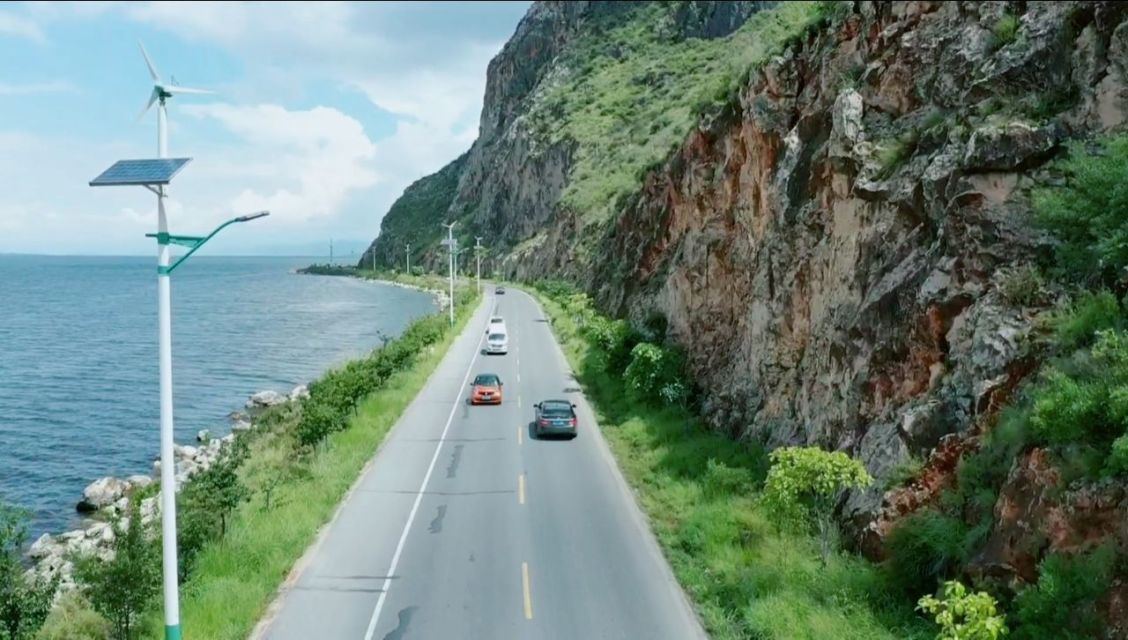
I learned the hard way that Lashihai’s trailhead parking isn’t just a spot to leave your car—it’s a base camp for slow hikes that don’t fit into rushed day trips. Last October, I picked up a rental car from Lijiang after landing, drove the 40 minutes out to the wetland, and realised most overseas visitors treat the area as a 2-hour photo stop, missing the quiet oak forest trails that glow gold in autumn.
This guide is for anyone planning Yunnan self-drive rental for foreigners who wants to linger, rather than tick viewpoints off a list.
Why base yourself at a trailhead instead of driving back to Lijiang each night
The first time I visited Lashihai, I drove back to the old town at dusk, hit the weekend tourist traffic on the main road, and spent an hour stuck behind tour buses. The next morning, I dragged myself out at 7am to beat the crowds, and missed the mist that curls over the wetland at sunrise.
Overnighting at a trailhead changes that. You wake up to the sound of black-headed gulls calling, no tour buses rumbling past, and you can start your hike before the day trippers arrive. It’s not wild camping—most of the official trailhead areas have basic, flat spots to park, and small local guesthouses a 10-minute walk away if you don’t want to sleep in the car.
I’m not saying you have to rough it. Last trip, I brought a fold-out camp chair, a thermos of Pu’er tea, and ate dinner at a Naxi family’s farmhouse near the trailhead, watching the sun set over the Jade Dragon Snow Mountain. That’s the kind of moment you miss if you’re rushing back to the city.
Choosing the right rental car for Lashihai’s trails
Not every rental car is suited to the rough, unpaved side roads leading to the more remote trailheads. When I first started planning Dali Lijiang car rental for foreigners, I almost booked the cheapest option, until a local driver warned me that the last 2km of the road to the western wetland trail is rutted dirt, with loose stones and shallow puddles after rain.
Here’s what I’d pick, based on my experience:
- VW Lavida 1.5L petrol (RMB 260/day): Perfect if you’re sticking to the paved eastern trailheads near the main wetland entrance. It’s comfortable for city runs between Dali and Lijiang, has unlimited mileage, and the 3,000 RMB rental deposit is refunded 5-7 working days after you return it, once the traffic fine check is complete.
- Tank 300 2.0T (RMB 400/day): Worth it if you’re heading to the more remote western trailheads. It handles the rutted dirt roads without scraping the undercarriage, though it has a 300km per day mileage limit, and a higher 5,000 RMB deposit. I used one last trip, and didn’t worry when I hit a patch of loose gravel on the way up to the oak forest trail.
Skip any idea of an electric vehicle—there are no charging points near the trailheads, and you’ll be stuck. If you’re flying into Kunming first, Kunming airport car rental for foreigners is a good starting point if you want to drive the full route from the city down to Dali, then up to Lijiang, rather than jumping between flights.
One thing to note: if you pick up the car in Kunming and drop it off in Lijiang, there’s a 1,500 RMB one-way return fee. I calculated that last trip, and it was cheaper for me to do a loop, but if you’re short on time, the one-way option saves you hours of backtracking.
Licensing, insurance and the small print you won’t find on tourist forums
When I first looked into Yunnan self-drive rental for foreigners, I was confused about the licence requirements. You don’t need to navigate the paperwork yourself— a China temporary driving licence can be arranged for 1,500 RMB, without you having to attend in person. That saved me a lot of stress, as I didn’t have time to visit a local transport office between flights.
The insurance included with the rental covers compulsory and commercial cover, but there are rules you need to know before you sign. Minor scratches under 1,500 RMB are paid by you; any damage above that goes through insurance, and you’ll bear 30% of the cost. Scratches that don’t damage the primer are free, and there are no downtime or depreciation charges for paintwork or replaced parts. Downtime is waived within 5 days for major damage, which is a relief if you hit a deep puddle and damage the undercarriage.
If the car breaks down for a mechanical reason, the rental covers it. If you cause the breakdown—say, you drive through a flooded section of road and stall the engine—you pay for towing. I learned that when I tried to cut through a puddle on a trailhead side road last spring, and had to pay to get the Lavida towed back to the paved road. Not a smart move.
Also, the 600 RMB booking deposit is non-refundable if you cancel for personal reasons. I always book early, but make sure my travel insurance covers that cost if I have to reschedule.
Best trailheads for overnight parking near Lashihai
I’ve tried three main trailheads for overnight stays, and here’s what to expect:
Eastern Wetland Main Entrance Trailhead
This is the most accessible, with paved parking, public toilets, and a small cluster of guesthouses 5 minutes’ walk away. It’s great if you’re driving a standard sedan, and perfect for short hikes along the wetland boardwalks. The only downside is that it gets busy from 9am onwards, so if you want quiet, wake up early and hike before the tour buses arrive.
Western Oak Forest Trailhead
This is my pick for autumn. The last 2km of road is unpaved, so you’ll want the Tank 300 for this. The parking area is smaller, with only a handful of spots, and no public toilets. But you’re steps from the oak forest trails, where the leaves turn burnt orange in October, and you’ll have the trails almost to yourself before midday. There’s a Naxi farmhouse 10 minutes’ walk away that serves home-cooked potatoes and smoked pork, if you don’t want to cook in the car.
Northern Mountain View Trailhead
This spot has unobstructed views of the Jade Dragon Snow Mountain, and is great for sunrise photos. The road up is paved, but narrow, with sharp bends. Parking is limited, so get there before 4pm if you want a spot. There are no guesthouses nearby, so if you’re not sleeping in the car, you’ll need to drive 20 minutes back to the nearest village.
Parking etiquette and small tips for a smooth stay
Last trip, I saw a group of tourists park their car right on the edge of the wetland, blocking the path that local farmers use to take their sheep out to graze. Don’t do that. Stick to the designated parking areas, and don’t drive off-road into the wetland—it’s a protected area, and you’ll damage the delicate marshland.
It gets cold at night, even in autumn. The temperature drops to around 5°C in October, so bring extra blankets if you’re sleeping in the car. I always leave a window cracked for ventilation, and never leave valuables visible on the seats—even in the quiet trailheads, it’s better to be safe.
Before you return the car, do a full walkaround. Check for scratches on the bumpers, especially if you’ve driven on the dirt roads. Take photos of any marks, so you don’t get charged for damage that was already there when you picked it up. I always do this, and it saved me from a 300 RMB charge last trip, when the rental company tried to claim a scratch on the rear bumper that I’d photographed on day one.
Final thought
Dali Lijiang car rental for foreigners isn’t just about getting from one tourist spot to another. It’s about being able to stop, stay a little longer, and see the parts of Yunnan that most day-trippers miss. Lashihai’s trailheads are the perfect example—slow, quiet, and full of small, beautiful moments that you won’t find on a guided tour.