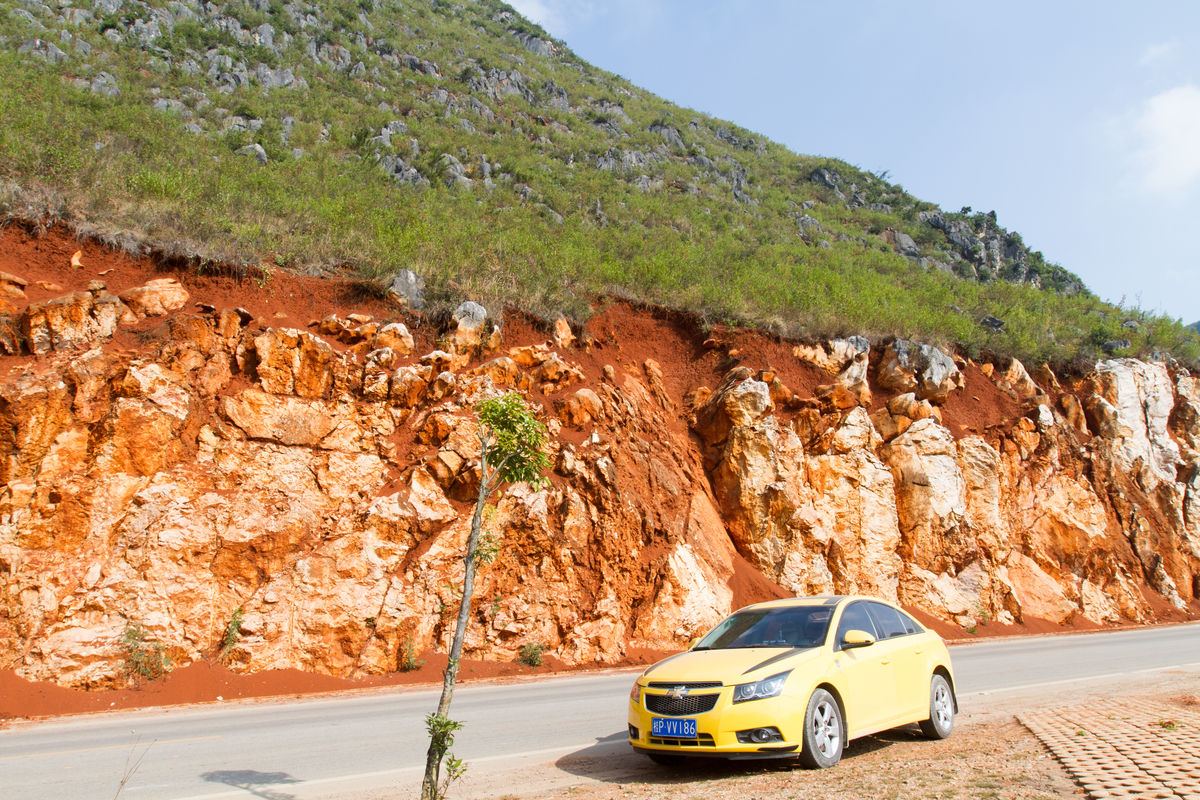
Last spring, I pulled a white VW Lavida (Chinese-plated, left-hand drive, the petrol 1.5L I’d booked for RMB 260 a day) over at the edge of Baisha Old Town, just as a local on an electric scooter zipped past carrying a crate of fresh yak yoghurt. The air smelled of pine and rising flour from the nearby bakery, and the red stone arch marking the start of the pedestrian-only lane glowed in the mid-morning sun. I’d almost made the same mistake I watched three other foreign travellers make that same week: turning straight down the lane that leads to the old town square, only to be waved down by a community steward who’d tell them they’d strayed into a no-drive zone. This guide is what I wish I’d had before I set off on my Yunnan loop, covering exactly how to navigate parking near Baisha without slipping into restricted pedestrian streets, plus the practical bits of arranging a car as a foreign visitor here.
Sorting the legal bits before you turn the key
Let’s get the unglamorous part out of the way first, because there’s no point mapping parking spots if you can’t legally drive on Yunnan’s roads. I’d spent weeks sifting through confusing online advice before I arrived, half-convinced I’d need to sort some obscure overseas permit first, but the process for Yunnan self-drive rental for foreigners is far simpler than I’d expected. A China temporary driving licence can be arranged for RMB 1,500, no in-person visit required, sorted before you even touch down in Kunming. I picked my car up straight from the airport on arrival, which cut out the faff of hauling my rucksack onto a bus into the city centre first.
That’s the biggest draw of Kunming airport car rental for foreigners, honestly. You land, grab your bag, walk to the rental pickup point, get handed the keys, and you’re on the G56 heading west towards Dali before the airport coffee has even gone cold. No waiting around for a pre-booked transfer, no haggling with taxi drivers over a fare to your guesthouse. I’d done the public bus route on a previous trip, and while it’s cheap, it takes four hours longer, and you’re stuck lugging your gear up and down steps at every stop. For the loop between Dali, Lijiang and Shangri-La, having your own car is worth every yuan.
Why Baisha’s parking layout trips up so many drivers
Baisha is quieter, less tourist-worn than Lijiang’s main old town, and that’s exactly why I’d detoured there instead of fighting the crowds at Dayan Square. But its road layout is a bit of a trap for first-time drivers. The wide, paved lane that runs from the main road straight towards the old town’s central square looks perfectly drivable — smooth tarmac, no obvious bollards at the entrance, even a few parked bikes along the edge. But that entire stretch is pedestrian-only, 24/7. I watched a French couple roll their rental SUV 50 metres down that lane last April, only to be stopped by a steward in a red armband who explained, in broken English, that cars aren’t allowed past the first stone marker. They had to reverse all the way back out, much to the amusement of a group of local grandmothers sitting on the wall watching.
The good news? You don’t need to drive into that lane at all. There are three designated parking areas just a short walk from the old town entrance, all marked with clear Chinese signs, and none of them require you to enter the pedestrian zone to reach them.
The three parking spots I use every trip
The first, and closest, is the small public lot 200 metres west of the old town arch. It’s got space for about 40 cars, flat tarmac, no height restrictions, and it costs RMB 10 for the whole day. It’s usually half-empty before 10am, but by midday in peak season (March to October) it fills up fast. On my last trip, I got the last spot there at 9:45am, right as a group of tour buses pulled in. From the lot, it’s a 3-minute flat walk to the old town entrance, no steps, perfect if you’re carrying camera gear or travelling with older companions.
The second is the larger village-run lot 500 metres east of the arch, right next to the Baisha primary school. It’s got space for 150 cars, has a small kiosk selling cold water and sun hats, and costs the same RMB 10 for the day. The trade-off? It’s a 7-minute walk to the old town, and you have to cross the main road, which gets busy with tour buses between 11am and 2pm. I usually default to this spot if the first lot is full, because I hate circling looking for a space when the midday sun is beating down on the tarmac.
The third spot is the pull-off layby 1km north of the old town, right at the start of the road up to the Jade Dragon Snow Mountain viewpoint. It’s completely free, no formal attendant, just a wide gravel area where locals park when they’re heading up the mountain. The catch? It’s a 15-minute walk back to Baisha, and the path has no pavement for the last 300 metres, so you’re walking on the edge of the road with cars whizzing past. I only use this if both formal lots are full, honestly — it’s not worth the risk with the mountain traffic.
My rule of thumb: if your navigation tries to route you straight down the lane towards the Baisha square, ignore it. The offline maps haven’t fully updated the pedestrian zone restrictions as of last spring. Pull into the first marked parking lot you see, lock the car, and walk the rest. You’ll see more that way anyway — I spotted a tiny courtyard teahouse on my walk from the east lot that I never would have noticed if I’d been driving.
Rental costs and fine print you won’t see on the booking page
I know most guides skip the boring deposit and insurance bits, but I’ve had a rental go wrong on a previous trip, so I’m obsessive about checking these details. For Dali Lijiang car rental for foreigners, the standard VW Lavida or Jetta petrol model comes with a RMB 3,000 rental deposit, unlimited mileage, and compulsory plus commercial insurance included. The Tank 300 2.0T, if you want a higher clearance car for the rougher roads up towards Shangri-La, is RMB 400 a day, with a RMB 5,000 deposit and a 300km daily mileage limit. I went for the Lavida on my last trip — the roads between Dali and Lijiang are smooth, well-paved, and I didn’t need the extra power of the Tank for that stretch.
A quick note on one-way fees: if you pick the car up in Dali and drop it off in Lijiang, there’s a RMB 1,500 one-way return charge. I’ve done both round-trip and one-way, and honestly, if you’re planning to loop back to Kunming to fly out, the round trip saves you enough to cover a few nice meals. But if you’re heading straight north from Lijiang to Shangri-La and flying out there, the one-way fee is worth not having to backtrack 200km.
The insurance rules are straightforward, once you read the fine print. Minor scratches under RMB 1,500 are paid by you, the driver. Any damage above that goes through insurance, with you covering 30% of the cost. Scratches that don’t break the primer are fixed for free, no extra charges. The rental deposit gets refunded 5-7 working days after you drop the car off, once they run a check for any unpaid traffic fines. I’ve never had a delay on that refund, even when I accidentally clipped a wing mirror on a narrow lane in Xizhou last year — the scratch didn’t go through the primer, so there was no charge at all.
One last thing to remember: if you cancel for personal reasons, the RMB 600 booking deposit isn’t refundable. I learned that the hard way when I had to reschedule my 2023 trip last minute, so I always book my travel insurance to cover that cost now. And if the car breaks down from a mechanical fault, the rental team covers all towing and repair costs. If you cause the breakdown yourself — say, by running over a sharp rock on an unpaved side road — the towing cost comes out of your pocket. I’ve seen a few travellers get caught out by that, driving off-road on tracks that aren’t marked on maps, so stick to the main paved routes if you don’t want an unexpected bill.
Last tips for the drive
Take a picture of every side of the car when you pick it up, before you drive away. I always do a slow walk around, snapping close-ups of any existing scratches, even tiny ones, to the point the rental staff laugh when they see me. It saved me once, when a tiny scratch on the rear bumper was flagged at drop-off — I had a timestamped photo proving it was there when I picked the car up.
Don’t rush the drive between Dali and Lijiang. The road winds along Erhai Lake for half the route, with pull-off points where you can stop to watch the cormorant fishermen, or grab a bowl of cold rice noodles from a roadside stall. You don’t need to drive into Baisha’s old town to enjoy it — park at the lot, walk the lanes, watch the artists paint in the courtyard galleries, and let the car stay where it belongs, outside the pedestrian zone.