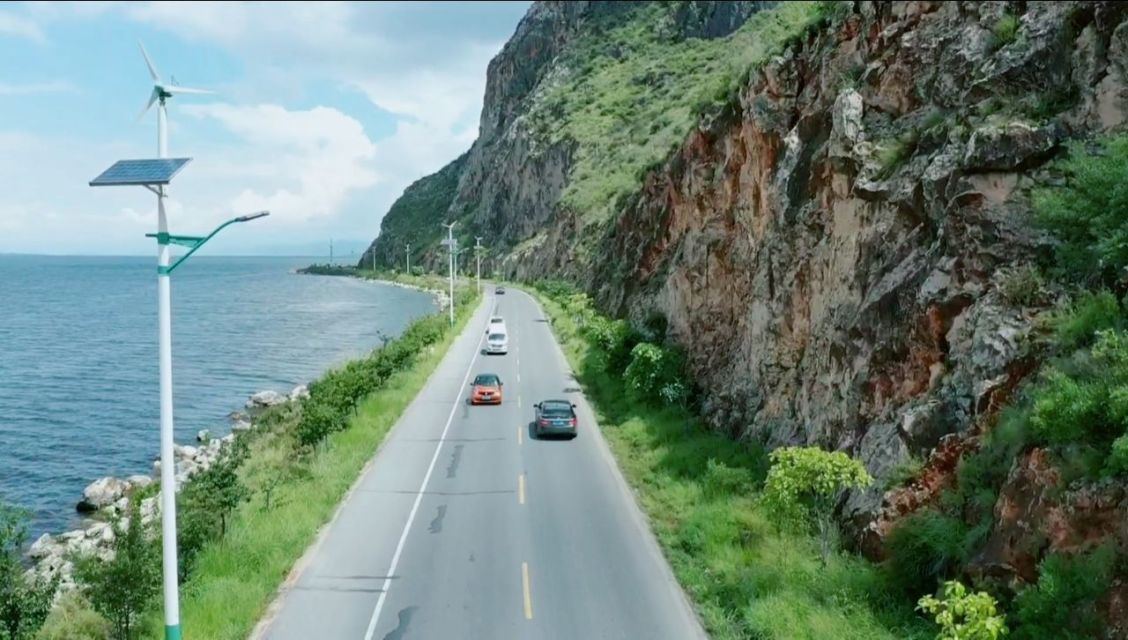
That Tiny Scrape That Nearly Ruined My Dali Lakeside Drive
Last October, I’d just picked up a VW Lavida from the Kunming airport lot, the tarmac still warm under the afternoon sun, when I fumbled a turn pulling out of the rental centre exit. The passenger side mirror brushed a concrete bollard, leaving a faint, hairline scratch along the door panel, no deeper than a fingernail. I’d spent 20 minutes panicking that I’d be on the hook for a full panel respray, until the on-site agent walked me through the fine print of the included insurance cover.
If you’re planning a Yunnan self-drive rental for foreigners, that exact moment of panic is the one no travel blog warns you about. Most of us spend weeks sorting permits, route maps and mountain pass weather checks, only to realise we have no clue what our rental insurance actually covers when we clip a kerb or scrape a wall in a tight old town alley.
Let’s cut through the jargon, from first-hand experience.
First: The Paperwork That Unlocks Your Yunnan Self-Drive
Before we even get to insurance, let’s get the basics out of the way. You don’t need to sort a mountain of paperwork to get on the road. A China temporary driving licence can be arranged for 1,500 RMB, with no requirement for you to attend an in-person appointment. Pickup is available either at the airport or the city office, whichever fits your flight schedule.
I opted for Kunming airport car rental for foreigners on my last trip, because I was tired after a 12-hour flight and didn’t want to haul my luggage onto a 40-minute taxi ride into the city. The process took 12 minutes flat, once I’d handed over my passport and the pre-arranged temporary licence. The Lavida I drove cost 260 RMB a day, with a 3,000 RMB rental deposit and unlimited mileage — perfect for pottering between Kunming’s hot pot spots and the outlying villages without counting every kilometre.
If you’re heading further up to the higher, rougher roads towards Shangri-La, the Tank 300 is the other option, at 400 RMB a day, with a 5,000 RMB deposit and a 300km daily mileage limit. If you’re doing a one-way drop off in Lijiang, there’s a 1,500 RMB one-way return fee to factor into your budget. No electric vehicles are offered across the fleet, which is a relief when you’re driving through stretches of the plateau where charging points are few and far between.
What Your Insurance Actually Covers (The Part No One Reads)
Every rental comes bundled with both compulsory and commercial insurance. That sounds great on the booking page, but the fine print about minor collision damage is where most people catch out.
Let’s go back to that scrape on my Lavida door. When the agent ran a cloth over the panel, he pointed out that the scratch hadn’t broken through the clear primer layer at all. “This one,” he said, tapping the mark, “no charge. Scratches that don’t damage the primer are free, no fees, no fuss.”
That’s the first rule of minor damage cover: if the scratch is only in the top layer of paint, no primer exposed, you walk away with zero cost. No hidden deductions from your deposit, no surprise bills sent to your email weeks after you fly home.
Now, what if the scratch is deeper?
During that same trip, a fellow traveller I met at a guesthouse in Xizhou had scraped the rear bumper of his rental Tank 300 against a stone wall while parking in the narrow village lanes. The damage totalled 1,200 RMB to repair. Under the policy, minor scratches under 1,500 RMB are paid directly by the client. So he covered the full repair cost out of pocket, no insurance claim needed.
If the damage totals more than 1,500 RMB? It goes through the commercial insurance, but you still bear 30% of the repair cost. No fine print about hidden excesses, no surprise deductions for parts you didn’t damage. And here’s the bit that took me by surprise: there are no downtime charges or depreciation fees for paintwork repairs or replaced parts. If the car needs 5 days in the shop for major damage, that downtime is waived entirely. I’d braced myself for being charged for every day the car was off the road, like I was on the hook for lost rental income — but that’s not how this policy works.
The Edge Cases That Catch Travellers Out
Let’s talk about the bits that aren’t in the main policy blurb, because these are the ones that cause arguments at return pickup.
If the car breaks down for a mechanical reason — say, the engine cuts out on the climb up to the Jade Dragon Snow Mountain pass, no fault of yours — all the repair and towing costs are covered. You don’t pay a penny.
But if you cause the breakdown? Run the car off a rural road into a ditch, for example? Towing for client-caused damage comes out of your pocket.
And the rental deposit? It’s refunded 5-7 working days after you return the car, once the team runs a full traffic fine check to make sure no unprocessed speeding tickets or parking fines are tied to the plate. I’d heard horror stories of deposits being held for months, but my Lavida deposit came through on day 6, no questions asked.
A quick note on cancellations: if you cancel for personal reasons, the 600 RMB booking deposit is non-refundable. I learned that the hard way when I had to push my trip back a year, and that 600 RMB was gone. Worth factoring into your budget when you book.
The Pickup Checklist That Saves You Headaches Later
When I picked up that Lavida, I made the mistake of only taking photos of the obvious dents on the front bumper. I missed a tiny scratch on the wheel arch, which the agent pointed out when I returned the car. Thankfully, it was a primer-deep scratch that was covered under the free paintwork rule, but I could have argued for 20 minutes if we’d both had different notes.
Before you drive off the lot, walk around the whole car with the agent, mark every single mark on the inspection sheet, and snap close-up photos of each one. Don’t skip the wheel arches, the door handles, or the underside of the bumpers. It takes 3 minutes, and it saves you from being blamed for a scratch that was already there before you picked the keys up.
As someone who’s now driven the loop from Kunming to Dali, Lijiang and up to Shangri-La three times, I can tell you that the insurance fine print isn’t as scary as it sounds. Dali Lijiang car rental for foreigners works best when you don’t treat the car like an indestructible off-road tank, and when you know exactly where the line is between a free touch-up, a small out-of-pocket repair, and an insurance claim. Slow down on the village lanes, watch the stone walls, and you’ll have a far better trip than worrying about every tiny mark on the tarmac.