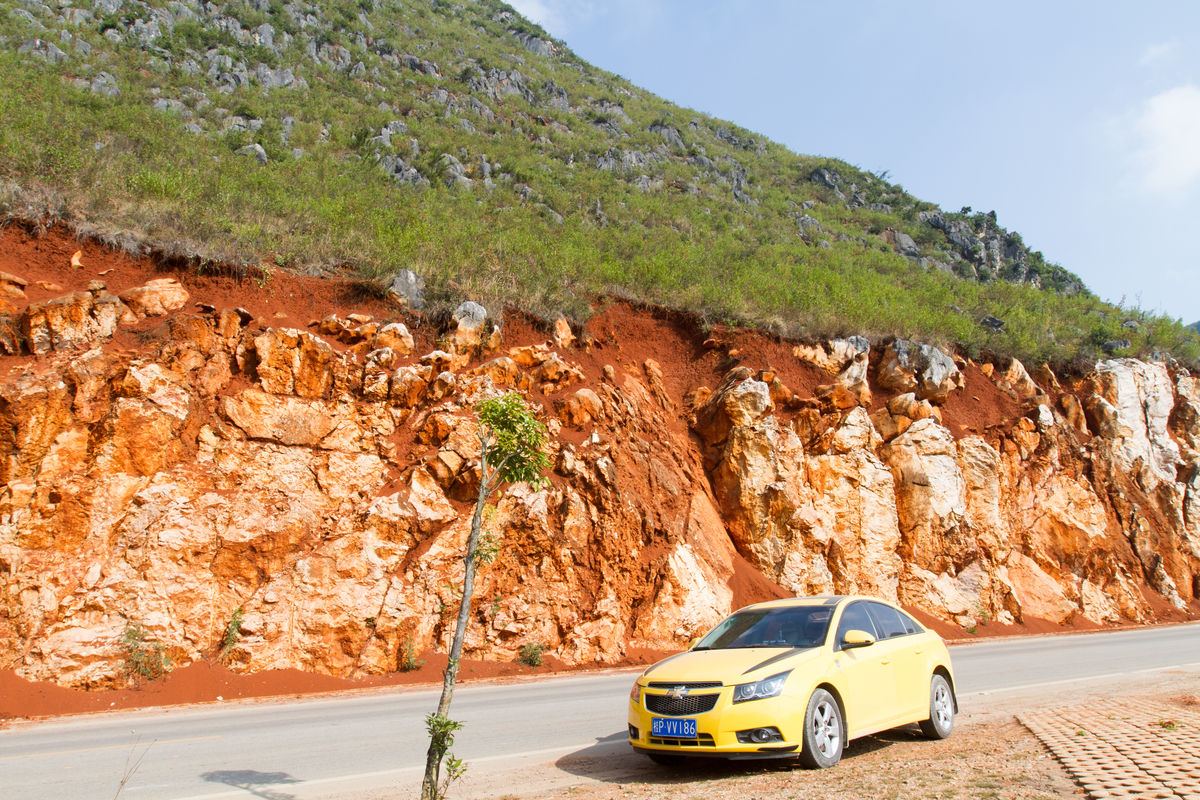
Dali Lijiang Car Rental for Foreigners: My Dali High-Speed Rail Station Drop-Off Run
Last April, I pulled into Dali High-Speed Rail Station’s arrivals forecourt in a white VW Lavida, the air thick with jasmine and the faint, sweet smell of grilled rice cakes from a street stall just beyond the barrier. I’d spent five days winding between Erhai’s turquoise shoreline and the old stone lanes of Lijiang, and I had 40 minutes to drop off the rental, grab my backpack, and catch the 14:22 train back to Kunming. If you’re planning a similar loop, this is the practical, on-the-ground guide I wish I’d had before I turned up with no clue how the drop-off worked.
Why I Chose a One-Way Dali Drop-Off After My Yunnan Loop
When I first mapped out my trip, I almost booked a round-trip rental from Kunming, driving the full 320km back to the capital after a week of mountain roads. I’d done that once before, and it meant 5 hours of edge-of-cliff switchbacks on the way back, exhausted after a week of early-morning hikes to see Shangri-La’s snow peaks. This time, I was already looking into Yunnan self-drive rental for foreigners, and the one-way drop-off option felt like it was made for my itinerary.
I picked up the car right after landing, going through Kunming airport car rental for foreigners to skip the hassle of hauling my bag 40 minutes into the city to a downtown office. The plan was simple: drive west through Chuxiong, stop for coffee in Dali, head north to Lijiang, loop up to the Shangri-La viewpoint, then turn back to Dali to catch the high-speed rail south. No need to navigate the long drive back to Kunming when I was already tired of shifting gears on mountain passes.
Getting the Paperwork Sorted Before I Even Landed
I’ll be honest: I almost panicked when I read I couldn’t use my home driving licence to rent in China. The rental service arranges a China temporary driving licence for 1500 RMB, no in-person visit required. I sent over my details a week before my flight, and the document was waiting for me when I picked up the car at the airport. No awkward office visits, no fumbling with translation forms at the counter.
I picked the VW Lavida 1.5L petrol for the trip, at 260 RMB a day, with a 3000 RMB rental deposit and unlimited mileage. It was the right call for Erhai’s lakeside roads — nippy enough to overtake slow farm trucks on the straight stretches, easy to park in the tight stone lane gaps in Dali Old Town. A friend had booked the Tank 300 2.0T for the same loop, at 400 RMB a day with a 5000 RMB deposit and 300km daily limit, and he ended up paying extra for overage on the day he drove up to the Shika Snow Mountain viewpoint. If you’re sticking to the paved Erhai-Lijiang-Shangri-La tourist route, the Lavida saves you cash and hassle.
The booking required a 600 RMB non-refundable deposit if I cancelled for personal reasons, which I factored in when I locked in my dates — worth it, given April is the peak wildflower season in the area, and cars book out fast.
The Dali High-Speed Rail Station Drop-Off: What Actually Happened
I arrived at the station 25 minutes before my scheduled drop-off window, rolling down the car window to let the warm April air in. The drop-off zone for the rental service is clearly marked, right by the station’s west entrance, no long detour through the busy station car park.
The staff member who met me walked around the car with me, checking each panel against the pre-departure photos I’d taken when I picked it up. I’d scraped the rear bumper on a stone curb in Lijiang Old Town three days prior — a light, shallow scratch, no primer broken. “That one’s no charge,” he said, tapping the bumper. “Scratches that don’t expose the primer don’t cost anything.”
He walked me through the damage rules clearly: minor scratches under 1500 RMB are paid by the driver, any damage above that goes through the included compulsory and commercial insurance, with the driver covering 30% of the cost. There are no downtime or depreciation charges for paintwork or replaced parts, and downtime fees are waived for 5 days if there’s major damage. If the car breaks down from a mechanical fault, the service covers it; if you cause a breakdown, you pay for towing. I was glad I’d been honest about the curb scrape instead of trying to hide it — it saved me a awkward argument later.
The one-way return fee for dropping a Lijiang-picked-up car at Dali Station is 1500 RMB, which I paid right at the drop-off point. It stung a little, but when I compared it to the cost of a full tank of petrol, 5 hours of my time, and the risk of scraping the car again on the drive back to Kunming, it felt like a fair trade.
After the Handover: What I Wish I’d Known Sooner
I grabbed my backpack, slung it over my shoulder, and walked into the station, the hum of the high-speed rail announcement echoing off the glass concourse. The rental deposit, I was told, is refunded 5-7 working days after return, once all traffic fine checks are complete. I set a reminder in my calendar to check my bank account a week later — no surprises, no random extra charges popping up months later.
If you’re planning Dali Lijiang car rental for foreigners and ending your trip at Dali Station, skip the stress of driving back to Kunming. The drop-off process is straightforward, the damage checks are transparent, and you get to sit back and watch the rice fields roll by from the train window instead of white-knuckling the mountain switchbacks. Just remember to leave 20-30 minutes for the handover, take photos of every car panel before you drive off, and don’t panic if you have a tiny, primer-intact scratch — it won’t cost you a thing.