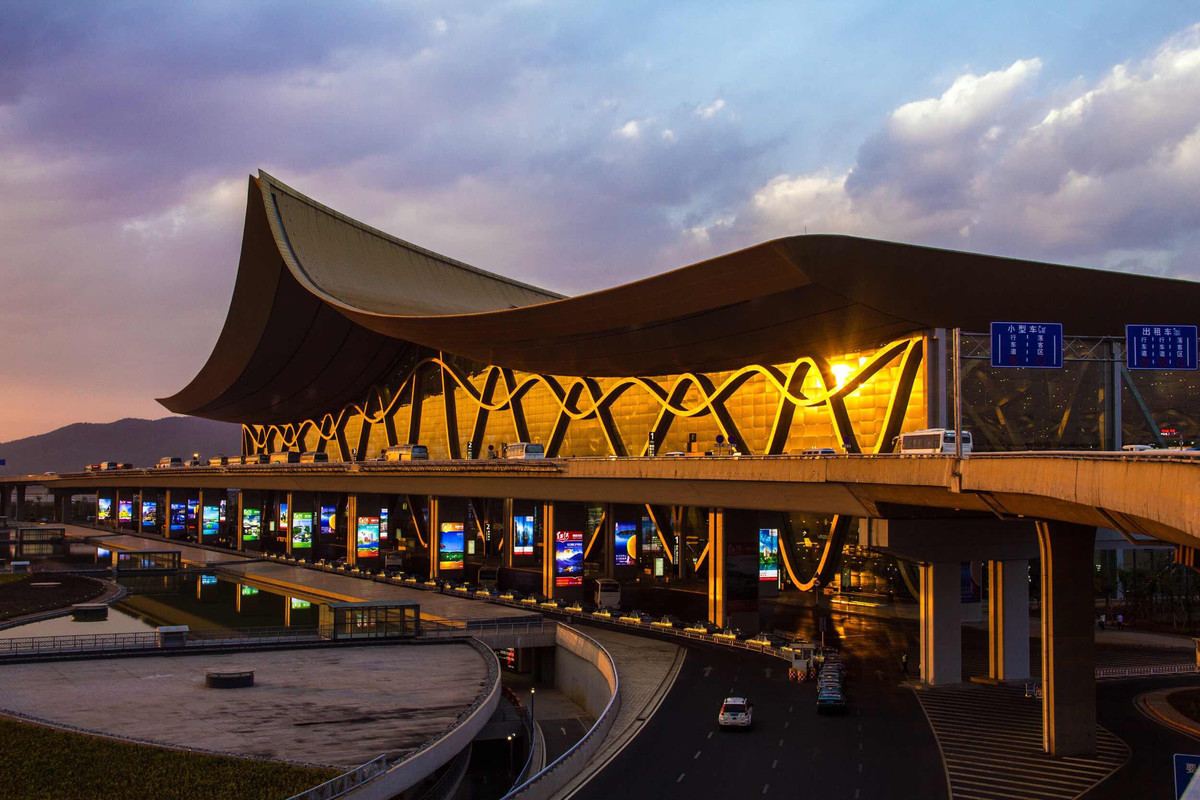
Why I almost missed my pickup last spring
Last March, I touched down at Kunming Changshui after a 12-hour flight from London, bleary-eyed and already mentally running through the Dali-Erhai lakeside loop I’d planned for three weeks. I’d booked a rental car weeks prior, fully expecting to walk straight out of T2 to the marked pickup bay I’d seen on old travel forums. Instead, a construction hoarding blocked the usual exit, and a detour sign sent me tramping 800 metres in the wrong direction, carry-on rolling behind me as the spring wind whipped fine red plateau dust into my eyes.
I’d forgotten that airport terminal upgrades shift access roads without much fanfare for incoming travellers. That 40-minute delay taught me a hard lesson: for Kunming airport car rental for foreigners, confirming your pickup location before you land isn’t a nice-to-have, it’s the first step to a smooth Yunnan trip.
How to lock in your pickup spot when roads shift
I stood there, dust in my throat, fumbling for my booking confirmation when I spotted a fellow traveller—an Aussie who’d also booked a car for the Yunnan route—staring at the same hoarding. We compared notes: he’d checked his pickup details 48 hours before landing, and the updated note said the pickup point had moved to the temporary bay outside T1’s west exit, not the original T2 curbside. I hadn’t. I’d trusted the generic listing photo from two years prior.
Here’s what I do now, every time I book for Yunnan self-drive rental for foreigners:
- 2 days before your flight: cross-check the pickup note on your booking. If it mentions a temporary bay, snap a screenshot of the map—airport Wi-Fi can be spotty right after landing, and you don’t want to hunt for signal while hauling bags.
- When you exit customs: look for the clearly marked temporary shuttle stop if the pickup is a short walk from the terminal. The shuttle runs every 10 minutes during peak arrival hours, and it’s free for rental car customers.
- On the day of pickup: if you can’t find the bay, head to the airport’s information desk. They keep updated lists of temporary rental pickup locations during construction—no need to fumble with international roaming data to call ahead.
That Aussie and I ended up sharing the shuttle to the temporary bay. We laughed about how we’d both almost wandered into the construction zone before we caught the detour sign. It’s a small thing, but it saved us both hours of frustration.
What I wish I’d known about rental basics before my first Yunnan trip
When I booked my first Yunnan trip four years ago, I showed up with my UK licence and a vague idea of how rental worked here. I didn’t realise that for Dali Lijiang car rental for foreigners, you need a China temporary driving licence arranged in advance—you can’t just show up with your home licence and drive off the lot. It costs 1,500 RMB, and you don’t have to attend an in-person appointment to get it sorted, which is a relief when you’re juggling flight bookings and itinerary planning.
I’ve driven both the VW Lavida 1.5L and the Tank 300 2.0T on Yunnan’s roads, and here’s my honest take: the Lavida is perfect for the Kunming-Dali-Lijiang main route. It’s RMB 260 per day, with a 3,000 RMB rental deposit, and unlimited mileage—no need to stress about counting kilometres as you wind up the Erhai ring road. The Tank 300 is better if you’re planning to detour onto rougher mountain stretches, but it’s RMB 400 per day, has a 5,000 RMB deposit, and a 300 km per day limit. I once miscalculated the distance from Lijiang to Shangri-La in the Tank 300, and ended up paying extra for overage—my bad, but it taught me to map out daily distances before picking the vehicle.
One thing I always tell fellow travellers: the rental deposit is refunded 5-7 working days after you return the car, once a traffic-fine check is complete. Don’t panic if you don’t see the money back the day you drop the car off—it’s standard, not a scam.
Insurance and damage rules: what you don’t want to learn the hard way
Two years ago, I scraped the side of a Lavida on a narrow lane in Dali’s old town. The scratch was thin, didn’t go through the paint primer, and I fully expected to pay a small fee to fix it. Turns out, scratches that don’t damage the primer are free—no cost, no hassle. That was a lucky break.
I’ve since learned the rest of the rules, the easy way (and once the slightly hard way):
- Insurance includes both compulsory and commercial cover, so you don’t have to sort out extra policies on the spot.
- Minor scratches under 1,500 RMB are paid by you. If damage goes above that threshold, it goes through insurance, and you cover 30% of the cost.
- No downtime or depreciation charges for paintwork or replaced parts—this is a big plus, because some rental agencies in other regions hit you with extra fees for even minor paint repairs. Downtime is waived within 5 days for major damage, too.
- If the car breaks down for a mechanical reason, the rental provider covers it. If you cause the breakdown (like stalling the engine on a steep mountain pass, which I once did), towing costs come out of your pocket.
Last year, a friend booked a one-way rental: picked up in Kunming, dropped off in Lijiang. That one-way return fee is 1,500 RMB, which is worth it if you don’t want to backtrack 500 km. He also had to cancel his original booking two weeks before his trip due to a family emergency—turns out the 600 RMB booking deposit is non-refundable for personal cancellations. He knew that going in, so he wasn’t caught off guard, but it’s a detail people often miss when they’re scanning booking listings.
Pickup and return: the small checks that save you hassle
I’ve got a routine now when I pick up a car at Kunming airport, even when construction is shifting the bays. First, I walk around the whole car with the rental agent, taking photos of every existing scratch—even the tiny ones on the bumper. Last trip, I spotted a tiny chip on the windscreen that the agent almost missed; if I hadn’t documented it, I might have been on the hook for it at return.
When you return the car, do the same walkaround. I once returned a car to the Lijiang city office, and the agent pointed out a scratch I’d missed on the rear wheel arch. We checked the photos I’d taken at pickup, and it was already there—no charge. It takes 10 minutes, but it saves you hours of arguing later.
If you’re planning to drive to Shangri-La, remember the altitude shifts. The Lavida handles the winding roads from Lijiang up to the pass just fine, but take it slow on the sharp bends—local drivers zip around them fast, but as a foreign driver, you’re not used to the narrow lanes and sudden elevation changes. I’d rather take an extra hour on the road than rush and end up in a scrape.
A quick note for first-time Yunnan self-drivers
Yunnan’s roads are stunning, but they’re not like the motorways back home. The Erhai ring road is smooth, but the mountain passes have hairpin turns, and parking in Dali old town is a nightmare on weekends. Book your parking spot ahead if you’re staying overnight in the old town—trust me, I’ve circled the block three times before finding a spot.
Terminal construction at Kunming airport will come and go, but the core rule stays the same: confirm your pickup location before you land. It’s not glamorous, but it’s the difference between starting your trip with a calm drive to Dali, or tramping through dust in the wrong direction while your luggage feels heavier by the minute.